
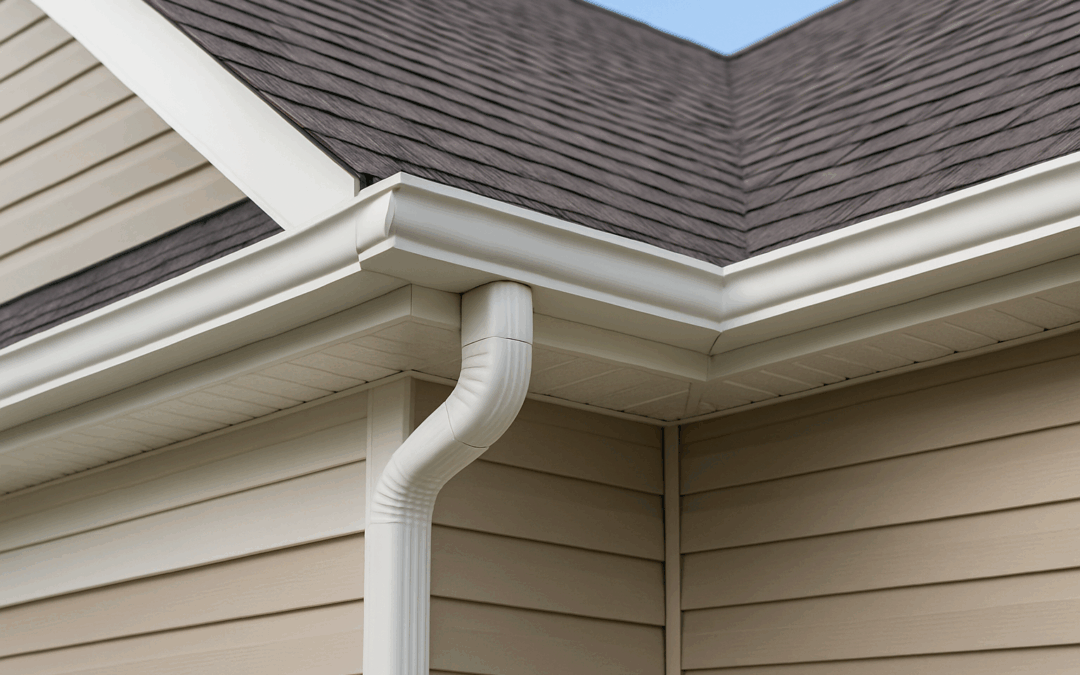
For Memphis, Tennessee homeowners managing the long-term upkeep of their home’s exterior, few decisions are more practically consequential — or more frequently deferred — than determining whether a deteriorating gutter system needs repair or full replacement. Gutters that are sagging, leaking, pulling away from the fascia, or overflowing during rainfall are communicating a problem, but the nature and severity of that problem determine whether targeted repair can restore adequate performance or whether replacement is the more practical and cost-effective long-term answer. Tiger Gutters recognizes that Memphis-area homeowners benefit from a clear, detailed understanding of the factors that distinguish repairable gutter problems from those that indicate replacement is the more appropriate response — and how Memphis’s specific climate conditions accelerate gutter deterioration in ways that affect this evaluation.
Why Memphis’s Climate Accelerates Gutter Wear
Before examining the specific signs that distinguish repair from replacement candidates, it is important to understand why Memphis’s climate creates gutter deterioration conditions that are more demanding than in many other regions. Memphis receives approximately 54 inches of annual rainfall — among the highest in the mid-South — delivered in part through intense spring thunderstorms and summer Gulf moisture events that subject gutter systems to high-volume, high-velocity water flow on a regular basis. This sustained water volume loading accelerates the deterioration of sealants, joint connections, and fasteners that hold the gutter system together.
Memphis’s high ambient humidity — regularly exceeding 70 to 80 percent during summer months — means that any moisture reaching wood fascia boards through gutter system failures remains present longer and causes biological deterioration faster than in drier climates. Once fascia boards soften from chronic moisture exposure, they lose their ability to hold gutter fasteners securely, and a gutter system that is structurally sound in its channels and joints may nonetheless fail because its mounting foundation has been compromised by moisture it allowed to reach the fascia.
The city’s diverse and abundant tree canopy — sweetgums, pecans, oaks, maples, and numerous ornamental species throughout Midtown and East Memphis neighborhoods — produces organic debris throughout multiple seasons that accelerates corrosion of metal components, acidifies standing water retained in blocked channels, and contributes to the chronic overflow conditions that subject fascia and soffit to repeated moisture exposure. Understanding these Memphis-specific deterioration mechanisms helps homeowners evaluate gutter conditions in the context of what their local climate has been delivering to those components over time.
Signs That Gutter Repair May Be Sufficient
Not every gutter problem requires full replacement. Several common gutter issues are legitimately addressable through targeted repair when the overall system is in otherwise sound condition.
Isolated Leaking Joints or Seams: Sealant at mitered corners, end caps, and outlet connections hardens and cracks over time, particularly in Memphis’s climate where summer heat cycles accelerate sealant degradation. When leaking is confined to one or two specific joint locations and the gutter channel itself is sound — not corroded, cracked, or deformed — resealing those joints with appropriate gutter sealant is a legitimate repair that restores function without requiring full replacement.
Loose or Missing Hangers: Gutter hangers that have pulled from the fascia, leaving sections of gutter sagging away from the roofline, can sometimes be reattached if the fascia board itself remains structurally sound. Replacing individual hangers with longer fasteners that engage fresh wood behind the original fastener locations can restore secure attachment in cases where the fascia is not significantly deteriorated. When hanger failure is isolated to a few locations in an otherwise well-attached system, hanger repair is an appropriate targeted response.
Minor Pitch Corrections: Gutter sections that have lost their slight downward slope toward the downspout outlet — visible as areas where water pools rather than draining after rainfall — can sometimes be corrected by adjusting existing hangers to restore appropriate slope without replacing the gutter channel. This repair is effective when the channel material itself is in sound condition and hanger adjustment can achieve adequate slope without requiring new hanger locations that stress already-compromised fascia.
Small Cracks or Holes: Very small holes or hairline cracks in otherwise sound gutter channel material can be patched with appropriate metal flashing and sealant as a targeted repair when the surrounding material is not corroded, thinning, or otherwise compromised. Patch repairs on isolated damage in sound material can restore function, though they require the patch material and application method to be appropriate for the specific gutter material.
Downspout Issues: Downspout blockages, separated joints, and damaged elbows are generally repairable or replaceable as components without requiring full gutter system replacement. Downspout component replacement is a targeted and cost-effective response when the gutter channel itself is sound.
Signs That Replacement Is the More Appropriate Response
Several conditions indicate that repair is unlikely to provide durable, cost-effective results and that full replacement is the more appropriate long-term answer.
Multiple Simultaneous Failure Points: When a gutter system exhibits leaking at numerous joint locations, sagging at multiple sections, and hanger failures across the run simultaneously, it has reached a stage of general deterioration where individual repairs address symptoms without resolving the underlying condition. Repairing five joints in a 40-foot run that will develop two more leaking joints the following season produces cumulative repair costs that exceed replacement cost over a relatively short period while leaving the homeowner with a system that continues to underperform between repairs.
Corroded or Thinned Channel Material: Aluminum gutter material that has thinned through corrosion — visible as pitting, surface oxidation, and eventually small holes developing through the channel bottom or back wall — has reached end of functional life. In Memphis’s climate, where organic acid water from decomposing debris accelerates aluminum corrosion in gutters that are infrequently cleaned, corrosion can progress faster than homeowners realize. Corroded channel material cannot be durably patched because the surrounding material continues to thin, and replacement is the appropriate response.
Fascia Deterioration Requiring Gutter Removal: When fascia boards have deteriorated to the point that they require replacement, removing the existing gutter system is necessary to access and replace the fascia. In this situation, reinstalling old gutters over new fascia is generally inadvisable — old gutters with existing sealing failures, hanger wear, and material degradation will continue deteriorating on the new fascia, potentially beginning the cycle of fascia moisture damage that new fascia represents an opportunity to interrupt. Combining fascia replacement with new gutter installation provides a complete roofline system restoration.
Persistent Overflow Despite Clean, Properly Sloped Gutters: When gutters that are clean, properly sloped, and free of visible damage continue to overflow during moderate rainfall events, the system may have profile or sizing inadequacies relative to the roof drainage area it serves. Sectional aluminum gutters installed decades ago in smaller standard profiles may be undersized relative to current understanding of appropriate sizing for the roof area they serve and Memphis’s rainfall intensity. In these situations, replacement with appropriately sized gutters — often 6-inch K-style profile rather than the 5-inch profiles common in older installations — addresses a design limitation that repair cannot resolve.
Gutter Sections Separating from Each Other: Sectional gutters — gutters assembled from standard lengths with overlapping joints — that have developed separation at multiple section joints represent a system where the joint integrity throughout the run has failed. Re-sealing every joint in a long sectional gutter run is labor-intensive, and the underlying cause — gutter age, thermal cycling fatigue, and sealant end-of-life throughout the system — means re-sealed joints will fail again on a similar timeline. Seamless gutter replacement eliminates the joint frequency that makes sectional gutter systems progressively more maintenance-demanding as they age.
Age and General Deterioration: Aluminum gutter systems have typical service lives of 20 to 30 years under normal conditions in moderate climates — and shorter lives in Memphis’s more demanding environment of high rainfall volume, frequent storm intensity, high humidity, heavy debris loading, and temperature cycling. A gutter system approaching or exceeding this age range that is beginning to show multiple signs of wear has served its designed service life, and continued repair investment is unlikely to extend its useful service significantly compared to the cost of replacement with a new system.
The Case for Seamless Gutters in Memphis Replacements
When replacement is the appropriate decision for a Memphis home, seamless aluminum gutters — formed on-site from continuous coil stock to the exact lengths of each roof run — offer meaningful advantages over sectional gutter replacement. Seamless gutters eliminate the numerous joints throughout the run where sectional gutters are most vulnerable to leaking, reducing future maintenance demands substantially. They are formed to the precise dimensions of each run, eliminating the fit and alignment compromises that sectional installation sometimes produces. In Memphis’s climate, where the combination of rainfall volume, debris loading, and thermal cycling that causes sectional gutter joint failures is persistent, the reduction in joint frequency that seamless gutters provide translates directly to reduced future maintenance and longer reliable service.
Conclusion
Understanding when gutter repair can restore adequate performance and when replacement is the more practical and durable long-term answer is valuable knowledge for every Memphis, Tennessee homeowner managing a home’s exterior. Tiger Gutters recognizes that Memphis’s specific climate conditions — high annual rainfall, intense storm events, persistent humidity, heavy debris loading, and temperature cycling — accelerate gutter deterioration in ways that affect both the timeline and the repair-versus-replacement calculus for Memphis homes. Recognizing the specific signs that distinguish repairable isolated problems from general system deterioration requiring replacement helps homeowners make informed decisions that protect their homes effectively and invest their maintenance budgets where they produce the most durable long-term results.