
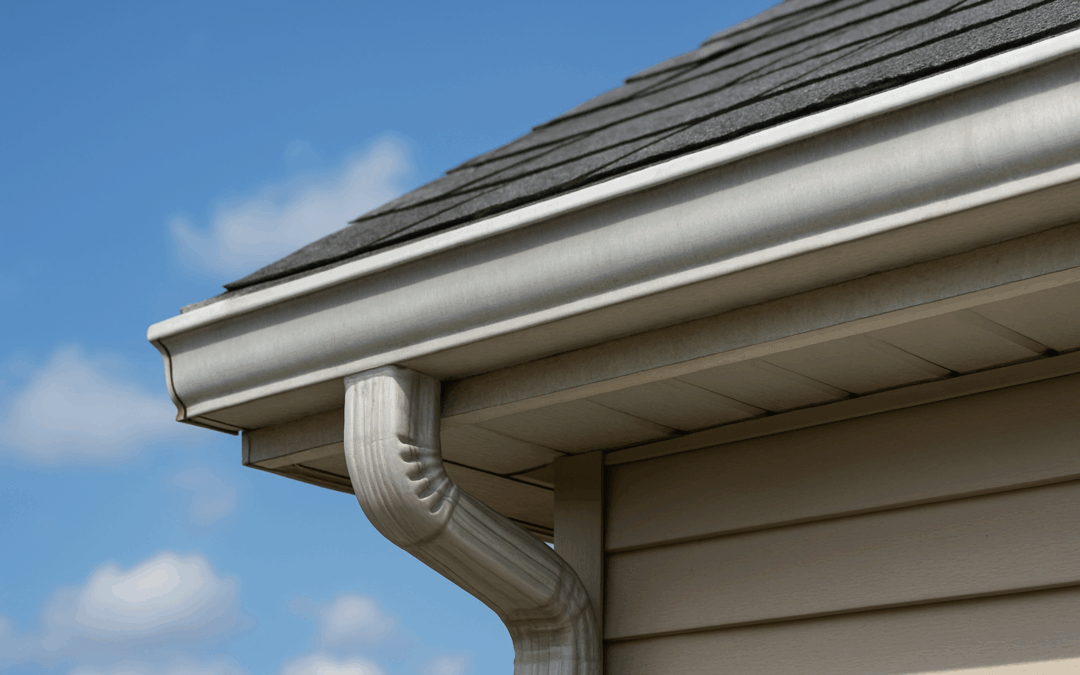
Summer in Memphis, Tennessee is not a quiet season for residential gutter systems. While many homeowners associate gutter maintenance with autumn leaf fall or spring cleaning, the summer months in Memphis deliver some of the year’s most demanding conditions for gutter performance — intense thunderstorms capable of dumping inches of rain in a single hour, high heat that degrades gutter sealants and coatings, Gulf moisture events that drench the city for extended periods, and a tree canopy that continues contributing organic debris to gutters well beyond the spring pollen season. Tiger Gutters recognizes that Memphis homeowners benefit from a detailed understanding of why summer is an active and important season for gutter maintenance, what specific summer conditions affect gutter performance, and what practical steps keep gutter systems performing effectively through the hottest and stormiest months of the Memphis calendar.
Memphis Summers: A High-Demand Season for Gutters
Memphis sits at a geographic intersection that makes its summer weather profile uniquely demanding for residential gutter systems. The city’s position along the Mississippi River lowlands, combined with its exposure to Gulf of Mexico moisture surges and mid-continent convective activity, creates a summer climate characterized by high heat, extreme humidity, and storm events of considerable intensity.
Memphis receives significant summer rainfall through two primary mechanisms. Gulf moisture surges — episodes where warm, humid air from the Gulf of Mexico streams northward into the mid-South — bring extended periods of heavy rainfall that can last days and deposit several inches of rain across the metropolitan area. Convective thunderstorms — formed by the instability created when intense summer surface heating meets the abundant moisture in Memphis’s summer atmosphere — produce shorter but often more intense rainfall events, with rainfall rates that can reach two or more inches per hour during the most active cells.
These summer storm patterns mean that Memphis gutters face high-intensity water management demands from June through September — not just in spring. A gutter system that is partially blocked from spring pollen and seed debris, or one with sealant failures that developed during summer’s thermal cycling, encounters these storms in a compromised condition that produces the fascia damage, foundation moisture problems, and overflow events that inadequate gutter performance causes.
Heat and Its Direct Effects on Gutter System Materials
Memphis summers are intensely hot. Average high temperatures in July and August regularly reach the mid-to-upper 90s Fahrenheit, and the urban heat island effect in Memphis’s denser neighborhoods pushes actual surface temperatures on south and west-facing gutter runs considerably higher. This heat has direct and measurable effects on gutter system components that homeowners benefit from understanding.
Sealant Degradation: The compounds used to seal gutter joints — at mitered corners, end caps, and outlet connections — are polymer-based materials that undergo progressive hardening when subjected to sustained heat and UV radiation. Memphis’s summer heat, combined with the intense UV radiation of long summer days, accelerates this hardening process, causing sealants that were flexible and watertight in cooler conditions to become brittle and prone to cracking. Sealants that crack during summer create joint leaks that remain invisible until a storm delivers water volume sufficient to make the leak apparent — often during exactly the kind of intense summer storm when adequate gutter drainage matters most.
Thermal Expansion of Gutter Runs: Aluminum gutter runs expand linearly with heat. A 40-foot aluminum gutter run can expand by a quarter inch or more between a cool morning and the peak heat of a Memphis summer afternoon. This daily thermal cycling — expansion during the heat of the day and contraction during cooler nights — creates cumulative stress at hanger attachment points, at joints where sections connect, and at the end caps that terminate gutter runs. Over a Memphis summer, this cycling contributes to the loosening of hanger fasteners and the progressive fatigue of sealant at connection points throughout the gutter system.
UV Degradation of Exterior Coatings: The paint and protective coating on aluminum gutters shields the metal from direct UV exposure and oxidation. Memphis’s intense summer UV radiation degrades this coating over time, causing color fading, chalking, and eventually surface breakdown that exposes the aluminum beneath to direct oxidation. While this process is gradual, it represents an ongoing reduction in the corrosion protection that gutters depend on for long service life.
Vinyl Component Softening: Homes with vinyl gutter components or vinyl downspouts may notice that extreme Memphis summer heat can cause some softening and dimensional change in vinyl materials, particularly in south and west-facing runs receiving maximum solar exposure. Vinyl end caps and outlet fittings subjected to prolonged intense heat may develop a loosened fit that creates leak paths not present in cooler temperatures.
Summer Debris: Memphis’s Gutter Filling Season Doesn’t Stop in Spring
One of the most important summer gutter maintenance insights for Memphis homeowners is that debris loading does not pause between the spring pollen season and autumn leaf fall. Memphis’s tree canopy — among the most diverse in the mid-South, featuring sweetgums, pecans, oaks, maples, tulip poplars, and dozens of ornamental species throughout Midtown, East Memphis, and Germantown — produces organic material continuously through the summer months.
Summer thunderstorms are particularly effective at depositing debris into gutters. High winds preceding and during storm cells break small branches, tear off leaves, and deposit diverse organic material across rooftops and into gutter channels. A single significant summer storm can fill gutter sections that were recently cleared with a fresh layer of leaves, small twigs, seed material, and wind-deposited organic debris. This storm-deposited debris then sits in gutters that are warm and humid — ideal conditions for rapid decomposition, biological growth, and the organic acid production that accelerates aluminum corrosion.
Homeowners who cleaned gutters in spring and plan to leave them unattended until autumn may find that summer storm activity has created meaningful debris accumulations by midsummer — accumulations that reduce gutter drainage capacity precisely as summer’s most intense storm events arrive.
The Consequences of Summer Gutter Neglect in Memphis
Foundation Saturation During Peak Rainfall: Memphis receives some of its highest-intensity rainfall during summer thunderstorm events. Gutters blocked by summer debris accumulation overflow during these events, depositing concentrated roof surface runoff directly at the foundation perimeter. Memphis’s clay-heavy soils absorb this water and expand — the shrink-swell behavior that creates foundation movement stress over time with repeated saturation cycles. Summer foundation saturation from overflowing gutters is a direct consequence of debris accumulation that adequate summer maintenance prevents.
Fascia Deterioration in Peak Biological Activity Season: Memphis’s summer heat and humidity create peak conditions for the biological deterioration of wood components. Fascia boards that receive chronic moisture from overflowing gutters or leaking joint sealants during summer are exposed to moisture in precisely the conditions where wood-deteriorating organisms are most active. Rot that develops in fascia during summer months can advance significantly before cooler fall temperatures slow biological activity, meaning summer gutter leaks and overflow have disproportionate consequences for fascia integrity compared to equivalent moisture exposure in winter.
Mosquito Breeding in Standing Water: Memphis’s summer climate makes standing water a significant public health concern from a mosquito breeding standpoint. Gutters blocked by debris and retaining standing water after summer rainfalls create prime mosquito breeding habitat along the roofline of the home. This is a summer-specific consequence of gutter debris accumulation that is unique to warm-season months and directly relevant to Memphis’s well-documented summer mosquito activity.
Mold and Algae Growth in Gutters: Warm temperatures and sustained moisture from blocked gutters create ideal conditions for algae, mold, and moss growth within gutter channels. These biological growths add to debris accumulation, further restrict drainage, and can stain exterior surfaces below the gutter with streaks and biological deposits that are difficult to remove once established.
Summer Gutter Inspection Checklist for Memphis Homeowners
A practical summer gutter inspection covers several key areas that Memphis’s specific warm-season conditions affect:
After Major Storm Events: Following significant summer thunderstorms, a visual inspection from ground level can identify obvious debris accumulation in gutters, any sections pulling away from the fascia, and downspout outlets that may have been blocked by storm-deposited material. Large debris accumulations visible from ground level after major storms benefit from prompt clearing before the next storm event arrives.
Joint and Sealant Condition: During dry periods, a closer inspection of gutter joint areas — particularly mitered corners, end caps, and downspout outlet connections — can reveal sealant that has cracked or dried out during summer heat. Visible sealant cracking, gaps at joints, or water staining on fascia below joint locations are indicators of sealant failure that benefits from resealing before the next major rainfall.
Downspout Flow Confirmation: Running water from a garden hose into gutter sections and confirming that it flows freely through downspouts and exits at ground level confirms that downspout channels are unobstructed. Slow drainage or water backing up in the gutter during this test indicates a downspout blockage that requires clearing.
Fascia Condition Check: Summer provides the dry conditions ideal for inspecting fascia boards for signs of moisture damage. Soft spots, discoloration, peeling paint, or visible biological growth on fascia indicate moisture exposure from gutter issues that should be identified and addressed before continuing deterioration compromises fascia structural integrity.
Extension and Discharge Positioning: Confirming that downspout extensions remain properly positioned — directing discharge away from the foundation — is a simple but easily overlooked summer check. Extensions displaced by spring yard cleanup, lawn equipment, or soil movement during spring rainfall may be directing summer storm discharge toward the foundation rather than away from it.
Mid-Summer Cleaning Considerations
For Memphis homes with significant tree canopy coverage, a mid-summer gutter cleaning — separate from the pre-spring and post-leaf fall cleanings that form the baseline maintenance calendar — addresses the storm-deposited debris accumulation that summer thunderstorm activity delivers between spring and autumn. Homes beneath large sweetgums, pecans, or maples are particularly likely to benefit from mid-summer cleaning because these species produce summer debris actively and their organic material decomposes rapidly in Memphis’s warm, humid conditions, creating compacted deposits that reduce drainage capacity progressively through the season.
Conclusion
Summer is an active, demanding, and consequential season for residential gutter systems in Memphis, Tennessee. The combination of intense Gulf moisture events and convective thunderstorms delivering peak rainfall rates, heat and UV radiation degrading sealants and coatings, continuous organic debris loading from the city’s diverse tree canopy, and the biological deterioration conditions that Memphis’s summer heat and humidity create makes summer gutter maintenance a meaningful investment in the protection of every Memphis home. Tiger Gutters recognizes that Memphis homeowners who understand summer’s specific gutter demands — and who maintain their systems through the warm season with the same attention they give to spring and autumn maintenance — are better positioned to protect their foundations, fascia, and rooflines from the consequences that Memphis’s demanding summer climate delivers to neglected gutter systems.