
Homeowners throughout Memphis, Tennessee, often focus on visible exterior elements like siding, roofing, and gutters, while overlooking equally important components hidden in plain sight. Wood soffit represents one such element that Tiger Gutters frequently discusses with Memphis-area property owners who are surprised to learn how significantly this architectural feature impacts their home’s health, appearance, and structural integrity. Understanding wood soffit—its purpose, vulnerabilities, and maintenance requirements—empowers homeowners to make informed decisions about their property’s exterior protection systems.
Defining Wood Soffit and Its Architectural Role
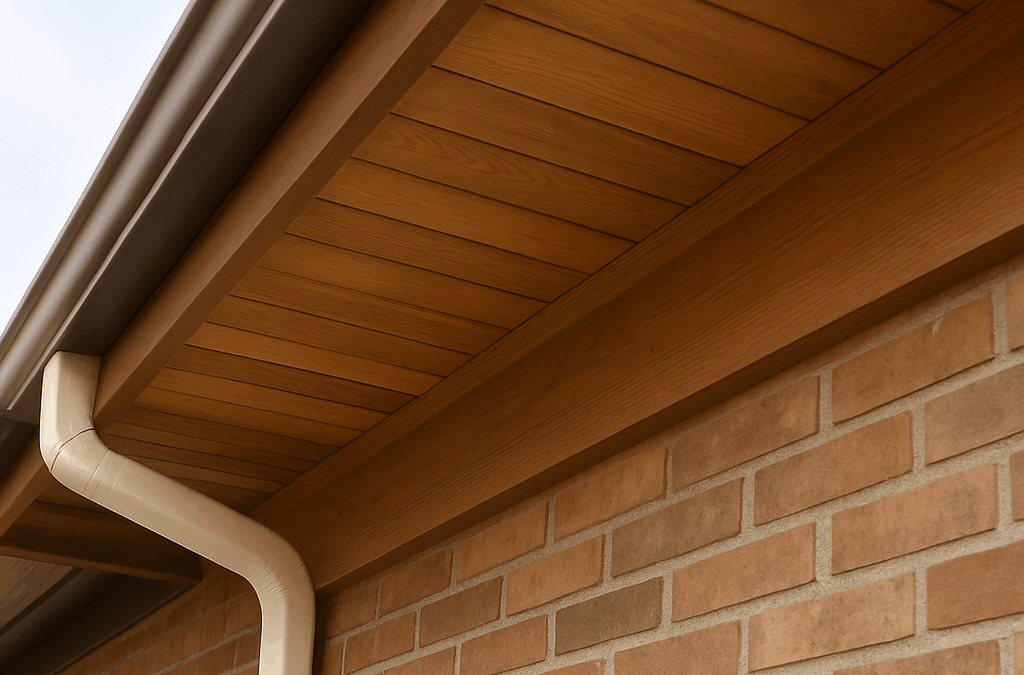
Soffit refers to the material covering the underside of any overhanging section of a roof’s eaves. When you stand near your home’s exterior and look up at the area where the roof extends beyond the walls, the horizontal surface you see spanning from the wall to the fascia board is the soffit. Wood soffit specifically describes this component when constructed from lumber materials, typically pine, cedar, redwood, or engineered wood products.
The architectural purpose of soffit extends beyond mere aesthetics, though appearance certainly matters. Soffit creates a finished look that conceals roof rafters and the underside of roof decking, presenting a clean, professional exterior. More importantly, soffit serves functional roles critical to home protection. It closes the gap between the exterior wall and the roof edge, preventing birds, squirrels, insects, and other pests from accessing attic spaces. Properly installed soffit also facilitates attic ventilation through perforated or vented sections that allow air circulation while blocking pest entry.
Wood soffit comes in various profiles and styles. Tongue-and-groove wood boards create traditional appearances popular in older Memphis homes. Plywood or engineered wood panels offer more economical installations. Some wood soffits feature decorative beadboard patterns or other design elements that enhance architectural character. The choice of wood type and style typically reflects the home’s age, architectural style, and the original builder’s preferences or budget.
Why Wood Soffit Matters in Memphis’s Climate
Memphis’s humid subtropical climate creates specific challenges for wood soffit installations. The region experiences hot, humid summers with average temperatures reaching the low 90s and relative humidity frequently exceeding 70%. These conditions promote moisture absorption in wood materials. Winters bring temperature fluctuations, precipitation, and freeze-thaw cycles that stress wood components. Annual rainfall averaging 54 inches means wood soffit faces frequent moisture exposure throughout the year.
Wood is hygroscopic, meaning it absorbs and releases moisture in response to environmental humidity levels. In Memphis’s humid climate, wood soffit constantly absorbs atmospheric moisture, causing the material to swell. When drier conditions arrive or air conditioning reduces indoor humidity, the wood releases moisture and contracts. This expansion-contraction cycling occurs repeatedly throughout the year, gradually degrading wood integrity, loosening fasteners, and creating gaps or cracks.
The combination of moisture and warmth creates ideal conditions for biological growth. Mold, mildew, and algae thrive on damp wood surfaces common in Memphis’s climate. These organisms discolor wood, creating unsightly black, green, or gray patches. More seriously, wood-decay fungi colonize moisture-saturated wood, breaking down cellular structure and causing rot. Once rot establishes itself, the deterioration accelerates, eventually compromising structural integrity.
Insect activity represents another climate-related concern for Memphis wood soffit. Carpenter bees bore into wood soffit to create nesting galleries, leaving perfectly round holes that compromise material integrity and allow water infiltration. Termites, prevalent throughout the Memphis area, can infest wood soffit if moisture damage creates conditions conducive to colony establishment. Wood-boring beetles and other insects similarly exploit vulnerable wood components.
Wood Soffit Maintenance Requirements
Preserving wood soffit requires ongoing maintenance addressing both protective coatings and underlying material condition. Regular inspection forms the foundation of effective maintenance. Memphis homeowners should examine soffit at least annually, looking for paint deterioration, discoloration, warping, pest activity, or any signs of moisture damage. Areas below gutters and downspouts deserve particular attention, as these locations experience the most water exposure.
Coating maintenance extends wood soffit lifespan significantly. Quality exterior paint or solid stain creates moisture barriers that prevent water absorption when properly maintained. Most coatings require renewal every 5-8 years depending on exposure, product quality, and application technique. Recoating involves cleaning surfaces thoroughly, scraping loose paint, priming bare wood, and applying finish coats according to manufacturer specifications.
Cleaning wood soffit removes biological growth and prevents permanent staining. Mild detergent solutions applied with soft brushes effectively remove mold, mildew, and dirt without damaging wood or coatings. Pressure washing requires caution—excessive pressure can damage wood fibers, drive water into seams, or strip paint. When pressure washing, use low pressure settings and wide spray patterns, working carefully to avoid forcing water into attic spaces through vents.
Ventilation maintenance ensures air circulates properly through vented soffit sections. Vents can become clogged with insect nests, dust, or paint during recoating projects. Blocked vents reduce attic ventilation, increasing heat and moisture buildup that can damage roof systems and promote wood rot. Periodically checking that soffit vents remain open and unobstructed supports overall home health.
Prompt repair of minor damage prevents major problems. Small cracks should be filled with appropriate wood fillers or caulks. Loose boards require refastening with corrosion-resistant fasteners. Early-stage rot can sometimes be treated with consolidants that harden remaining sound wood and filled to restore appearance, though significant rot typically requires replacement.
Wood Soffit Repair and Replacement Considerations
When wood soffit deterioration exceeds what maintenance and minor repairs can address, partial or complete replacement becomes necessary. Determining whether repair or replacement is appropriate depends on damage extent, material condition, and cost-effectiveness. Localized rot affecting just a few boards often makes targeted replacement sensible. Widespread deterioration throughout the soffit system typically warrants complete replacement.
Replacement projects require matching materials to existing installations or transitioning to alternative materials entirely. Finding wood products matching original soffit profiles can be challenging, particularly for older Memphis homes with custom millwork or discontinued products. Some homeowners choose replacement with modern materials like vinyl or aluminum soffit that offer superior weather resistance and minimal maintenance requirements, though this changes the home’s original character.
Professional installation ensures proper ventilation, adequate fastening, and correct flashing details that prevent future moisture problems. Soffit replacement often coordinates with other exterior projects like gutter installation, fascia repair, or roofing work, as these systems interconnect. Addressing all related components simultaneously provides comprehensive protection and can reduce overall project costs compared to sequential individual repairs.
Alternative Materials Comparison
Understanding wood soffit characteristics benefits from comparing them with alternative materials. Vinyl soffit offers exceptional weather resistance, requires no painting, and resists rot and insect damage. However, vinyl can become brittle with age, may crack on impact, and offers limited color options that cannot be changed through painting. Aluminum soffit provides durability, fire resistance, and long-term performance but costs more than vinyl and can dent. Fiber cement soffit combines wood-like appearance with superior weather resistance but weighs more and costs significantly more than wood.
Wood soffit, despite its maintenance requirements, offers aesthetic qualities and architectural authenticity that synthetic materials cannot perfectly replicate. For Memphis historic homes or properties where maintaining original character matters, properly maintained wood soffit preserves architectural integrity while modern alternatives might compromise historical accuracy.
Conclusion
Wood soffit represents more than decorative trim on Memphis, Tennessee homes—it serves critical protective and functional roles that impact overall building health. Tiger Gutters recognizes that Memphis homeowners who understand wood soffit’s purpose, vulnerability to regional climate conditions, and maintenance requirements can make better decisions about preserving this important architectural element. While wood soffit demands more attention than modern synthetic alternatives, proper maintenance, timely repairs, and informed replacement choices when necessary enable Memphis-area property owners to protect their homes while preserving the authentic character that wood components provide. Whether maintaining existing wood soffit or considering replacement options, knowledge about this essential exterior component supports wise stewardship of one of life’s most significant investments.