
When winter approaches in Memphis, Tennessee, homeowners often focus on heating systems and insulation, but one critical component frequently gets overlooked—the gutter system. Tiger Gutters has observed that many Memphis-area properties experience preventable damage each winter simply because gutters weren’t properly prepared for the season’s unique challenges. Understanding the importance of winter gutter maintenance can mean the difference between a safe, dry home and costly repairs.
Understanding Memphis Winter Weather Patterns
Memphis experiences a distinctive winter climate that creates specific challenges for gutter systems. Unlike regions with consistent freezing temperatures, Memphis winters fluctuate between cold snaps and mild periods, often with temperatures hovering around the freezing point. This freeze-thaw cycle is particularly destructive to gutters. When temperatures drop at night and rise during the day, water trapped in gutters repeatedly freezes and expands, then thaws and contracts. This constant movement can crack gutter seams, loosen fasteners, and cause significant structural damage over time.
The Mid-South region also receives considerable winter precipitation. While Memphis doesn’t typically experience heavy snow, ice storms are a legitimate concern. Freezing rain can accumulate in gutters, creating ice dams that prevent proper drainage. Additionally, winter storms often bring heavy rainfall that tests gutter capacity when leaves and debris have been accumulating since fall.
Why Pre-Winter Gutter Maintenance Matters
Gutter systems serve one fundamental purpose: directing water away from your home’s foundation, walls, and roof. During winter, this function becomes even more critical. When gutters are clogged with leaves, twigs, and debris from Memphis’s many oak, maple, and sweetgum trees, water cannot flow properly. Instead, it pools, freezes, and creates ice formations that add tremendous weight to gutter systems not designed to bear such loads.
A typical five-inch gutter filled with ice can weigh approximately 25 pounds per linear foot. For a home with 100 feet of gutters, that’s an additional 2,500 pounds of stress on fasteners and supports. This excessive weight can pull gutters away from the fascia board, damage roof edges, and in severe cases, cause entire sections to collapse.
Beyond structural concerns, improperly maintained gutters create pathways for water infiltration. When ice dams form, melting snow has nowhere to go except backward under roof shingles. This water can seep into attic spaces, saturate insulation, damage ceilings, and promote mold growth—all issues that may not become apparent until significant damage has occurred.
The Inspection Process
Before winter weather arrives in earnest, a thorough gutter inspection identifies potential problems. This examination should encompass several key areas. First, check for debris accumulation. Even small amounts of leaves and sediment can create blockages when combined with ice. The downspouts deserve particular attention, as clogs often form in these vertical sections where debris compresses.
Second, examine the structural integrity of the gutter system. Look for sections that sag or pull away from the house, which indicates weakened fasteners or damaged hangers. Check seams and joints for separation or cracks where water might leak. In Memphis’s freeze-thaw conditions, even minor gaps can expand dramatically as ice forms.
Third, assess the pitch or slope of your gutters. Gutters should angle slightly toward downspouts to facilitate drainage. Over time, settling, loose hangers, or damage can alter this pitch, creating low spots where water pools. These depressions become prime locations for ice formation during winter.
Common Winter Gutter Problems in the Memphis Area
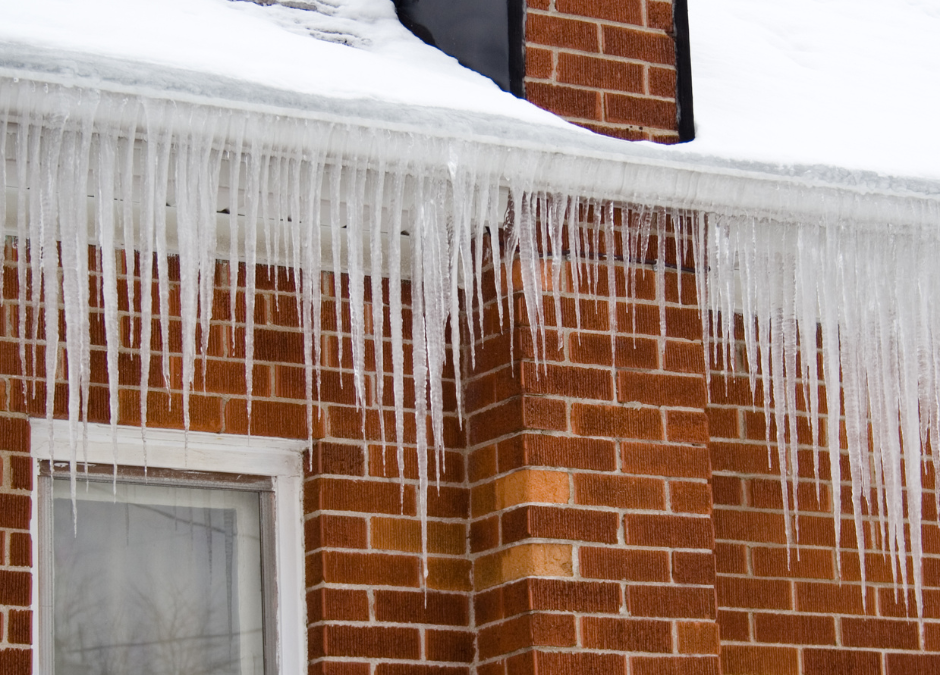
Ice dams represent one of the most serious winter gutter issues. These ridges of ice form at roof edges when heat escaping through the roof melts snow, which then refreezes at the colder eave overhang. Once established, ice dams prevent melting snow from draining properly, forcing water under shingles and into the home.
Icicle formation, while picturesque, signals potential problems. Large icicles indicate water is flowing over gutter edges rather than through the system, suggesting blockages exist. The weight of substantial icicles can also damage gutters and pose safety hazards to people and property below.
Frozen downspouts completely halt drainage, causing water to back up into gutters and potentially overflow. In Memphis, where winter rainstorms can be intense, even a temporarily frozen downspout during a cold night can create problems when rain arrives.
The Role of Gutter Guards
Gutter protection systems can significantly reduce winter maintenance requirements. These devices prevent debris from entering gutters while allowing water to flow through. For Memphis homeowners, gutter guards offer particular advantages during fall when trees shed leaves profusely. By keeping gutters clear, these systems reduce ice dam formation and minimize the weight load on gutters during freezing conditions.
However, gutter guards aren’t maintenance-free. They require periodic inspection to ensure they haven’t been damaged or displaced by storms, and some designs can accumulate small debris that eventually restricts water flow. Understanding the type of protection system installed helps homeowners maintain it properly.
Preventive Measures for Winter Protection
Several proactive steps help prepare gutters for winter. Cleaning gutters and downspouts thoroughly before the first freeze removes debris that could trap water and form ice. This task proves most effective after trees have dropped their leaves but before sustained freezing temperatures arrive—typically late November in Memphis.
Checking and tightening gutter fasteners ensures the system can handle additional winter weight. Loose hangers should be secured or replaced, and sagging sections should be adjusted to restore proper pitch. Sealing small leaks and gaps prevents water infiltration that can worsen when temperatures drop.
Ensuring downspouts direct water at least five feet away from foundations prevents basement flooding and foundation issues. Extensions and splash blocks accomplish this goal, though they must be positioned correctly to remain effective during winter storms.
Long-Term Considerations
Gutter maintenance isn’t merely a seasonal task but part of ongoing home care. Memphis’s climate subjects gutters to year-round stress from summer heat, fall debris, winter freeze-thaw cycles, and spring storms. Regular attention to these systems extends their lifespan and prevents emergency repairs.
Different gutter materials respond differently to winter conditions. Aluminum gutters resist rust but can become brittle in extreme cold. Vinyl gutters are affordable but may crack when ice expands within them. Copper gutters offer excellent durability but require significant investment. Understanding your specific gutter type helps inform maintenance approaches.
Conclusion
For Memphis homeowners, winter gutter maintenance represents an essential aspect of property protection. The unique climate challenges in the Mid-South—freeze-thaw cycles, ice storms, and variable temperatures—demand attention to gutter systems before winter weather arrives. Tiger Gutters recognizes that informed homeowners who understand these seasonal challenges can make better decisions about their property maintenance priorities. By addressing gutter issues proactively, Memphis-area residents protect their homes from water damage, structural problems, and costly repairs that result from winter neglect. The investment of time and attention before winter pays dividends in home protection throughout the season and beyond.