
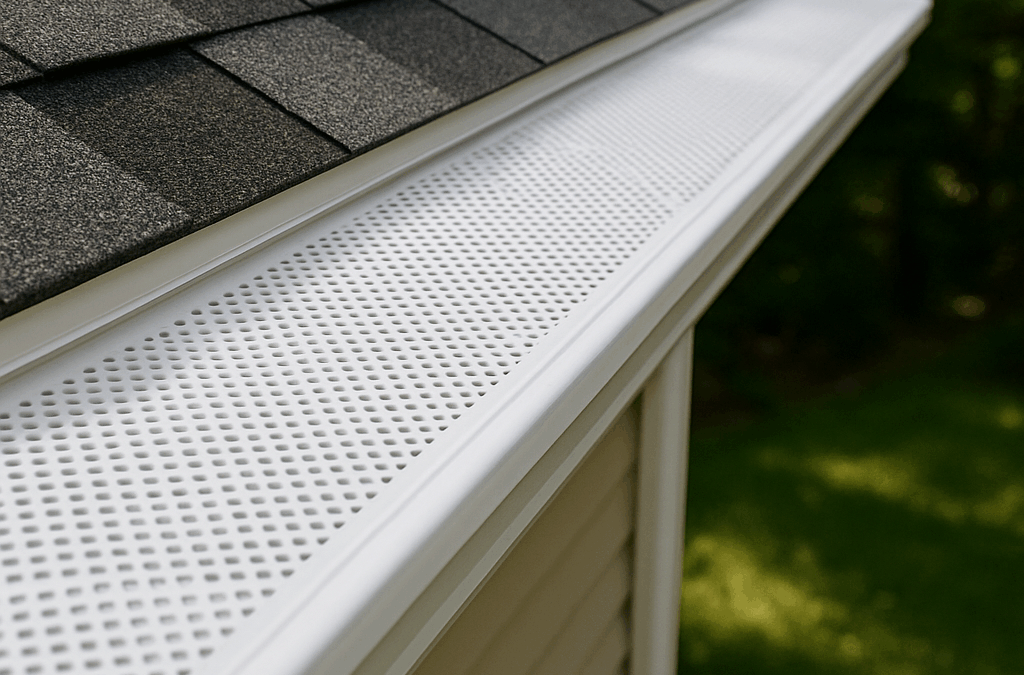
Gutter guards are an increasingly common tool for homeowners seeking to reduce gutter maintenance and protect their properties from water-related damage. This long-form, informational guide from Tiger Gutters in Memphis, TN, explains what gutter guards are, the different types available, why they matter in the Memphis climate, the advantages and limitations of each option, and practical maintenance advice homeowners can use to make informed decisions.
Introduction
Gutter guards are devices or covers installed over or inside gutters to reduce the amount of debris—such as leaves, twigs, and other organic material—that can enter and clog a gutter system. Tiger Gutters, operating in Memphis, TN, presents this educational overview to help local homeowners understand how gutter guards work, how they interact with local weather patterns, and what to expect in terms of maintenance and performance.
What Are Gutter Guards?
Gutter guards come in many forms but share the same objective: to prevent large debris from entering the gutter channel while allowing rainwater to flow freely toward downspouts. They range from simple screens to engineered micro-mesh systems and full hood covers. Materials commonly used include aluminum, stainless steel, plastic, and foam inserts. Each style offers different trade-offs in cost, effectiveness, and maintenance requirements.
Why Gutter Guards Matter in Memphis
Memphis has a humid subtropical climate with heavy spring and summer storms, high humidity, and abundant tree cover in many neighborhoods. These conditions cause rapid accumulation of leaves, pollen, and organic detritus in gutters. Frequent storms can then drive that debris into downspouts, increasing the risk of overflow, foundation pooling, or interior water intrusion. Gutter guards can reduce the frequency of clogs and lower the risk of water-related damage when correctly selected and maintained.
Types of Gutter Guards and How They Work
- Screen Guards: Often made from metal or plastic, screens sit on top of the gutter and block larger debris. They are inexpensive and easy to install but can allow smaller particles (shingle grit, seed pods) through.
- Mesh / Micro-Mesh Guards: Finer than standard screens, micro-mesh traps small particles while permitting water to pass through. They are effective in areas with fine debris but may be more expensive.
- Reverse Curve / Surface Tension (Hood) Guards: These direct water over a curved surface into the gutter while allowing leaves to fall off the edge. They work well in heavy rain but can be susceptible to clogging at the lip and may not handle heavy, fast-flowing storms as efficiently without proper sizing.
- Foam Inserts: These sit inside the gutter and let water flow through the foam while blocking leaves. They are affordable but can retain debris on top and may host mold or algae in humid climates.
- Brush Guards: Cylindrical brush inserts prevent large debris from entering. They are simple but require frequent removal and cleaning, especially in regions with fine organic matter.
- Closed (Solid) Covers: These create a fully covered gutter system with a narrow slot or micro opening. When properly designed, they can be very low-maintenance but must be professionally sized and installed to avoid overflow in heavy downpours.
Benefits of Gutter Guards
- Reduced cleaning frequency: Guards limit the volume of debris, cutting down on how often you need to clean gutters.
- Lower risk of clogs and overflow: Properly selected guards can reduce backups that lead to water intrusion and foundation problems.
- Safer maintenance: Less frequent ladder work reduces risk for homeowners who clean gutters themselves.
- Extended gutter lifespan: By minimizing standing debris and moisture, guards can help reduce corrosion and reduce biological growth that degrades materials.
Risks, Limitations, and Considerations
- No system is maintenance-free: Even the best guards require periodic checks and clearing of trapped material.
- Performance varies by debris type: In Memphis, heavy pollen, shingle grit, and small seed pods can pass through coarse screens but be kept out by micro-mesh systems.
- Upfront cost vs. long-term savings: Some high-quality systems have significant initial cost. Homeowners should weigh reduced maintenance and potential damage prevention against price.
- Compatibility with roof type: Certain guards can cause issues with flat or low-slope roofs, or with roofs that shed large volumes of water quickly.
- Improper installation: Guards that allow water to overflow the gutter lip or trap water under shingles can cause more harm than good if not installed correctly.
Practical Knowledge and Maintenance Tips for Memphis Homeowners
- Choose the right type for local debris: For neighborhoods with fine pollen and seed pods, micro-mesh or fine-strainer options perform better than coarse screens.
- Inspect seasonally: Check guards in spring and fall, and after major storms, to remove accumulated surface debris and confirm secure attachments.
- Clean the roofline: Keeping tree limbs trimmed reduces the amount of debris reaching gutters and improves guard performance.
- Address downspouts: Ensure guards do not impede downspout flow, and consider adding strainers or cleanouts at the downspout inlet.
- Avoid DIY shortcuts that compromise performance: Improperly seated guards can trap water and debris against shingles—professional assessment is worth considering for complex roofs.
- Monitor water flow during a heavy rain: A quick test during a storm shows whether the guards are allowing proper flow or causing overflow.
Conclusion
Gutter guards can be a practical component of a comprehensive water-management strategy for Memphis homes, particularly in tree-lined neighborhoods prone to heavy pollen and storm-driven debris. Tiger Gutters in Memphis, TN, encourages homeowners to understand the differences between guard types, evaluate local debris characteristics, and plan for periodic maintenance. With informed choices and regular inspection, gutter guards can reduce maintenance demands and lower the risk of clog-related water damage in the Memphis climate.