
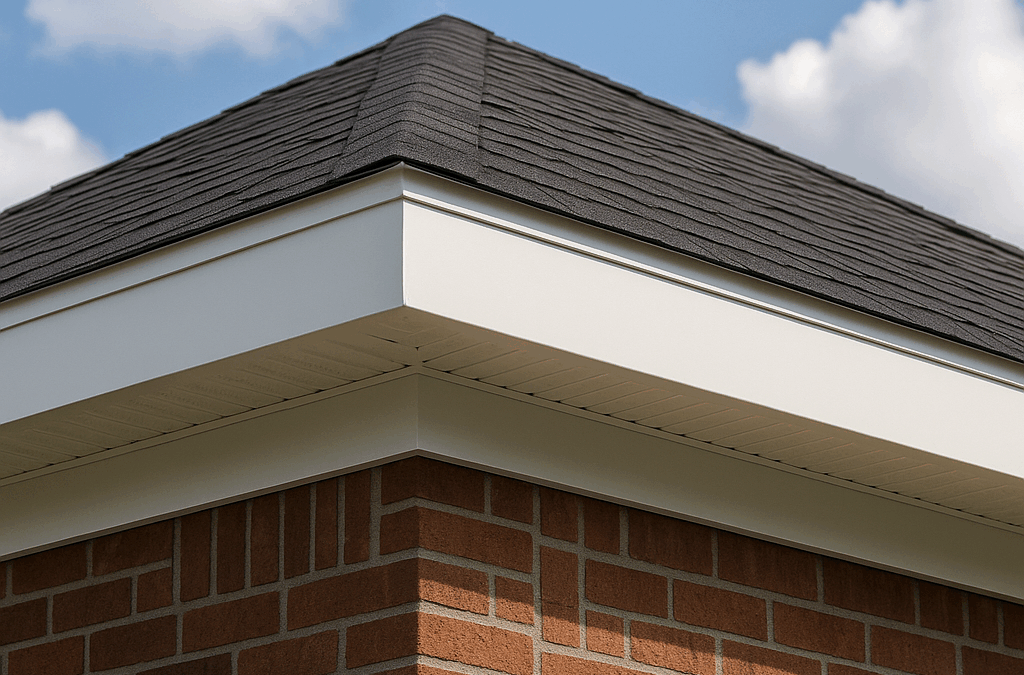
Wood soffits are a classic architectural detail on many Memphis homes, offering a warm aesthetic while protecting roof edges and attic vents. For homeowners in Memphis, TN, understanding how wood soffits perform, why they fail, and what realistic maintenance and repair strategies look like is essential for preserving a home’s structure and curb appeal. This informational guide from Tiger Gutters in Memphis explains what wood soffits are, why they matter in the local climate, common problems and risks, and practical steps homeowners can take to evaluate, maintain, and responsibly repair or replace wood soffit systems.
What is a wood soffit?
A soffit is the horizontal underside of a roof overhang (eave) or porch ceiling. When constructed from wood—typically pine, cedar, or engineered wood products—soffits serve multiple roles: they close the eave opening, protect framing from weather, and often include vents that support attic ventilation. Wood soffits are prized for their appearance and can be painted or stained to complement a home’s exterior trim.
Why wood soffits matter in Memphis
Memphis has a humid subtropical climate with hot, humid summers, frequent storms, and significant seasonal rainfall. These conditions expose wood soffits to moisture, thermal cycling, and biological threats such as fungus and insects. Properly installed and maintained wood soffits reduce the chance of water intrusion at eaves, help preserve attic ventilation balance, and keep decorative trim intact. Neglecting soffits can lead to hidden structural damage, mold problems in attic spaces, and costly repairs to fascia, rafters, and roof sheathing.
Common causes of wood soffit damage
- Moisture intrusion: Leaks from failing flashing, clogged gutters, or improperly installed drip edges can saturate soffits.
- Poor ventilation and condensation: Inadequate attic ventilation or air leakage from conditioned spaces can lead to condensation that degrades wood from the underside.
- Insect and pest activity: Termites, carpenter ants, and wood-boring insects can undermine the integrity of soffit boards over time.
- UV and paint failure: Sun, humidity, and seasonal cycles cause paint to crack and allow moisture to penetrate.
- Physical impact and storms: Falling branches, hail, or high winds can dent, crack, or dislodge soffit panels.
- Improper installation: Soffits that lack proper flashing, drainage gaps, or have tight seams trap moisture and accelerate decay.
Signs a Memphis homeowner should inspect soffits
- Soft, spongy areas when gently pressed with a screwdriver or awl.
- Paint blistering, flaking, or persistent staining on the soffit underside.
- Visible gaps between soffit boards and fascia or rafter tails.
- Increased attic humidity, musty odors, or localized mold growth.
- Evidence of insect activity (frass, tunnels) or access points for pests.
- Sagging, warped, or bowed soffit panels.
Benefits and trade-offs of repair vs. replacement
Repairing localized damage (replacing individual boards, treating rot, improving flashing) is usually less expensive and can extend service life if the root cause is addressed. Replacement may be warranted when damage is widespread, load-bearing members are compromised, or when homeowners prefer a lower-maintenance material option. While wood offers aesthetic warmth and historical accuracy, alternatives such as fiber cement, vinyl, or aluminum soffits reduce moisture-related maintenance at the cost of altering the original wood appearance.
Practical, non-promotional guidance for Memphis homeowners
- Diagnose the root cause: Replace boards only after identifying and resolving the moisture, ventilation, or pest issues that caused the failure—otherwise new soffits may also fail.
- Inspect gutters, drip edges, and roof flashing: Blocked gutters or missing drip edge trim are common contributors to soffit dampness in Memphis’s heavy rains.
- Evaluate attic ventilation: Ensure intake and exhaust vents are balanced and that attic air leaks from conditioned spaces are sealed to prevent condensation on soffit undersides.
- Targeted repairs: For small areas, remove damaged sections, treat nearby wood with an appropriate fungicide/wood preservative (following product directions), then install matching boards and paint with a high-quality exterior finish.
- Consider material choices holistically: If recurring moisture problems persist or long-term low-maintenance is a priority, consider engineered wood or non-wood soffit alternatives while keeping historical character in mind.
- Fastener and flashing details: Use corrosion-resistant fasteners and ensure metal flashing overlaps correctly to shed water away from eaves. Avoid burying foam or sealants that trap water against the wood.
- Routine inspection schedule: Check soffits annually and after major storms; early detection of discoloration or soft spots saves money and prevents hidden damage.
- Pest management: If termite or carpenter ant activity is suspected, consult a licensed pest professional before cosmetic repairs to ensure active infestations are resolved.
Conclusion
Wood soffits are both functional and decorative elements on many Memphis homes. Tiger Gutters of Memphis, TN, recommends that homeowners take a measured, investigative approach: identify underlying moisture or ventilation causes, perform localized repairs when viable, and consider full replacement only when damage is extensive or when a low-maintenance material better fits the property’s needs. Regular inspection, prompt repair of leaks, and proper venting will help preserve soffit integrity and protect the roofline against Memphis’s humid-weather stresses.