
Proper water management is crucial for homes in Memphis, TN, especially given the region’s heavy rainfalls and fluctuating weather patterns. While gutters are often the focus of exterior maintenance, the downspouts attached to these systems play an equally vital role in protecting property from water damage. In this comprehensive, educational blog post, Tiger Gutters of Memphis, TN, explores the importance of gutter downspouts, how they function, why they matter in the local climate, and practical tips for homeowners.
What Are Gutter Downspouts?
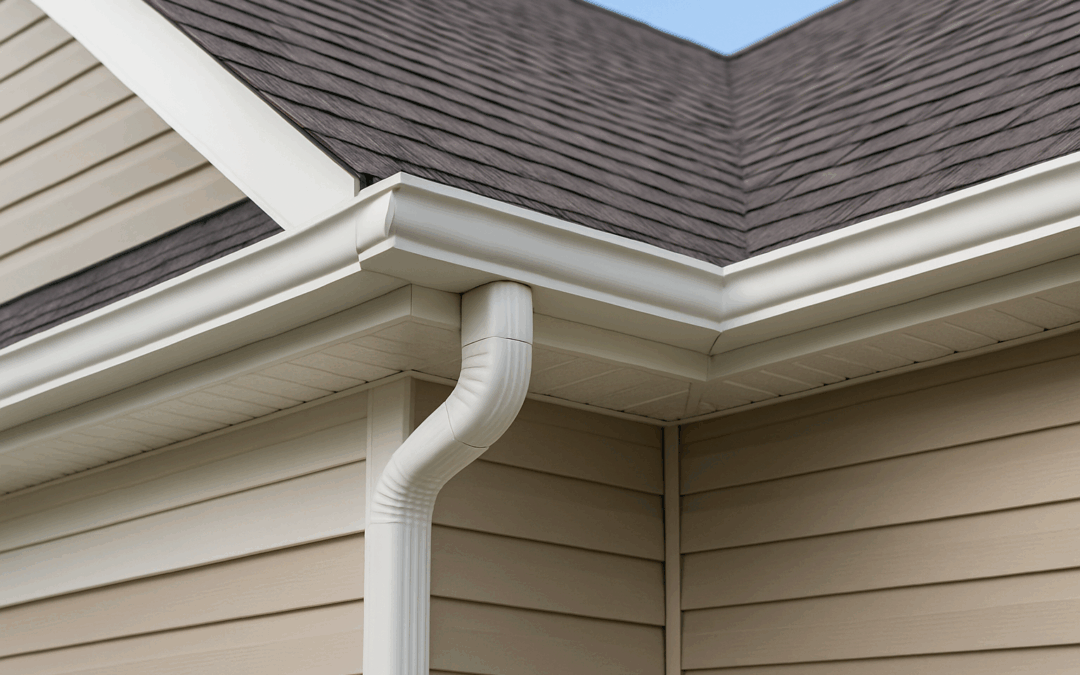
Gutter downspouts are vertical pipes or tubes connected to the edge of the gutters. Their primary function is to channel rainwater collected by the gutters down to the ground and away from the home’s foundation. Downspouts are usually made of aluminum, galvanized steel, vinyl, or copper, and they come in various shapes and sizes to accommodate specific roof designs and water volumes.
How Downspouts Work
When rain falls on the roof, it is directed into the gutters, which run along the roof edge. Water flows through the gutters to strategically placed downspouts, which then discharge the water safely onto splash blocks, extensions, or underground drainage pipes. This system ensures that rainfall is managed efficiently, preventing water from accumulating near the house.
Why Downspouts Matter for Memphis Homeowners
Memphis experiences frequent thunderstorms, heavy downpours, and occasional flash flooding, especially in the spring and summer months. These weather patterns can deposit significant volumes of water onto roofs in a short period. Without properly functioning downspouts, water can overflow from gutters, saturate the soil, and threaten the structural integrity of basements and foundations.
Local Soil and Drainage Concerns
Memphis is known for its clay-rich soils, which have poor drainage properties. When water is not properly diverted, it can pool around the foundation, increasing the risk of cracks, shifting, and even flooding in basements or crawl spaces.
Key Benefits of Proper Downspout Installation and Maintenance
1. Foundation Protection
Downspouts direct water away from the home’s base, reducing the risk of foundation erosion, settling, and costly structural repairs.
2. Prevention of Basement Flooding
Effective water diversion limits the possibility of water entering basements or crawl spaces, especially during periods of intense rainfall.
3. Landscape Preservation
By directing water away from beds and lawns, downspouts help maintain the health of landscaping and prevent soil erosion.
4. Siding and Exterior Safeguarding
Properly positioned downspouts minimize the risk of water splashing onto exterior walls, which can lead to staining, rot, or mildew growth.
5. Reduced Pest and Mold Issues
Standing water near the foundation creates an environment for pests, such as mosquitoes and termites, and encourages mold and mildew growth.
Common Problems and Risks Associated with Neglected Downspouts
1. Clogging
Leaves, twigs, and debris can block downspouts, preventing water from flowing freely and causing gutter overflow.
2. Improper Placement
Downspouts that discharge water too close to the foundation or in poorly drained areas can do more harm than good.
3. Damage and Detachment
Storms, ice, or physical impact can bend or detach downspouts, compromising water management and leaving the home vulnerable.
4. Insufficient Number
Too few downspouts for the gutter length or roof size can overload the system, resulting in frequent overflows.
Practical Knowledge for Memphis Homeowners
Inspection and Maintenance Tips
- Check Downspouts Regularly: Inspect for clogs, leaks, or detachment after major storms and at least twice a year.
- Clear Debris: Use a hose or plumber’s snake to remove blockages and ensure unobstructed water flow.
- Monitor Discharge Areas: Ensure water is directed several feet away from the foundation via extensions or splash blocks.
- Upgrade When Needed: Consider adding additional downspouts for large roofs or replacing damaged sections with durable materials.
- Winter Preparedness: Memphis rarely experiences deep freezes, but ice can still block downspouts in colder conditions. Clear them before cold snaps to prevent ice dams.
Effective Downspout Placement
- Spacing: Downspouts should be installed every 20-30 feet of gutter, or at every inside or outside corner.
- Extensions: Use downspout extensions to move water further away from the home, especially in areas with poor soil drainage.
Local Building Codes
Memphis building codes may have requirements for downspout installation and water diversion. Homeowners should consult local regulations or professionals for guidance.
Conclusion
Gutter downspouts are indispensable in protecting Memphis homes from water damage, foundation problems, and landscape erosion. Tiger Gutters of Memphis, TN, encourages all homeowners to understand the critical role of downspouts, perform regular inspections, and ensure proper placement and maintenance. By prioritizing downspout performance, Memphis residents can safeguard their homes against the challenges posed by local weather and soil conditions.