
Memphis, TN, is known for its heavy rains, humid springs, and the potential for sudden storms that can put significant pressure on local homes. While gutters are commonly discussed as a first line of defense against water damage, one crucial component is often overlooked: the gutter drip edge. In this comprehensive, educational blog post from Tiger Gutters, based in Memphis, we will explain what a gutter drip edge is, why it is important for homeowners in Memphis, the benefits and potential problems associated with it, and practical knowledge to help property owners make informed decisions.
What Is a Gutter Drip Edge?
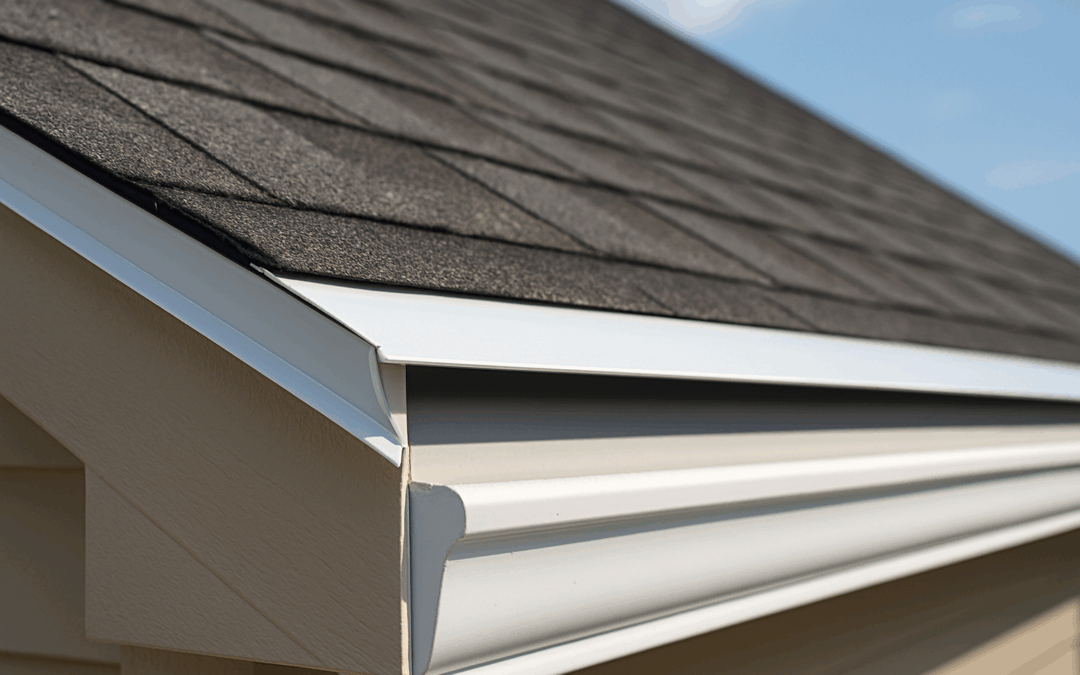
A gutter drip edge is a specialized piece of metal flashing installed along the edge of the roof, just beneath the shingles and above the gutter. Its main function is to direct rainwater away from the fascia and into the gutter system, preventing water from running behind the gutter or seeping into the underlying wooden components of the roof. Drip edges are typically made from corrosion-resistant materials such as aluminum or galvanized steel, and they are designed to be an unobtrusive yet highly effective element in a comprehensive water management strategy.
Why Gutter Drip Edge Matters in Memphis, TN
Memphis’s climate brings intense rainfall, periods of high humidity, and a significant number of wind-driven storms. These weather patterns can cause water to behave unpredictably as it runs off roofs. Without a properly installed drip edge, rainwater can bypass the gutters, leading to moisture seeping into the roof deck, fascia, soffit, and even the interior walls of the home. In Memphis, where wooden construction is common, moisture intrusion can quickly escalate into major structural problems.
Key Benefits of Gutter Drip Edge
1. Prevents Water Damage to Fascia and Roof Deck
The most critical role of a drip edge is to protect the vulnerable wooden fascia board and the edges of the roof deck from water infiltration. When water runs behind gutters due to missing or improperly installed drip edge, it can rot wood, promote mold growth, and weaken the home’s structure.
2. Ensures Proper Water Channeling
The drip edge guides rainwater directly into the gutter trough, reducing the likelihood of overflow and minimizing the risk of water collecting near the foundation or landscaping.
3. Increases Gutter System Efficiency
By improving the direction and control of water flow, the drip edge helps prevent gutter clogs and backups, supporting the overall function of the gutter system—especially important during Memphis’s heavy downpours.
4. Protects Soffit and Attic
A well-installed drip edge keeps water out of the soffit and attic, reducing the chances of mold, mildew, and pest infestations.
5. Helps with Ice Dam Prevention
Although Memphis is not known for harsh winters, occasional freezes can occur. A drip edge helps channel melting ice and snow into the gutter, reducing the risk of ice dams and their associated damage.
Risks and Problems Associated with Neglecting Drip Edge
- Water Damage: Missing or damaged drip edge allows water to infiltrate wooden components, leading to rot and expensive repairs.
- Gutter Inefficiency: Without a drip edge, water can skip past the gutter entirely, rendering the system less effective.
- Pest Intrusion: Wet, rotting wood is a magnet for termites and other pests, which can further damage the structure.
- Mold and Mildew: Moist wood or attic spaces create ideal conditions for mold growth, which can affect indoor air quality and health.
Practical Knowledge for Memphis Homeowners
Inspection
- Visual Checks: Homeowners should periodically inspect their roof edges for visible drip edge flashing. Look for uniform metal strips tucked under the shingles and extending over the gutter.
- Signs of Trouble: Staining on fascia boards, peeling paint, or water marks on exterior walls may indicate missing or failing drip edge.
Materials and Installation
- Material Choice: Use corrosion-resistant metals like aluminum or galvanized steel for longevity in the humid Memphis climate.
- Professional Installation: Proper installation is critical. The drip edge should extend past the roof decking, and shingles should overhang the drip edge slightly to direct water efficiently.
- Roof Replacement: If installing a new roof, always ensure drip edge flashing is part of the scope, as this is the best time for proper integration.
Maintenance
- Periodic Cleaning: Keep gutters clear of debris to ensure the drip edge can perform its function.
- Check After Storms: High winds can sometimes dislodge flashing, so always inspect the roof perimeter after major weather events.
Building Codes
- Local Codes: In many areas, including Memphis, building codes require drip edge installation on new roofs or during major roof replacements. Homeowners should verify compliance with local standards.
Conclusion
A gutter drip edge is a small but vital component in protecting Memphis homes from water damage. Tiger Gutters, serving Memphis, TN, encourages homeowners to understand the importance of this feature for maintaining the integrity of their gutter and roofing systems. By being informed about the function, benefits, and maintenance of drip edges, Memphis residents can better safeguard their homes against the challenges posed by local weather conditions.