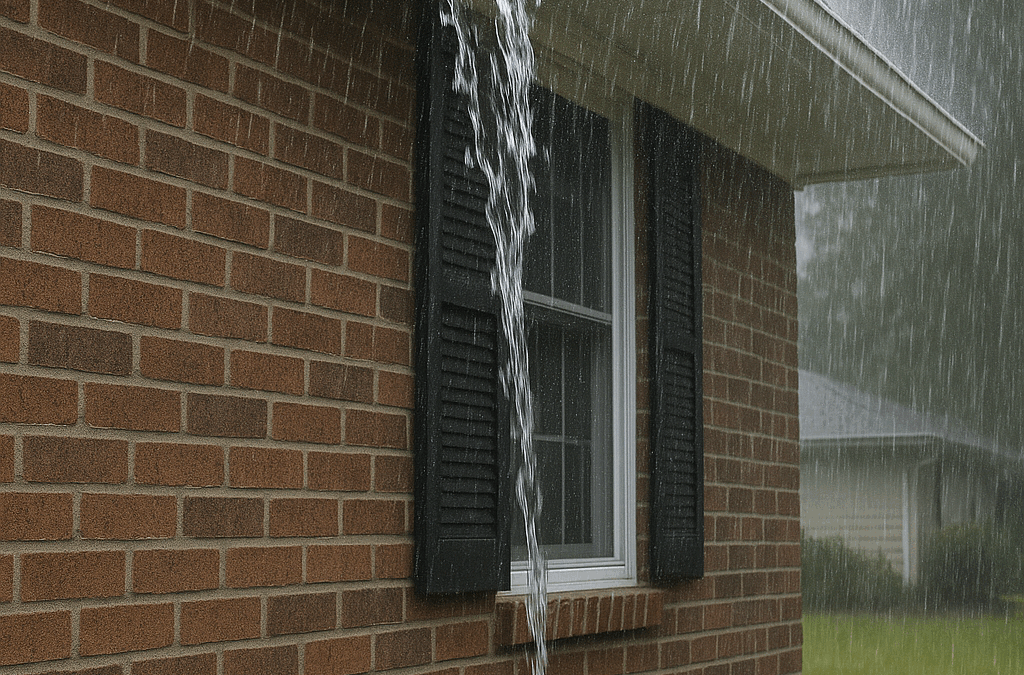
When it rains in Memphis, TN, the water that falls on your roof has to go somewhere. While gutters and downspouts handle most of the work, the way rainwater is directed after it leaves your home can have a big impact on the health of your foundation. Over time, uncontrolled runoff can cause erosion, soil shifting, and even structural problems. Tiger Gutters wants homeowners to understand how rainwater runoff works, why it matters, and what steps can help manage it effectively.
What Is Rainwater Runoff?
Rainwater runoff refers to the water that flows off your roof, down driveways, sidewalks, and landscaped areas, and eventually into the ground or storm drains. The runoff process happens naturally during and after rainfall, but its path and speed can determine whether it helps or harms your property.
In Memphis, where seasonal thunderstorms can deliver heavy rainfall in a short amount of time, runoff management is especially important. Without proper control, excess water can end up pooling near your foundation.
How Rainwater Runoff Affects Your Home’s Foundation
Your home’s foundation is built to bear weight, but it’s not meant to withstand constant water pressure or erosion. Here’s how poorly managed runoff can cause issues:
1. Soil Erosion
When water flows too quickly or consistently in one direction, it can carry away soil from around your foundation. Over time, this creates gaps and uneven support beneath your home.
2. Hydrostatic Pressure
When the soil around a foundation becomes saturated, the weight of that water (hydrostatic pressure) pushes against basement walls or crawl space structures, potentially leading to cracks or leaks.
3. Foundation Settlement
If the soil underneath your home washes away or shifts due to water, parts of your foundation can sink or tilt, leading to uneven floors and structural strain.
The Role Gutters Play in Runoff Control
While gutters may seem like a simple system for catching water, they are the first line of defense against uncontrolled rainwater runoff. A well-placed gutter system channels water into downspouts, which then discharge it a safe distance from the foundation.
Without gutters, rain falls directly from the roof edge, creating concentrated streams that quickly erode the soil below. In Memphis’s clay-heavy soils, water can also cause expansion and contraction cycles that stress the foundation.
Common Signs of Poor Rainwater Runoff
Homeowners should watch for these indicators that runoff is not being managed properly:
- Water pooling near the base of the home after rain
- Mud splatter or soil displacement near foundation walls
- Washed-out landscaping or mulch beds
- Visible cracks in exterior foundation walls
- Damp or musty smells in basements or crawl spaces
Factors That Influence Rainwater Runoff in Memphis
Memphis has its own set of conditions that affect how runoff behaves:
- Heavy Downpours – Intense rain events can overwhelm drainage systems quickly.
- Clay-Rich Soil – Expands when wet and contracts when dry, making it prone to shifting.
- Flat Terrain – Slower drainage can lead to standing water around foundations.
- Seasonal Storms – Spring and summer thunderstorms can cause sudden surges in runoff.
Options for Directing Rainwater Away From Your Foundation
While every property is unique, here are some common ways homeowners can manage runoff more effectively:
- Splash Blocks – Positioned under downspouts to spread water over a larger area.
- Downspout Extensions – Directs water further away from the home.
- French Drains – Subsurface systems that redirect water away from problem areas.
- Grading Adjustments – Ensuring the ground slopes away from the foundation.
Landscaping and Runoff Management
Your yard’s design can either help or hinder runoff control. Landscaping choices such as native plants, rain gardens, and permeable pathways can slow water flow and allow it to soak into the soil naturally. In Memphis, native plants like switchgrass, coneflower, and black-eyed Susan are not only beautiful but also effective at reducing erosion.
Seasonal Considerations for Rainwater Management
- Spring – Heavy thunderstorms and saturated soil increase runoff risks.
- Summer – Sudden storms after dry spells can cause quick erosion.
- Fall – Falling leaves can clog gutters, reducing their ability to channel water.
- Winter – Freezing temperatures are rare in Memphis but can still affect soil stability.
Conclusion
Rainwater runoff is more than just a puddle in the yard—it’s a key factor in protecting the structural health of a home’s foundation. By understanding how water moves across your property and taking steps to control its path, you can reduce the risk of erosion, soil shifting, and water-related damage. This article has focused on the science and practical considerations of runoff control, not on specific services, so homeowners can make informed choices for their properties.