
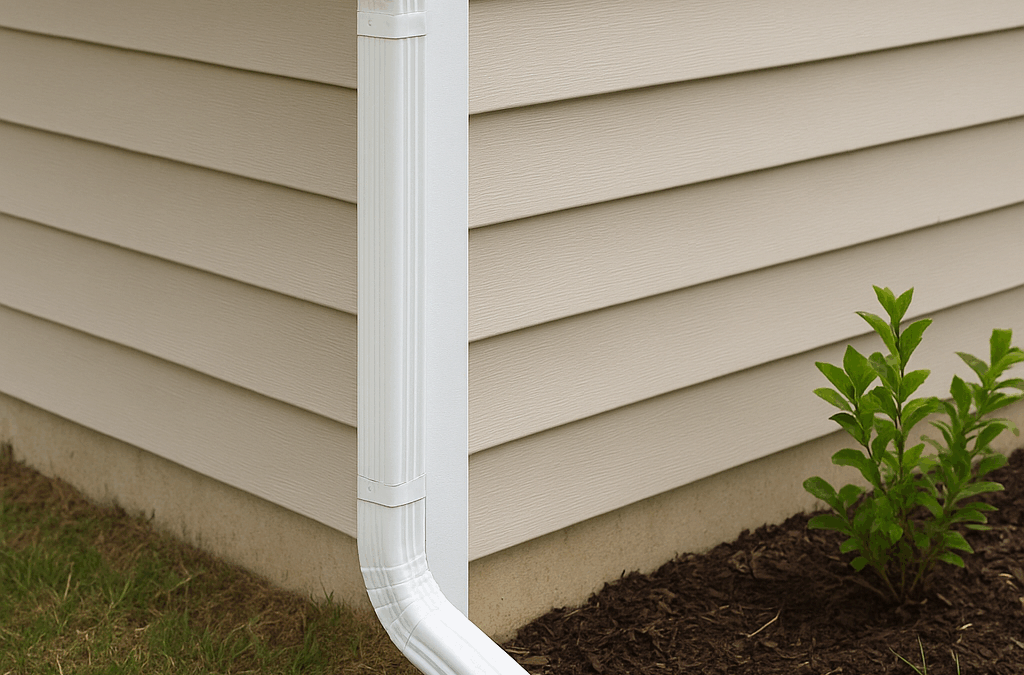
Rainwater management is a crucial part of maintaining a home’s structure, foundation, and landscaping. While most people think of gutters as the main player in keeping water away from a home, downspouts are just as important — and their placement can make a big difference. For homeowners in Memphis, TN, where heavy rains and seasonal storms are common, understanding how downspouts work and where they should be positioned can help prevent costly water-related problems. In this post, we’ll explore the role of downspouts, factors that influence placement, and why this detail matters so much. Tiger Gutters believes that sharing this knowledge helps homeowners better understand their gutter systems and the science behind effective rainwater control.
What is a Downspout and Why Does Placement Matter?
A downspout is the vertical pipe that channels water from the horizontal gutter system to the ground, a drainage system, or a rainwater collection barrel. Its purpose is straightforward — move water away from your home. But placement is not just about convenience; it directly affects:
- Foundation Protection – Poor placement can allow water to pool near the base of a home, leading to foundation erosion, cracks, and even basement leaks.
- Landscape Preservation – Water dumped in the wrong spot can wash away mulch, damage plants, or erode soil.
- Roof and Siding Longevity – By directing water flow correctly, downspouts reduce the risk of splashing and backflow that can damage siding or soffits.
In short, a well-designed downspout layout ensures that water moves efficiently and safely away from vulnerable areas.
Common Downspout Placement Guidelines
While every home is unique, there are some widely accepted best practices for positioning downspouts:
- Spacing Matters – A general recommendation is one downspout for every 20–30 feet of gutter length. Longer runs without a downspout can lead to overflow.
- Slope Considerations – Gutters should be slightly sloped toward the nearest downspout to encourage proper water flow.
- Corner Placement – Many homes have downspouts placed at corners, which is effective if water has a clear path away from the foundation.
- Avoiding Obstacles – Downspouts should be placed so water exits into an open space, not onto walkways, driveways, or areas prone to flooding.
The Role of Memphis Weather in Downspout Planning
Memphis experiences a humid subtropical climate with frequent rainfall, particularly in spring and late summer. This means:
- Heavy Rainfall – Downspouts need to handle high volumes of water quickly.
- Soil Type – Many Memphis properties have clay-rich soil, which drains slowly, making correct downspout placement even more critical.
- Storm Intensity – Sudden downpours can overwhelm systems without adequate drainage routes.
Because of this, homes in Memphis often benefit from strategic downspout placement that considers both roof size and local drainage conditions.
Downspout Extensions and Drainage Solutions
Even with perfect placement, water still needs somewhere to go once it leaves the downspout. This is where extensions, splash blocks, and underground drainage pipes come in. Extensions move water farther away from the home, reducing the chance of pooling near the foundation. Some homeowners also use:
- Splash Blocks – Simple devices that spread water over a larger area.
- Buried Drain Pipes – Direct water underground to a safer discharge point.
- Rain Gardens – Landscaped areas designed to absorb and filter runoff.
The right drainage method often depends on the property’s slope, soil type, and available space.
Signs Your Downspouts May Be Poorly Placed
While placement is ideally planned during installation, it’s possible to identify problems later. Warning signs include:
- Pooling Water Near the House – Indicates water isn’t being carried far enough away.
- Overflowing Gutters – Could mean the nearest downspout is too far from a heavy collection point.
- Erosion or Washed-Out Landscaping – Suggests water is exiting in a high-impact location.
- Water Stains on Siding or Foundation – May be caused by splashing from an improperly directed downspout.
Recognizing these signs early can help homeowners take steps to adjust downspout placement or improve drainage.
The Connection Between Gutter Maintenance and Downspout Efficiency
Even the best-placed downspouts won’t function well if the gutters are clogged. Leaves, sticks, and debris can block water flow, causing it to spill over the gutter edge instead of reaching the downspout. Regular cleaning and inspection ensure that:
- Water moves freely through the system.
- Downspouts operate at full capacity.
- Rainwater is consistently directed away from vulnerable areas.
In Memphis, where storms can drop large amounts of debris into gutters in a short period, maintenance plays a huge role in keeping downspouts effective.
Final Thoughts
Downspout placement is more than a construction detail — it’s a key factor in protecting your home from water damage. By understanding how downspouts work, where they should be placed, and how Memphis weather affects rainwater flow, homeowners can make informed decisions about their gutter systems. Whether you’re planning a new installation or evaluating your current setup, knowing the principles of proper downspout placement can go a long way toward maintaining your home’s integrity. Tiger Gutters values providing educational resources like this to help Memphis residents better understand the importance of smart rainwater management.