
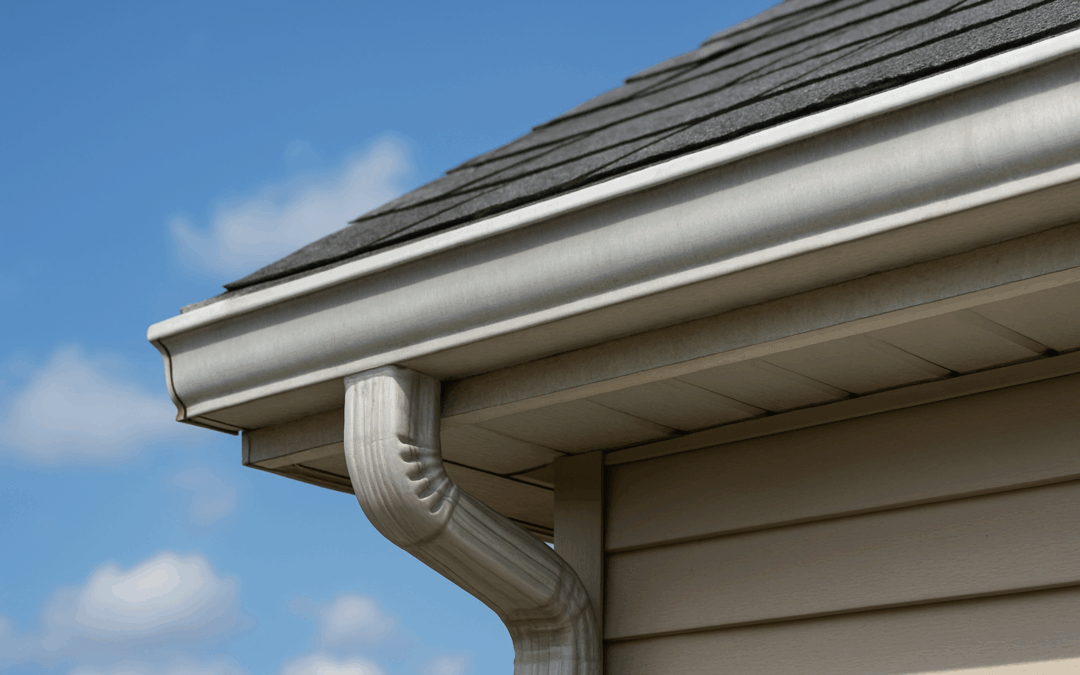
When it comes to protecting your Memphis home from water damage, proper gutter functionality is absolutely critical. At Tiger Gutters, we understand that Memphis homeowners face unique challenges with our humid subtropical climate, frequent thunderstorms, and seasonal weather patterns. One of the most fundamental aspects of effective gutter performance that many homeowners overlook is gutter slope and pitch – a technical element that can make the difference between a system that works flawlessly and one that causes costly water damage problems.
What is Gutter Slope and Pitch?
Gutter slope, also referred to as gutter pitch, is the subtle downward angle at which gutters are installed along your roofline. This seemingly minor detail is actually one of the most crucial factors in ensuring proper water drainage from your roof system. The slope determines how effectively rainwater and melted precipitation flow toward downspouts and away from your home’s foundation.
Professional gutter installation requires precise calculations to achieve the optimal slope. The standard industry recommendation is approximately one-quarter inch of slope for every 10 feet of gutter length. This translates to a 1:40 ratio that provides sufficient gravitational pull to move water efficiently without creating an obvious visual angle that detracts from your home’s appearance.
Why Proper Slope Matters in Memphis
Memphis’s climate presents specific challenges that make proper gutter slope particularly important. Our region experiences an average annual rainfall of approximately 54 inches, with intense summer thunderstorms that can dump several inches of rain in short periods. Additionally, Memphis’s clay soil composition means that excess water around foundations can cause serious structural issues including settling, cracking, and basement flooding.
During Memphis’s hot, humid summers, improperly sloped gutters can create stagnant water pools that become breeding grounds for mosquitoes – a significant concern in our area. These standing water areas also promote algae growth, mold development, and premature deterioration of gutter materials.
Winter weather in Memphis, while generally mild, can still produce ice formation in gutters with insufficient slope. When water doesn’t drain properly, even minor freezing can create ice dams that damage gutter systems and potentially cause roof leaks.
The Consequences of Incorrect Gutter Slope
When gutters lack proper slope, several serious problems can develop that threaten your Memphis home’s integrity. Understanding these risks helps homeowners appreciate why professional installation and periodic slope assessment are essential investments.
Standing Water Issues: Insufficient slope allows water to pool in gutter sections rather than flowing toward downspouts. In Memphis’s warm climate, this stagnant water quickly becomes a health hazard and structural concern. Standing water adds excessive weight to gutter systems, potentially causing sagging, bracket failure, and complete system collapse during heavy rainfall events.
Foundation Damage: Improperly sloped gutters often overflow during Memphis’s intense summer storms. This overflow typically occurs near the middle sections of gutter runs, depositing large volumes of water directly adjacent to foundation walls. Over time, this concentrated water exposure can cause foundation settling, basement leaks, and expensive structural repairs.
Premature System Deterioration: Water that doesn’t drain properly accelerates corrosion in metal gutters and promotes algae growth that can stain and degrade all gutter materials. The constant moisture exposure significantly reduces system lifespan, requiring earlier replacement than properly sloped installations.
Pest Problems: Memphis homeowners know that standing water attracts mosquitoes, but improperly drained gutters also attract other pests including termites, carpenter ants, and various flying insects that thrive in moist environments.
Determining Proper Slope for Your Home
Calculating appropriate gutter slope involves several factors specific to your property’s characteristics. The basic quarter-inch per ten-foot rule provides a starting point, but Memphis homes often require adjustments based on local conditions.
Homes with longer gutter runs may benefit from central high points with slopes directing water toward downspouts at both ends. This approach prevents any single gutter section from becoming too long, which can overwhelm drainage capacity during heavy rainfall.
The number and positioning of downspouts also influences optimal slope calculations. Memphis’s rainfall intensity often requires additional downspouts beyond minimum recommendations to handle peak water volumes effectively.
Roof pitch and surface area directly impact the volume of water entering gutter systems. Steeper roofs shed water more rapidly, requiring gutters with slightly increased slope to accommodate the faster water flow. Similarly, larger roof areas collect more water, potentially necessitating slope adjustments to prevent overflow.
Signs Your Gutters Need Slope Adjustment
Memphis homeowners should regularly inspect their gutter systems for indicators that slope correction is needed. Early identification of slope problems can prevent expensive water damage and extend gutter system life.
Visible standing water in gutters after rainfall is the most obvious sign of insufficient slope. However, water stains on gutter exteriors, mineral deposits along gutter edges, and plant growth in gutters also indicate drainage problems.
Overflowing gutters during moderate rainfall suggests slope issues, particularly if the overflow occurs consistently in the same locations. Similarly, if you notice water dripping from gutter joints or accumulating near your foundation after storms, slope inadequacy is likely contributing to the problem.
Sagging gutter sections often result from the added weight of standing water caused by insufficient slope. If you observe any gutter sections that appear lower than others or pull away from fascia boards, slope correction is urgently needed.
Professional Assessment and Correction
While some homeowners attempt to assess gutter slope using basic tools, professional evaluation provides the precision necessary for optimal performance in Memphis’s challenging climate. Experienced professionals use specialized equipment to measure existing slope and calculate required adjustments for maximum effectiveness.
Professional slope correction often involves repositioning gutter hangers, adjusting fascia board attachments, or completely reinstalling gutter sections. This work requires expertise to maintain proper structural support while achieving optimal water flow characteristics.
Conclusion
Proper gutter slope and pitch represent fundamental elements of effective home protection that Memphis homeowners cannot afford to overlook. The combination of our region’s intense rainfall, clay soil conditions, and warm climate makes precise gutter slope absolutely essential for preventing water damage, pest problems, and premature system failure. Tiger Gutters understands these local challenges and the critical role that proper slope plays in protecting Memphis homes. By ensuring your gutter system maintains appropriate slope and pitch, you’re investing in long-term protection for one of your most valuable assets – your home.