
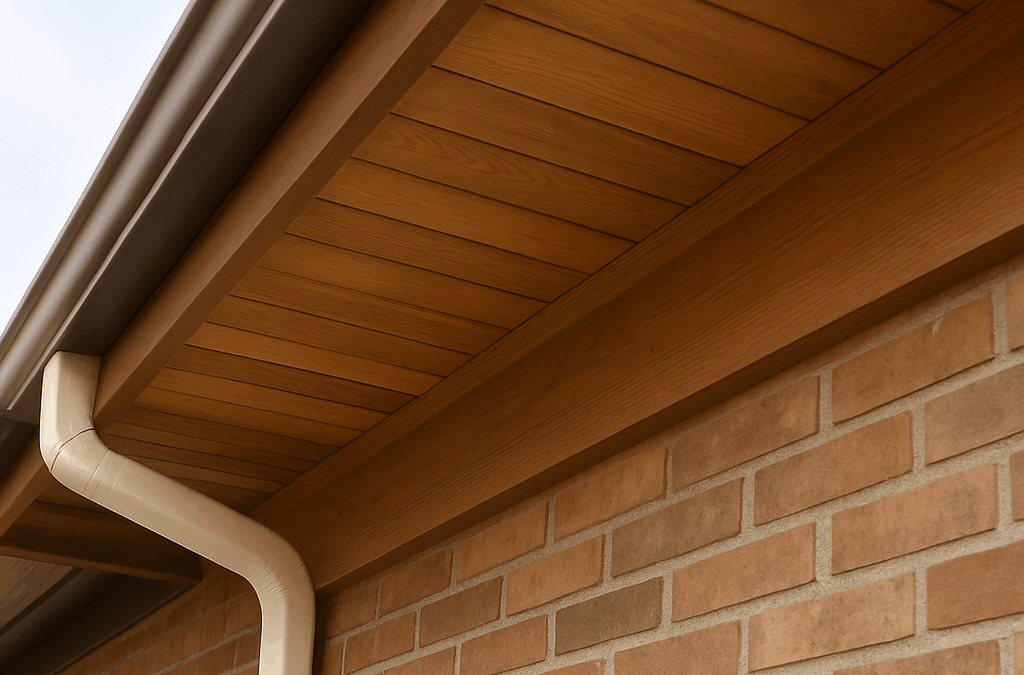
When it comes to maintaining the structural integrity and appearance of your home, certain architectural components often go unnoticed—but they serve crucial purposes. One of these components is the soffit, particularly the wood soffit, which is commonly found in older homes or classic architectural styles throughout Memphis and the Mid-South region. In this blog post, we’ll explore everything you need to know about wood soffits, including their function, benefits, challenges, and maintenance requirements. This informational guide is brought to you by Tiger Gutters, a Memphis-based company that understands the importance of properly maintained exterior home components.
What Is a Wood Soffit?
The term “soffit” comes from the Latin word suffixus, meaning “fixed underneath.” A soffit refers to the horizontal material that connects the edge of the roof to the exterior wall—essentially covering the underside of the roof’s overhang. A wood soffit specifically uses timber or wood-based materials to create that enclosure.
In residential construction, wood soffits are typically installed under the eaves of the roof to provide a finished look while playing several practical roles. Wood remains a popular material choice for soffits due to its natural appearance and compatibility with a wide variety of home styles.
The Purpose of a Soffit in Residential Architecture
Before diving deeper into wood-specific considerations, it’s important to understand the general purpose of a soffit:
- Ventilation: Soffits often include vents or perforations to allow airflow into the attic, preventing moisture buildup and promoting energy efficiency.
- Protection: They shield rafters and attic spaces from the elements, such as wind-driven rain, snow, and pests.
- Aesthetics: Soffits provide a clean, finished edge to your roofline and can enhance curb appeal.
Why Homeowners Choose Wood Soffit
Wood has long been favored as a building material due to its natural beauty, workability, and availability. Here are some reasons why wood soffits continue to be a preferred choice for many:
1. Classic Appearance
Wood offers a timeless, traditional look that complements many architectural styles—especially Craftsman, Colonial, or Victorian homes, which are still prevalent in neighborhoods throughout Memphis.
2. Customizability
Wood can be cut, painted, or stained in virtually any way, making it ideal for homeowners who want a specific aesthetic. It can also be easily matched with other wooden elements of the home’s exterior, such as fascia boards or trim.
3. Ease of Repair
When damage occurs, individual wooden boards can often be replaced without disturbing the rest of the structure. This makes localized repairs more manageable compared to some composite or vinyl alternatives.
Common Types of Wood Used for Soffits
Several types of wood can be used in soffit construction. Each has its own strengths in terms of appearance, durability, and cost:
- Cedar: Known for its natural resistance to moisture, rot, and insects.
- Pine: A budget-friendly option that is lightweight and easy to work with.
- Redwood: Valued for its beauty and longevity, though it can be more expensive.
- Plywood: Frequently used due to its uniformity and cost-effectiveness; may require additional treatment to withstand weather exposure.
The type of wood chosen can affect the maintenance needs, cost, and lifespan of the soffit, so it’s important to understand each option’s characteristics.
Potential Challenges with Wood Soffits
While wood soffits offer numerous advantages, they also come with certain drawbacks that homeowners should be aware of:
1. Susceptibility to Moisture
One of the primary concerns with wood is its vulnerability to water damage. Without proper sealing, paint, or stain, wood soffits can absorb moisture, leading to rot, warping, or mold growth.
2. Insect Infestation
Wood is an organic material and may attract termites, carpenter ants, or other insects if not treated with the appropriate preservatives or regularly inspected.
3. Maintenance Requirements
Unlike some synthetic materials, wood requires regular maintenance. This includes repainting or restaining, sealing joints, and checking for signs of damage.
4. Weathering in Humid Climates
In Memphis, where humidity and rainfall are relatively high, wood soffits can weather faster than in drier climates. UV rays and seasonal changes can also contribute to wear and tear.
Maintenance Tips for Wood Soffits
To preserve the appearance and function of wood soffits, homeowners may consider the following maintenance strategies:
- Regular Inspections: Look for signs of peeling paint, soft spots, or insect activity at least once a year.
- Cleaning: Remove dirt, debris, and cobwebs to prevent decay and staining.
- Painting and Sealing: Use high-quality exterior paints or stains to protect the wood from moisture and UV damage.
- Ventilation Checks: If your wood soffit includes venting, ensure that the vents are free of obstructions like dust, leaves, or bird nests.
Being proactive with upkeep can help extend the lifespan of wood soffits and prevent more significant repair needs in the future.
Wood Soffit and Roofline Integration
A well-maintained wood soffit does more than serve its standalone function—it plays a key role in the entire roofline system. Soffits often work in tandem with fascia boards and gutters to protect the home’s structural components.
- Gutters: These systems rely on soffit and fascia structures for secure attachment. If the wood becomes compromised, it could affect the stability of the gutter system.
- Fascia Boards: Typically located at the edge of the roof, fascia boards often anchor the soffit panels. Keeping all parts of the roofline in good condition ensures a more weather-resistant home.
Alternatives to Wood Soffits
Some homeowners choose alternatives to wood to reduce maintenance or increase durability. These include:
- Vinyl Soffits: Lightweight, affordable, and low-maintenance. Available in a variety of colors and styles.
- Aluminum Soffits: Resistant to rust and rot, often used in areas prone to extreme weather.
- Fiber Cement or Composite Soffits: Durable and designed to mimic the appearance of wood while offering better moisture resistance.
Each material has its pros and cons. The decision to use wood or an alternative often comes down to aesthetic preferences, budget, and long-term goals.
The Role of Soffits in Energy Efficiency
Wood soffits, especially when vented, contribute to the ventilation of attic spaces. Proper airflow helps:
- Regulate attic temperature, reducing strain on HVAC systems.
- Prevent condensation, which can lead to mold or mildew.
- Extend roof lifespan by reducing heat and moisture buildup.
In Memphis, where summers are hot and humid, ensuring proper attic ventilation can be especially beneficial for overall energy performance.
Historic and Regional Relevance of Wood Soffits in Memphis
In many of Memphis’s historic neighborhoods—like Cooper-Young, Central Gardens, or Vollintine-Evergreen—wood soffits are an integral part of the architectural character. Preserving or accurately replicating these elements is often a priority for homeowners who wish to maintain historical accuracy or meet local zoning requirements for renovations.
Understanding the importance of wood soffits in the local context can help homeowners make informed decisions about maintenance or potential upgrades.
Conclusion
Wood soffits are a foundational element of many Memphis homes, combining form and function in a way that enhances curb appeal while supporting the building’s overall durability. They offer a classic look, adaptability, and compatibility with various architectural styles—but they also require mindful maintenance to protect against the humid climate and other environmental challenges of the region.
By understanding the role, materials, and care needed for wood soffits, homeowners can make educated decisions that benefit their property for years to come. This educational guide is brought to you by Tiger Gutters, a company based in Memphis, TN, dedicated to providing helpful information about gutter systems and related home exterior features.