
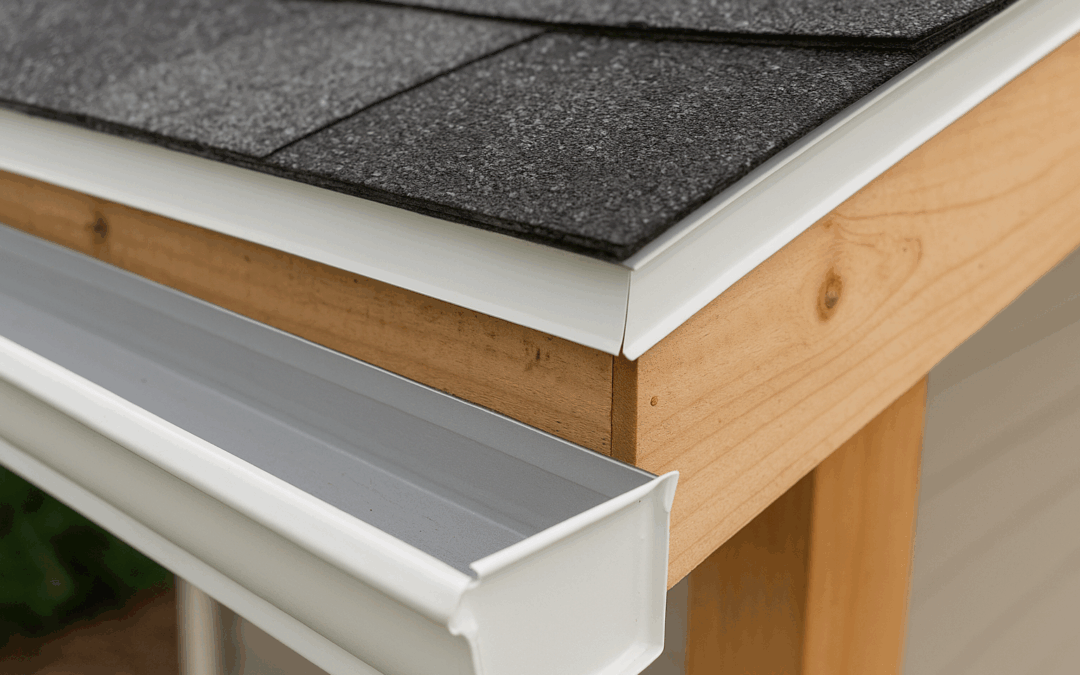
When it comes to maintaining a healthy roofing and gutter system, one often-overlooked component plays a crucial role: the gutter drip edge. Homeowners in Memphis, TN, face a wide range of weather conditions, from heavy rainfalls to high humidity levels—making it essential to understand how each part of the home’s drainage system works. In this article, Tiger Gutters of Memphis, TN, explains the function, benefits, and considerations of gutter drip edges so homeowners can make informed decisions when inspecting or upgrading their gutter systems.
What Is a Gutter Drip Edge?
A gutter drip edge is a metal flashing that is installed along the edges of a roof to direct water away from the fascia and into the gutter system. It creates a clean break at the roofline, guiding water flow into the gutters and preventing it from seeping behind the gutter or under the shingles.
While it might seem like a small component, the drip edge is fundamental in protecting the structural integrity of your roof, fascia, and siding.
Key Functions of a Gutter Drip Edge
- Prevents Water Damage to Fascia and Roof Decking
Without a properly installed drip edge, water can wick under the shingles and rot the wooden fascia boards or the edges of the roof deck. Over time, this can lead to costly repairs and structural concerns. - Improves Water Flow into the Gutter System
The angled design of the drip edge ensures that water is directed into the gutters instead of cascading off the roof edge, reducing the chances of water pooling around the foundation. - Protects Against Ice Dams and Wind-Driven Rain
In colder months, a drip edge can help mitigate the formation of ice dams, which occur when melted snow refreezes at the roof edge. In stormy weather, it adds an extra barrier of protection against wind-driven rain. - Extends Roof Life
By preventing moisture from infiltrating beneath the shingles or roof deck, a drip edge can help extend the lifespan of the roof by reducing the potential for rot and mold growth.
Common Materials Used for Drip Edges
Drip edges are typically made from corrosion-resistant materials, and the choice can vary based on budget, climate, and aesthetic preferences:
- Aluminum: Lightweight, rust-resistant, and available in many colors.
- Galvanized Steel: Very durable and strong, though heavier and sometimes prone to rust if not properly coated.
- Copper: Offers an elegant appearance and high durability, though more expensive than other options.
Each material has its own set of benefits, and the ideal choice may depend on the specific needs of the home and regional climate patterns in the Memphis area.
Drip Edge Profiles: Type C vs. Type D
There are several different profiles of drip edges, but the most commonly used are Type C and Type D:
- Type C (L-style): This has a simple 90-degree angle and is often used in older homes or with certain gutter configurations.
- Type D (T-style or D-metal): This design features a flange that creates a better water-shedding profile, making it highly effective at keeping water away from the fascia.
Type D is often considered a better choice for areas with significant rainfall, like Memphis, due to its enhanced performance in channeling water efficiently.
Building Codes and Installation Requirements
Many modern building codes now require drip edge flashing for new roof installations. According to the International Residential Code (IRC), drip edges must be installed at the eaves and rake edges of shingle roofs. The metal flashing should be securely fastened and overlap in certain ways to ensure optimal water diversion.
In Memphis, where moisture levels can be high, local codes may also place additional emphasis on correct flashing installation to prevent mold and rot. Always refer to up-to-date local building codes or consult with a knowledgeable roofing professional when assessing drip edge requirements.
Signs That a Drip Edge May Be Missing or Damaged
Homeowners might not always be able to tell whether a drip edge is present or working effectively. However, the following signs could indicate that a roof may lack proper drip edge flashing:
- Water stains on the fascia or soffit
- Visible water damage near the roofline
- Gutters pulling away from the house
- Leaking behind the gutter during rainfall
- Shingle edges curling or deteriorating
Routine visual inspections and professional evaluations can help identify whether the current system includes drip edge flashing and if it is functioning as intended.
The Role of the Drip Edge in the Memphis Climate
Memphis experiences high annual rainfall and seasonal storms, which means that efficient water management is a top priority for homeowners. A well-installed drip edge helps minimize the risks of:
- Fascia rot from persistent rainfall
- Soil erosion around the foundation due to gutter overflow
- Mold growth in the attic from water intrusion
- Damage to siding caused by uncontrolled water runoff
Given these challenges, understanding and maintaining all components of a gutter system—including the drip edge—is especially important in this region.
Drip Edge Maintenance Tips
Although drip edges are typically low-maintenance, they are not completely maintenance-free. Here are a few best practices to ensure long-lasting performance:
- Inspect Annually: Look for signs of rust, detachment, or improper alignment.
- Clean Gutters Regularly: Clogged gutters can cause water to back up under the roofline, even with a drip edge in place.
- Check After Storms: Strong winds and heavy rain can sometimes shift or loosen flashing.
- Monitor Paint and Sealant: If the drip edge is painted to match the roofline or fascia, touch-ups may be necessary over time.
Conclusion
The gutter drip edge might not be the first thing that comes to mind when thinking about home maintenance, but it is undeniably a vital part of an effective roofing and drainage system. Especially in a climate like Memphis, TN, where moisture and storms are common, having a functional drip edge can help protect a home from a wide range of water-related issues.
By understanding the purpose, materials, profiles, and maintenance of gutter drip edges, homeowners can better evaluate the condition of their roofing system and take steps toward more effective water management. Tiger Gutters of Memphis, TN, provides this information to help residents make well-informed decisions about their homes and better understand the importance of every component in their gutter system.