
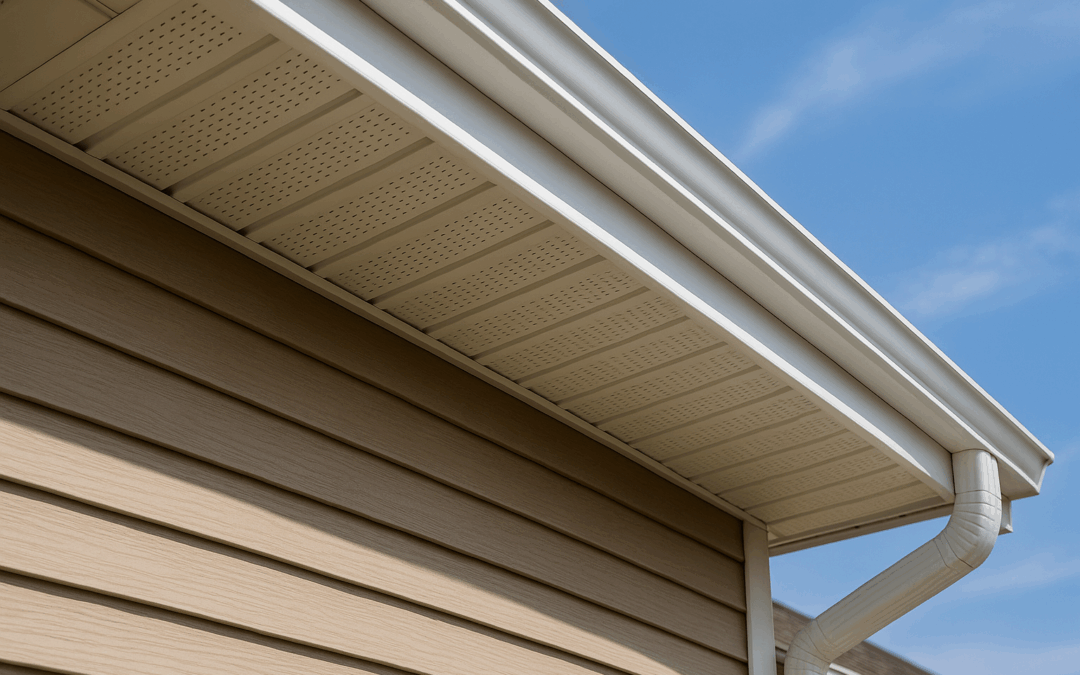
When it comes to maintaining and protecting your home’s exterior in Memphis, Tennessee, understanding every part of your roofing system is essential. One often overlooked but crucial component is the soffit—particularly vinyl soffit, a popular material choice due to its durability, versatility, and low maintenance. At Tiger Gutters, we know how vital it is for homeowners to stay informed about the different aspects of their home’s structure. This article will provide an in-depth look at vinyl soffit—what it is, its benefits, installation considerations, and how it fits into your home’s overall exterior design and functionality.
What Is a Soffit?
The soffit is the material found beneath the roof overhang, closing the space between the roof edge and the exterior wall. Though it may not be the most visible part of your home’s architecture, it plays an important role in ventilation and aesthetics.
Soffits are typically installed horizontally, bridging the gap between the home’s siding and roof edge. In many cases, the soffit contains small perforations or vents that allow for airflow into the attic, helping to regulate temperature and moisture levels, which can otherwise lead to issues like mold, mildew, and roof deck rot.
Why Vinyl Soffit?
1. Durability in Memphis’s Climate
Memphis weather is known for its high humidity in the summer and unpredictable temperature swings throughout the year. Vinyl soffit is a strong choice for this environment because it resists moisture and won’t warp, crack, or rot like wood might. It is also resistant to corrosion, which makes it a long-lasting material for soffits in areas with seasonal rains and fluctuating temperatures.
2. Low Maintenance Requirements
Unlike wood soffit, which may need periodic sanding, painting, or sealing, vinyl soffit requires little maintenance. Most of the time, it can be cleaned with a hose or a mild detergent solution to remove dirt, spider webs, or other debris. This makes it especially appealing to homeowners who prefer minimal upkeep.
3. Ventilation Support
Vinyl soffit panels are often manufactured with perforated sections to allow for ventilation of the attic and roof space. Proper ventilation helps control moisture levels, which can prolong the lifespan of the roofing materials and improve energy efficiency. This is particularly important in Memphis, where high humidity can cause mold or condensation problems in poorly ventilated attics.
4. Aesthetic Appeal
Vinyl soffit is available in a variety of colors, finishes, and textures, including options that mimic the appearance of wood grain. This variety allows homeowners to coordinate their soffit with siding, fascia, and other exterior features. Whether your home has a modern or traditional style, vinyl soffit can blend in seamlessly or even enhance curb appeal.
5. Affordability
As a material, vinyl is generally cost-effective compared to alternatives like aluminum or composite soffit. Its affordability, combined with longevity and minimal maintenance, makes it a practical choice for homeowners looking to protect their home without frequent repairs or replacements.
Types of Vinyl Soffit
Vinyl soffit comes in different styles and configurations to suit both functional and aesthetic needs:
• Solid Soffit
Solid vinyl soffit panels have no perforations and are typically used in areas where ventilation is not necessary, or where a continuous, clean look is desired.
• Vented Soffit
Vented soffit panels include rows of small holes or slits that allow air to flow into the attic. These are essential in creating a balanced ventilation system alongside ridge or roof vents.
• Center-Vented and Fully Vented
Some vinyl soffit products come with only the center portion vented, which strikes a balance between airflow and appearance. Others are fully vented for maximum air circulation, often used in long roof spans or areas prone to excessive heat buildup.
Installation Considerations
Installing vinyl soffit typically involves attaching panels to a wood or metal frame under the eaves. The panels can be cut to fit the length of the eaves and snapped or nailed into place. Channels like J-channel or F-channel may be used to secure edges and provide a clean finish.
While the installation process is relatively straightforward, certain aspects—such as ensuring proper ventilation and accommodating any architectural details—require careful planning. Improper installation can lead to restricted airflow or water intrusion, so it’s essential that the product is fitted correctly.
Common Problems Vinyl Soffit Helps Prevent
- Moisture Buildup: Ventilated vinyl soffit improves airflow, reducing the chance of moisture accumulation and mold growth in attics.
- Pest Intrusion: When installed correctly, vinyl soffit helps seal off access points for insects, rodents, and birds that might otherwise nest in the eaves.
- Roof Damage: Regulating attic temperatures can prevent ice damming in colder months and reduce heat buildup in warmer months, preserving the roofing system.
- Decay and Rot: Unlike wood, vinyl soffit won’t deteriorate over time due to exposure to rain or humidity.
Vinyl Soffit vs. Other Materials
| Feature | Vinyl | Wood | Aluminum |
|---|---|---|---|
| Moisture Resistance | Excellent | Poor | Good |
| Maintenance | Low | High | Moderate |
| Cost | Low to Moderate | High | Moderate |
| Appearance Options | Many | Few | Few |
| Durability | High | Moderate | High |
| Pest Resistance | High | Low | High |
Each material has its own advantages, but vinyl continues to be a popular choice among homeowners in the South, including the Memphis area, due to its performance and ease of care.
How Vinyl Soffit Integrates With Fascia and Gutters
Your home’s soffit, fascia, and gutter system all work together to protect your roof and walls from water damage. The soffit allows airflow, while the fascia board supports the gutters and provides a finished edge. Ensuring all components are aligned and compatible is important for both functionality and appearance.
Improperly functioning or damaged soffit can compromise the ventilation of your attic and even impact how water drains through the gutter system, potentially leading to overflow or backflow issues. While vinyl soffit is low-maintenance, it should still be inspected periodically to ensure everything is intact and performing as expected.
Ideal Applications for Vinyl Soffit
Vinyl soffit is suitable for a variety of residential applications:
- Under eaves and overhangs
- Covered porches or patios
- Carports or exterior ceilings
- Garages and outbuildings
Because of its resistance to moisture and insects, vinyl soffit is a preferred material in high-humidity climates like Memphis, particularly in shaded or poorly ventilated areas where other materials might deteriorate faster.
Final Thoughts
Understanding the role of vinyl soffit is key to protecting your home from the elements while enhancing its overall appearance. From its excellent resistance to moisture and pests to its low-maintenance profile and versatile design options, vinyl soffit continues to be a trusted choice for many homeowners across the country.
While this blog is intended to provide helpful and accurate information, it’s always best to consult with a knowledgeable source when making decisions about your home’s exterior. Tiger Gutters in Memphis, TN encourages homeowners to stay informed and proactive when it comes to property maintenance and upgrades. Whether you’re looking to learn more about ventilation systems or explore exterior materials like soffit and fascia, staying educated is a smart step toward long-term home protection.