
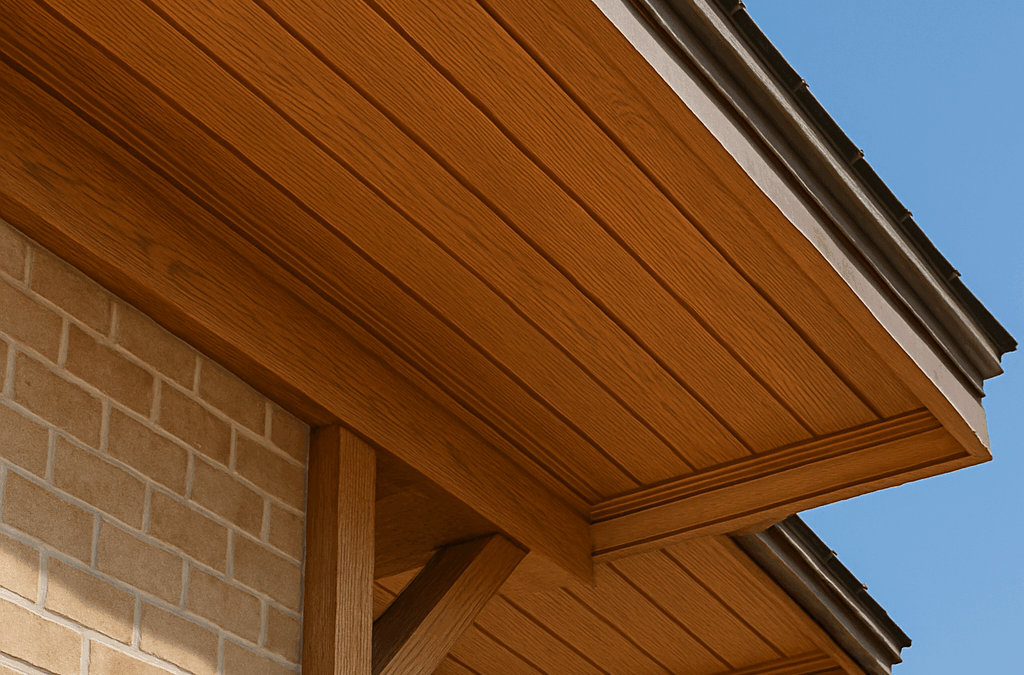
When it comes to protecting and beautifying the underside of your roof’s overhang, few options combine timeless appeal and functionality like a wood soffit. At Tiger Gutters in Memphis, TN, we understand how crucial the right soffit material is for both maintaining structural integrity and enhancing curb appeal. This guide will walk you through everything you need to know about wood soffits—from what they are and why they’re chosen by homeowners, to maintenance considerations and key factors to keep in mind when evaluating or replacing your soffit.
What Is a Wood Soffit?
A soffit is the exposed underside of an architectural overhang, such as eaves or arches. When constructed from wood, soffits are prized for:
- Natural Beauty: Warmth and classic aesthetics that complement traditional and modern homes alike.
- Breathability: Properly designed wood soffits can help ventilate attic spaces, reducing moisture buildup.
- Workability: Wood is easy to cut, shape, and finish, making customization straightforward.
Key Functions of Wood Soffits
- Ventilation
- Wood soffits with vented panels permit airflow into the attic, helping to regulate temperature and prevent moisture-related problems such as mold or rot.
- Protection
- By covering rafter tails and fascia gaps, a wood soffit shields roof structures from pests, rain, and wind-driven debris.
- Aesthetic Appeal
- The grain and finish of wood add depth and character, often considered more upscale compared to aluminum or vinyl alternatives.
Common Wood Species Used for Soffits
- Cedar: Naturally resistant to decay and insect damage, cedar offers a good balance of durability and beauty.
- Pine: More economical, pine can be treated or painted to extend its lifespan, though it may require more maintenance.
- Redwood: High-end choice known for strength and rich color, but often carries a premium price tag.
- Engineered Wood: Composite panels offer consistent dimensions and enhanced moisture resistance, though they lack the authentic grain of solid wood.
Installation Considerations
While this guide is purely informational, homeowners evaluating wood soffit installation should be aware of:
- Ventilation Layout: Decide between continuous strip vents or individual soffit vents to achieve proper airflow.
- Moisture Barriers: A vapor barrier or underlayment may be needed to prevent water infiltration and protect attic insulation.
- Fasteners & Flashing: Stainless-steel or galvanized fasteners help avoid rust; flashing at junctions directs water away from the structure.
- Finish Options: Stains versus paints—stains highlight natural grain while paints offer a wider color palette and can seal the wood surface.
Signs of Wood Soffit Damage
Keeping an eye out for early warning signs can help you plan for maintenance or future replacement:
- Peeling Paint or Stain: Indicates moisture penetration or UV degradation.
- Soft or Spongy Sections: Suggests decay; wood may need to be sampled or probed.
- Warping or Cracking: Temperature and moisture swings can cause dimensional instability.
- Pest Activity: Wasps, carpenter bees, or rodents can penetrate untreated or damaged wood.
Maintenance Tips for Longevity
To preserve both function and appearance:
- Regular Cleaning: Gently wash with a mild detergent solution to remove debris, mold, or pollen.
- Repainting or Restaining: Every 3–5 years, depending on environmental exposure, to seal the wood and refresh its look.
- Inspection Schedule: Twice a year—ideally spring and fall—check for loose panels, damaged vents, or signs of rot.
- Prompt Repairs: Address small cracks or holes with exterior-grade filler, then sand and refinish.
Repair vs. Replacement: What to Consider
- Extent of Damage: Localized rot or insect damage may be spot-repairable, whereas widespread softening or structural issues often necessitate full replacement.
- Budget & Timeline: Repairs can be more cost-effective up front but may incur higher maintenance costs over time.
- Home Style & Value: High-end properties might benefit from the uniform look of a full replacement, ensuring consistent grain and finish.
Environmental & Sustainability Factors
- Sourcing Certifications: Look for wood certified by the Forest Stewardship Council (FSC) to ensure responsible harvesting.
- Recycled or Reclaimed Wood: A sustainable alternative that also adds character and history to your home.
- Life-Cycle Considerations: While wood requires more maintenance than synthetic options, it’s biodegradable and can often be refinished rather than replaced.
Enhancing Curb Appeal with Wood Soffits
A well-chosen and maintained wood soffit can:
- Complement Architectural Details: Highlight molding profiles, accentuate rooflines, and tie together exterior color schemes.
- Elevate Market Perception: Prospective buyers often notice the craftsmanship and perceived quality of wood features.
- Allow Custom Detailing: From beadboard panels to tongue-and-groove planks, customization is limited only by design preferences.
Frequently Asked Questions (FAQs)
Q: How long do wood soffits typically last?
A: With proper finish and maintenance, wood soffits can last 20–30 years or more, though local climate conditions will influence their lifespan.
Q: Can I paint over an existing wood soffit?
A: Yes—after cleaning and minor sanding to ensure adhesion. Primer designed for exterior wood is recommended.
Q: Are there low-maintenance alternatives to solid wood soffits?
A: Engineered wood panels or fiber cement boards mimic wood aesthetics with reduced upkeep, though they may lack the warmth of natural grain.
Conclusion
Wood soffits offer a unique combination of natural beauty, effective ventilation, and protective function for homes in the Memphis area. While they require routine inspection and maintenance, their warmth and architectural versatility make them a standout choice for many homeowners. If you’re exploring soffit materials or simply wish to learn more about how wood soffits perform, Tiger Gutters is here to provide information and answer your questions—without any commitments or promises, just a dedication to helping you make an informed decision.