
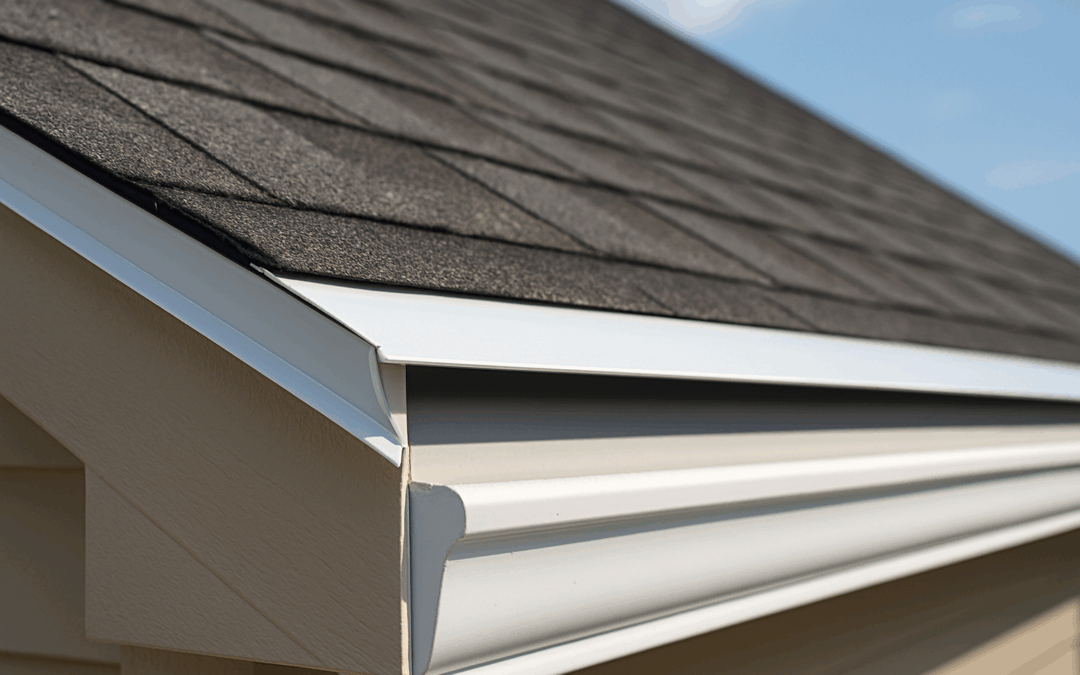
When it comes to protecting your home from water damage, every component of your roof and gutter system plays a crucial role. At Tiger Gutters in Memphis, TN, we’ve seen first-hand how the simple addition of a gutter drip edge can make a significant difference in directing rainwater away from vulnerable areas. In this comprehensive guide, we’ll explore what gutter drip edge is, why it matters, the materials and styles available, installation considerations, maintenance tips, and how Memphis’s unique climate factors in—purely from an informational standpoint.
Understanding Gutter Drip Edge
What Is a Drip Edge?
A drip edge is a metal flashing installed along the roof’s edge, extending slightly beyond the fascia and gutter line. Its primary function is to channel rainwater off the roof and into the gutters, preventing water from seeping under the roof deck or running down the fascia board.
Key Components
- Material: Typically aluminum, galvanized steel, or copper.
- Profile: L-shaped or T-shaped flashings designed to sit neatly under the shingles.
- Dimensions: Standard widths range from 2 to 4 inches for the horizontal flange and 1 to 2 inches for the vertical face.
Functions and Benefits of Gutter Drip Edge
1. Prevents Water Intrusion
Without a proper drip edge, rainwater can travel behind the fascia or under shingles, leading to rot, mold growth, and decking damage.
2. Protects Fascia and Soffit
By directing water into the gutter channel, drip edge helps keep the fascia board and soffit dry—critical in avoiding structural decay.
3. Reduces Ice Damming
In colder months, drip edge can help mitigate ice formation at the roof edge by allowing meltwater to flow cleanly into gutters rather than refreezing under the shingles.
4. Enhances Gutter Performance
A well-installed drip edge ensures that water flows smoothly into gutters, reducing splash-back onto siding and landscaping.
Materials and Styles of Drip Edge
Common Materials
- Aluminum: Lightweight, corrosion-resistant, and available in pre-painted finishes.
- Galvanized Steel: Strong and durable but may require more frequent painting or coating to prevent rust.
- Copper: Premium option that develops a natural patina over time; used primarily for historic or high-end homes.
Style Variations
- Type A: Simple, straight-flange drip edge that sits under the first course of shingles.
- Type B: Features a hemmed edge for added strength and a cleaner appearance.
- Type C: Combines drip edge with integrated gutter bead for seamless water capture.
Installation Considerations
Underlayment and Shingle Integration
Drip edge must be installed beneath the underlayment and shingles at the eaves, and on top of underlayment at the rakes (gable ends). This ensures a water-tight seal.
Fastening Methods
- Nails or Screws: Corrosion-resistant fasteners spaced every 8–10 inches.
- Sealants: A compatible roofing sealant can be applied at the joints to prevent water infiltration.
Compatibility with Existing Gutters
Before retrofitting a drip edge, measure the gutter lip and fascia projection to ensure proper clearance and avoid interference with gutter hangers.
Maintenance and Inspection Tips
Routine Inspections
- Frequency: Twice a year—in spring after pollen season and in fall before heavy rains.
- What to Look For: Loose fasteners, bent or deformed flashings, gaps between drip edge sections.
Cleaning Procedures
- Debris Removal: Clear leaves, pine needles, and other debris that can accumulate at the roof edge.
- Rust and Corrosion Checks: For steel drip edge, inspect paint or galvanization; touch up as needed.
Repair Guidelines
Small gaps or separations can often be addressed with roofing sealant. For bent or severely damaged sections, replacement is typically the best option.
The Impact of Memphis’s Climate on Drip Edge Performance
High Humidity and Heavy Rains
Memphis’s humid subtropical climate brings frequent thunderstorms and heavy rainfall, making efficient roof drainage essential. A properly installed drip edge helps prevent water from seeping into vulnerable roof components during downpours.
Occasional Ice and Freezing Temperatures
While winters are generally mild, Memphis can experience freezing rain or light ice storms. Drip edge helps guide melting ice off the roof and into the gutter system, reducing the risk of ice damming.
UV Exposure and Material Durability
Southern sun can accelerate the aging of metal components. Choosing a UV-resistant finish and periodically inspecting for paint chalking or fading can prolong the drip edge’s lifespan.
Frequently Asked Questions (FAQ)
Q1: Can I install drip edge myself?
Drip edge installation involves working at roof level and integrating with roofing underlayment and shingles. For safety and proper integration, professional guidance or assistance is recommended.
Q2: How much does drip edge cost?
Costs vary based on material, profile type, and project size. Typical materials range from $1.50 to $4.00 per linear foot.
Q3: Does every home need drip edge?
Most modern roofing codes require drip edge to maintain roof integrity and ensure proper drainage. Homes without drip edge may be at higher risk of water damage over time.
Conclusion
Understanding the role and benefits of gutter drip edge is vital for homeowners looking to protect their investment and maintain roof health. While this guide has covered the fundamentals—materials, installation considerations, maintenance, and climate factors—further exploration may be warranted based on your specific roof type and local conditions. At Tiger Gutters, we’re committed to sharing knowledge that helps homeowners make informed decisions.
By staying informed about components like drip edge, you can better preserve your home’s structural integrity and avoid costly repairs down the road. For more informational resources or to explore potential roof and gutter upgrades, extend your research into local building codes or manufacturer guidelines—always with the goal of keeping your roof system functioning at its best.