
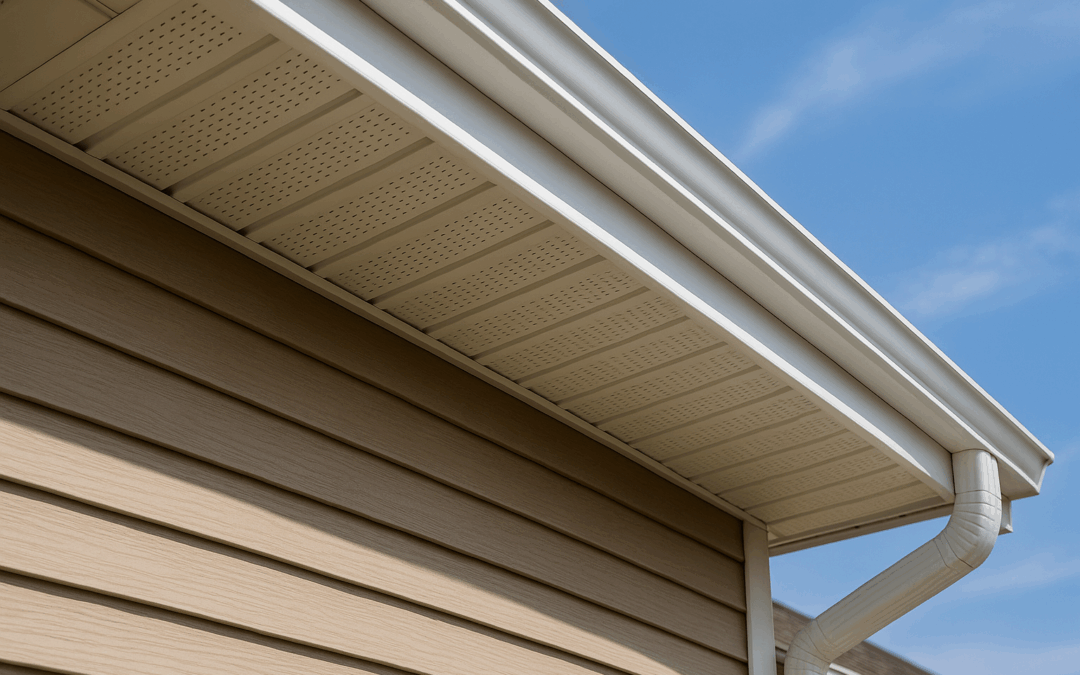
Vinyl soffit plays a vital role in protecting your home’s roofline and ensuring proper attic ventilation. At Tiger Gutters, based in Memphis, TN, we know that selecting the right soffit material can help homeowners maintain a durable, low-maintenance exterior. In this in-depth guide, we’ll explore everything you need to know about vinyl soffit—from its composition and benefits to installation considerations and long-term care.
What Is Vinyl Soffit?
Vinyl soffit is a lightweight, synthetic cladding material designed to cover the underside of roof overhangs (soffits). Typically extruded from PVC (polyvinyl chloride), these panels come in various profiles—flat, vented, and beadboard—to suit different aesthetic and functional needs.
- Flat Panels: Smooth, continuous look
- Vented Panels: Integrated vents for airflow
- Beadboard Panels: Decorative grooves for a classic appearance
Key Benefits of Vinyl Soffit
- Durability
- Resistant to moisture, rot, and insect damage
- Does not warp, crack, or peel under normal weather conditions
- Low Maintenance
- Easy to clean with a simple rinse of water
- No painting required—color is consistent throughout the panel
- Cost-Effectiveness
- Generally more affordable than wood, fiber cement, or aluminum options
- Long lifespan reduces the need for frequent replacement
- Aesthetic Versatility
- Wide range of colors and styles
- Can be matched to existing fascia, sidings, and trim
- Improved Ventilation
- Vented panels promote airflow in the attic
- Helps prevent moisture buildup and reduces risk of mold growth
Understanding Memphis Climate Considerations
Memphis’s hot, humid summers and occasional severe storms make material selection critical:
- Heat Resistance: Vinyl soffit tolerates high temperatures without degradation.
- Moisture Management: Proper vented soffit helps mitigate humidity in the attic space, reducing heat transfer and moisture accumulation.
- Storm Durability: While vinyl is not shatterproof, modern formulations include UV stabilizers and impact modifiers for enhanced performance.
Types of Vinyl Soffit Profiles
| Profile | Description | Ideal Use |
|---|---|---|
| Flat | Smooth surface, no perforations | Full soffit coverage, clean look |
| Vented | Small perforations across the panel to allow air circulation | Attic ventilation |
| Beadboard | Decorative grooves mimic traditional beadboard planks | Porches, patios, architectural detail |
| Perforated | Larger perforations for increased airflow | High-ventilation needs |
Installation Considerations
Proper installation is crucial for maximizing the benefits of vinyl soffit:
- Measurement & Layout
- Measure the span of each soffit run accurately.
- Plan panel orientation to minimize seams.
- Ventilation Requirements
- Determine your attic’s ventilation needs based on roof pitch and insulation levels.
- Balance soffit vents with ridge vents for optimal airflow.
- Underlayment & Furring Strips
- Use corrosion-resistant nails or screws.
- Install furring strips if existing framing is uneven.
- Expansion Gaps
- Leave recommended gaps at each end of the panel (usually 1/4″ to 3/8″) to accommodate thermal expansion and contraction.
- Trim & Flashing
- Use J-channels and fascia trim to secure panel edges.
- Seal joints where soffit meets exterior walls to deter pests.
Maintenance Tips for Vinyl Soffit
Maintaining vinyl soffit is straightforward but still benefits from routine attention:
- Regular Cleaning:
- Wash once or twice a year with a garden hose or mild detergent solution.
- Inspection:
- Check for loose panels or fasteners after storms.
- Look for debris in vents that could impede airflow.
- Minor Repairs:
- Replace individual panels if cracked or damaged.
- Use matching color and profile to retain a uniform appearance.
Common Vinyl Soffit Issues and Troubleshooting
| Issue | Possible Cause | Recommended Action |
|---|---|---|
| Sagging Panels | Insufficient fastening or loose fasteners | Re-secure panels with corrosion-resistant fasteners |
| Cracking in Cold Weather | Brittleness at low temperatures | Select cold-weather–rated vinyl or switch to a more flexible profile |
| Discoloration or Fading | Prolonged UV exposure | Opt for vinyl with UV inhibitors; clean annually |
| Pest Intrusion | Gaps at seams or edges allowing entry | Seal gaps with foam backer rod or insect screen |
Comparing Vinyl Soffit to Other Materials
- Wood Soffit:
- Pros: Traditional look, easy to paint
- Cons: Requires regular painting and is prone to rot
- Aluminum Soffit:
- Pros: Stronger impact resistance, fireproof
- Cons: Can dent, may require repainting over time
- Fiber Cement Soffit:
- Pros: Extremely durable, termite-resistant
- Cons: Heavier, more labor-intensive installation
Vinyl often strikes the best balance for Memphis homeowners seeking durability, affordability, and low maintenance.
Cost Factors to Consider
While prices vary by region and dealer, here are some factors influencing total project cost:
- Panel Profile: Vented or specialty profiles may carry a premium.
- Quality of Vinyl: Higher-grade PVC with UV stabilizers costs more but lasts longer.
- Installation Complexity: High soffits, irregular overhangs, or removal of old soffit add labor hours.
- Accessories & Trim: J-channel, fascia trim, and fasteners can add 10–15% to material expenses.
Environmental and Energy-Efficiency Impacts
- Improved Ventilation: Properly vented soffit contributes to attic cooling, potentially reducing air-conditioning loads.
- Recyclability: Some vinyl soffit products are recyclable at end of life.
- Manufacturing Footprint: PVC production has environmental considerations—look for manufacturers with eco-certifications.
Frequently Asked Questions
- How long does vinyl soffit typically last?
With quality materials and proper installation, vinyl soffit can last 20–30 years or more. - Can I paint vinyl soffit if I want a different color?
Vinyl is designed to retain its factory color. Painting can lead to cracking or fading over time. - Is vented soffit necessary?
For most attic configurations, yes. It balances airflow with ridge or roof vents to manage heat and moisture. - How soon after installation can I expect full performance?
Vinyl soffit provides immediate weather resistance and ventilation once installed.
Conclusion
Vinyl soffit offers Memphis homeowners an attractive, low-maintenance solution for protecting roof overhangs and optimizing attic ventilation. From understanding the different profiles and climate considerations to learning about installation best practices and upkeep, this guide has covered the essential information you need. Whether you’re exploring soffit options for a new home or planning to replace your existing material, the knowledge here will help you make an informed choice. For additional insights specific to the Memphis area, reach out to Tiger Gutters—we’re here to share our expertise in gutter and roofline components without any obligation.