
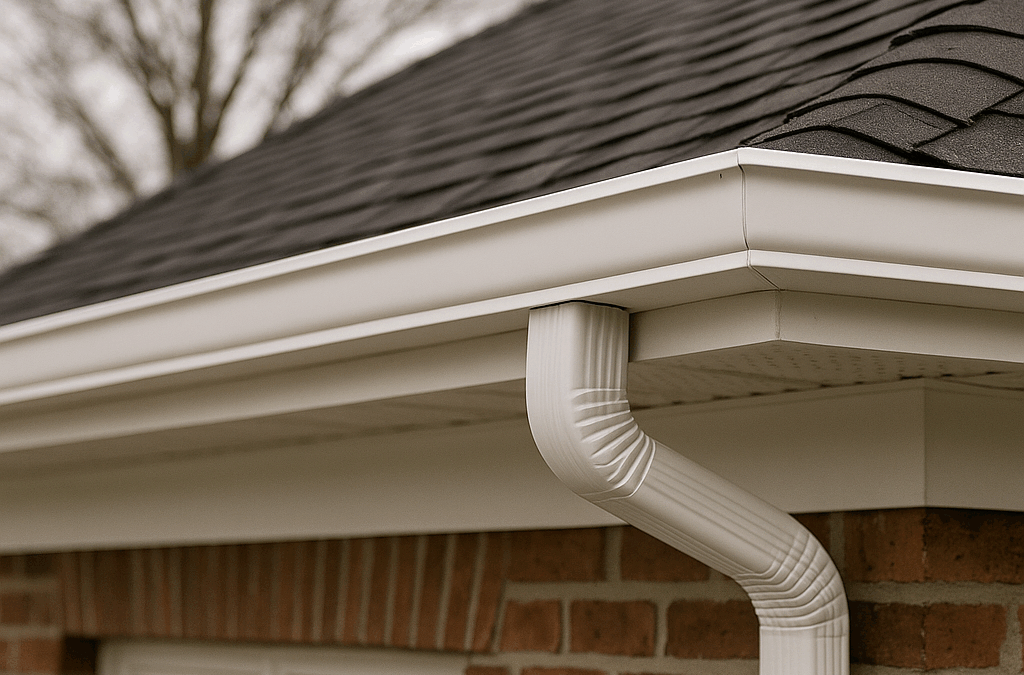
Memphis, Tennessee homeowners considering gutter replacement or new gutter installation frequently encounter the term “seamless gutters” and wonder what distinguishes these systems from traditional sectional gutters. Seamless gutters have become the predominant choice in residential gutter installations throughout the Memphis region, yet many property owners remain unclear about what makes them different, why they offer advantages, and whether the distinctions matter for homes in Memphis’s specific climate conditions. Tiger Gutters observes that Memphis-area homeowners who understand seamless gutter characteristics, manufacturing processes, performance benefits, and potential limitations make better-informed decisions about protecting their properties from water damage while selecting gutter systems best suited to their specific needs and circumstances.
Understanding Seamless Gutter Construction
Seamless gutters, despite their name, aren’t entirely without seams—rather, they feature continuous gutter runs along each roof edge without the joints and connections that characterize traditional sectional gutter systems. The key distinction lies in manufacturing and installation methods. Traditional sectional gutters come in pre-cut lengths, typically 10 feet, that installers connect together using various joining hardware including slip joints, mitered corners, and sealing compounds. These connection points create multiple potential leak locations along each gutter run. Seamless gutters, by contrast, are manufactured on-site using specialized equipment that forms continuous gutter sections from flat metal coil stock, creating custom-length runs precisely matching each roof edge without intermediate joints.
The seamless gutter manufacturing process involves portable roll-forming machines that contractors transport to job sites. These machines feed flat aluminum, steel, or copper coil through a series of rollers that progressively shape the flat metal into the distinctive gutter profile—typically K-style or half-round designs. As the metal passes through the machine, it emerges as a continuous formed gutter section in whatever length the specific roof edge requires, up to the practical limits of material handling, typically around 100 feet or more. This on-site custom fabrication allows creating gutter runs that span entire roof edges without joints, with seams occurring only at corners where different roof edges meet and at downspout outlet locations.
The term “seamless” specifically refers to the absence of seams along straight gutter runs, not the complete elimination of all connections. Every gutter system requires corners connecting perpendicular roof edges, end caps closing gutter ends, and downspout outlets where gutters connect to vertical downspout components. Even in seamless systems, these necessary connections remain as potential leak points, though far fewer exist compared to sectional systems requiring joints every 10 feet along straight runs.
Why Memphis’s Climate Makes Seamless Gutters Advantageous
Memphis’s humid subtropical climate receiving approximately 54 inches of annual rainfall creates conditions where seamless gutter advantages become particularly meaningful. The city experiences frequent intense thunderstorms delivering high-volume rainfall that places tremendous stress on gutter systems. During these intense precipitation events, water flows through gutters at maximum capacity, creating significant hydraulic pressure at every joint and connection. Traditional sectional gutters with joints every 10 feet experience this pressure repeatedly at multiple points along each run, progressively stressing seals and connections. Over time, these repeated stress cycles cause joint failures, developing leaks that worsen with each subsequent storm.
Seamless gutters, lacking intermediate joints along straight runs, eliminate these multiple stress points where sectional systems most commonly fail. The continuous metal construction distributes hydraulic forces throughout the entire gutter length rather than concentrating stress at joint locations. This fundamental structural advantage translates directly to improved long-term reliability and reduced leak development, particularly valuable in Memphis where frequent heavy rainfall creates numerous high-stress events annually.
Memphis’s elevated humidity between rain events affects sectional gutter performance negatively. Water trapped at joint locations in sectional systems remains after rainfall ends, maintaining persistent moisture at connections where different gutter sections meet. This standing water accelerates corrosion at joints, degrades sealants, and promotes debris accumulation at connection points where gutter profile interruptions trap leaves and organic material. Seamless gutters, with smooth continuous interiors along straight runs, allow more complete drainage and easier cleaning, reducing opportunities for standing water and trapped debris that accelerate deterioration.
Summer heat in Memphis affects gutter systems through thermal expansion and contraction. Metal gutters expand during hot days and contract during cooler nights, creating dimensional changes. In sectional systems, these thermal movements stress joints repeatedly, progressively loosening connections and degrading seals. Seamless gutters accommodate thermal expansion more effectively because continuous metal sections flex and move as single units without joints that must repeatedly flex, compress, and expand with temperature cycles.
Performance Benefits of Seamless Construction
The most significant advantage seamless gutters offer involves dramatically reduced leak potential. Traditional sectional gutters create potential leak points every 10 feet where sections connect, plus additional vulnerability at corners and outlets. A typical home might have 120-150 feet of gutter, translating to 12-15 joints along straight runs in sectional systems, each representing a potential failure point. Seamless systems eliminate these intermediate joints entirely, reducing total potential leak locations by 60-80 percent depending on home configuration. Fewer leak points directly translates to improved long-term reliability and reduced maintenance requirements.
Improved structural integrity represents another meaningful benefit. Continuous metal construction provides greater strength and rigidity compared to segmented systems relying on joint hardware for structural continuity. This enhanced strength better resists sagging under debris weight, reduces deflection during heavy water flow, and provides superior wind resistance. The structural advantages prove particularly valuable during Memphis’s severe weather events including high winds and heavy precipitation.
Enhanced appearance appeals to homeowners concerned with curb appeal and property value. Seamless gutters create clean, continuous lines along roof edges without the visual interruptions that sectional gutter joints create. The smooth professional appearance contributes to overall home aesthetics, particularly noticeable on front-facing elevations where gutter visibility is greatest. Many homeowners consider appearance secondary to function, yet appreciate the aesthetic benefits seamless systems provide.
Reduced maintenance requirements result from fewer joints collecting debris and reduced leak potential requiring repairs. While all gutters need periodic cleaning regardless of construction type, seamless systems generally require less frequent attention to joint maintenance, re-sealing, and leak repairs that sectional systems demand. Over decades of service, this reduced maintenance translates to meaningful time and cost savings.
Seamless Gutter Material Options
Aluminum represents the most common seamless gutter material in Memphis residential applications. Aluminum offers excellent corrosion resistance crucial in humid climates, light weight simplifying installation, moderate cost making it accessible to most budgets, and availability in numerous colors allowing coordination with home exteriors. Standard aluminum gutter thickness measures .027 inches, though premium .032-inch material provides enhanced durability and rigidity. Aluminum’s natural oxide coating prevents rust, and factory-applied paint finishes provide color while enhancing weather resistance.
Steel seamless gutters, typically galvanized, offer superior strength and rigidity compared to aluminum. The enhanced structural properties benefit larger homes or areas subject to heavy snow loads, though Memphis’s climate makes snow loading minimal concern. Steel’s primary disadvantage involves greater susceptibility to rust if protective coatings become damaged, making it less ideal for Memphis’s humid conditions compared to aluminum. Steel gutters also weigh considerably more than aluminum, affecting installation complexity and structural load considerations.
Copper seamless gutters represent premium options delivering exceptional longevity, distinctive appearance, and natural antimicrobial properties. Copper develops attractive patina over time, transitioning from bright metallic to brown and eventually blue-green, creating unique character. Copper costs significantly more than aluminum or steel, making it practical primarily for high-end homes or when matching existing copper roofing elements. The material’s natural corrosion resistance and durability make it virtually maintenance-free regarding rust or deterioration concerns.
Installation Considerations and Limitations
Seamless gutter installation requires specialized equipment that professional contractors own and operate. The portable roll-forming machines necessary for on-site gutter fabrication represent significant capital investments, typically costing $15,000-$40,000 depending on capabilities. This equipment requirement means seamless gutters aren’t practical for DIY installation—homeowners must engage professional contractors possessing appropriate machinery and expertise. This contrasts with sectional gutters that homeowners can purchase at building supply stores and install themselves, though professional installation remains advisable regardless of gutter type.
Custom fabrication for each home creates another distinction. Because contractors manufacture seamless gutters on-site to precise measurements, each installation is inherently custom work. This customization ensures perfect fit but eliminates the standardization that makes sectional systems more predictable in cost and availability. Homeowners should expect professional measurement, quotation, and scheduled installation rather than same-day availability that sectional materials might offer.
Length limitations exist even for seamless systems. While individual gutter sections can be fabricated in very long lengths, practical handling considerations typically limit single-piece runs to about 100 feet maximum. Most residential roof edges fall well within this limit, allowing true seamless coverage, but extremely long runs on commercial or large residential structures might require intermediate joints even in “seamless” systems.
Cost Considerations
Seamless gutters typically cost more than sectional systems on a per-foot installed basis. Material costs are generally comparable, but the specialized equipment requirements, professional installation necessity, and custom fabrication process increase labor costs compared to sectional system installation. Homeowners should expect seamless gutter installation to cost roughly 10-30 percent more than comparable sectional systems depending on specific circumstances, materials selected, and local market conditions.
However, total cost of ownership over gutter system lifespan often favors seamless construction. The reduced leak potential, lower maintenance requirements, and longer service life before replacement becomes necessary can offset higher initial installation costs. When evaluating options, considering long-term value rather than just upfront expense provides more complete financial perspective.
Maintenance Requirements
While seamless gutters require less maintenance than sectional systems regarding joint inspection and re-sealing, they still need regular cleaning and periodic evaluation. Seamless construction doesn’t prevent debris accumulation—leaves, twigs, and organic material still collect in gutters regardless of construction type. Memphis homeowners with seamless gutters should maintain the same cleaning schedules appropriate for their specific circumstances, typically twice annually at minimum, with additional cleanings if heavy tree coverage deposits substantial debris.
Corner connections, end caps, and downspout outlets in seamless systems still require periodic inspection for potential leaks or damage. While far fewer vulnerable points exist compared to sectional systems, the connections that do exist need attention. Annual inspection identifying small problems before they become serious damage remains advisable regardless of gutter construction type.
Conclusion
Seamless gutters represent an advanced gutter system design offering meaningful performance advantages for Memphis, Tennessee homes, particularly given the region’s substantial rainfall, frequent intense storms, and humid climate conditions that stress traditional sectional gutter systems. Tiger Gutters recognizes that Memphis-area homeowners benefit from understanding what seamless construction means, how it differs from sectional alternatives, and what specific advantages the continuous design provides under local climate conditions. While seamless gutters require professional installation using specialized equipment and typically cost more initially than sectional alternatives, the reduced leak potential, improved structural integrity, enhanced appearance, and lower long-term maintenance requirements make them an excellent choice for homeowners prioritizing long-term value and reliable performance protecting their properties from water damage throughout decades of Memphis weather exposure.