
Introduction
When it comes to protecting your home’s foundation, roof, and exterior walls from water damage, many Memphis homeowners focus on their gutters and downspouts—but they often overlook a critical component: the gutter drip edge. This small yet vital piece of trim plays an enormous role in directing water away from your home’s structure and preventing costly damage. Tiger Gutters in Memphis, TN understands that a comprehensive gutter system requires more than just gutters themselves; it demands proper installation of drip edge to ensure maximum protection against Tennessee’s unpredictable weather patterns.
What Is a Gutter Drip Edge?
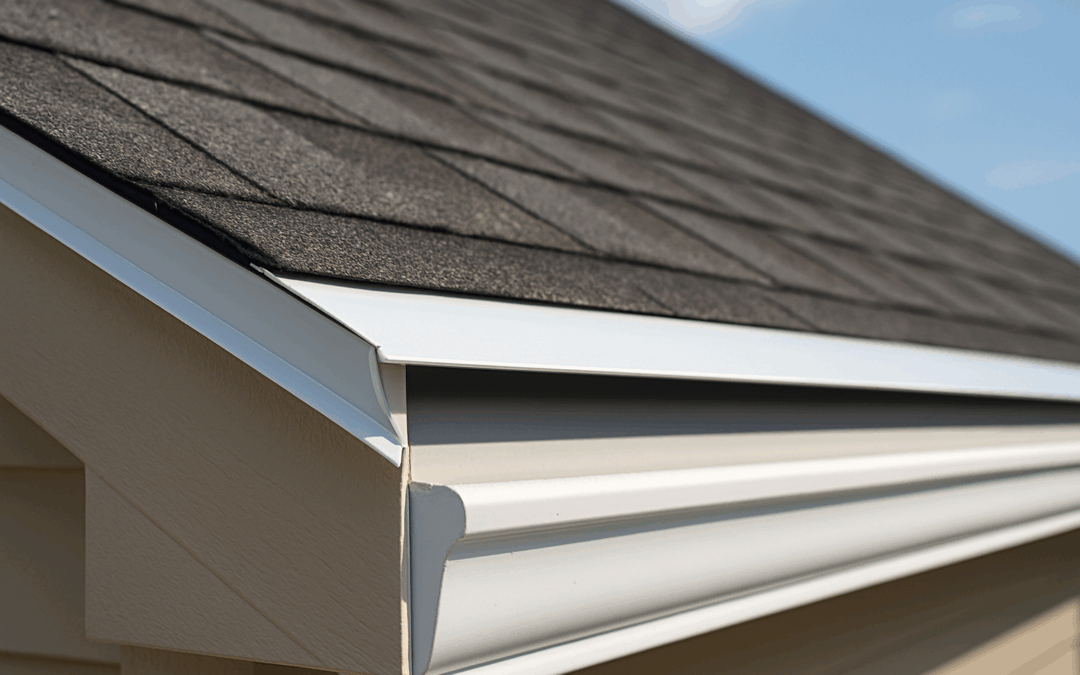
A gutter drip edge, also known as a drip cap or edge flashing, is a metal trim piece installed along the lower edge of your roof’s fascia board, positioned where the roof meets the gutter system. Typically made from aluminum, steel, or galvanized metal, the drip edge features a distinctive L-shape or angle that directs water flow into the gutter rather than behind it or down the fascia board.
The drip edge serves as a critical interface between your roofing system and your gutter system. Without it, water that runs off your roof can bypass your gutters entirely, running down the fascia board, soffit, and into the spaces between your roof decking and walls. This seemingly minor oversight can lead to significant structural damage over time, making proper drip edge installation and maintenance essential for any homeowner.
Why Gutter Drip Edge Matters in Memphis
Memphis experiences a humid subtropical climate with significant rainfall, particularly during spring and early summer. The city averages around 50 inches of precipitation annually, with frequent thunderstorms that can deliver heavy downpours in short periods. Additionally, the region’s weather can be unpredictable—winters occasionally bring ice storms, while summer months bring intense heat that can cause expansion and contraction of building materials.
For Memphis homeowners, this means water management is not optional; it’s a necessity. Proper gutter drip edge installation becomes even more critical when considering the age of many Memphis homes and the varying roof pitches found throughout the city. Without adequate drip edge protection, water intrusion can compromise your home’s structural integrity, leading to rot, mold growth, and expensive repairs.
The Key Functions of Gutter Drip Edge
Directing Water Flow
The primary function of a drip edge is to guide water directly into your gutter system rather than allowing it to flow down the fascia board. This simple redirection prevents water from accumulating in areas where it can cause damage.
Protecting the Fascia Board
Your fascia board serves as the vertical trim that connects your roof to your gutter system. Without drip edge protection, water continuously washes down this board, leading to rot, deterioration, and eventual failure. A quality drip edge acts as a barrier, keeping the fascia dry and extending its lifespan significantly.
Preventing Soffit Damage
The soffit—the horizontal trim under your eaves—is particularly vulnerable to water damage. When water bypasses gutters and runs down the fascia, it inevitably reaches the soffit, causing wood rot, paint failure, and structural compromise. Drip edge prevents this cascading water damage.
Protecting Roof Decking
Water that gets behind your gutters can seep into the spaces between your roof decking and walls, creating conditions ideal for rot and mold growth. Drip edge prevents water from reaching these vulnerable areas, protecting the structural integrity of your entire roof system.
Extending Gutter Lifespan
When water is properly directed into gutters rather than behind them, your gutter system experiences less stress and deterioration. This extends the life of your gutters and reduces maintenance needs over time.
Common Problems Caused by Missing or Damaged Drip Edge
Fascia Rot and Deterioration
Without drip edge protection, fascia boards experience constant moisture exposure. Over time, this leads to wood rot, which compromises both the appearance and structural integrity of your home’s exterior.
Soffit Damage and Mold Growth
Water running down the fascia inevitably affects the soffit, leading to paint peeling, wood deterioration, and conditions conducive to mold growth—a serious health concern for Memphis homeowners.
Water Intrusion into Attic and Walls
Improperly directed water can seep behind your fascia board and into the spaces between your roof decking and exterior walls. This moisture intrusion can lead to hidden mold growth, wood rot in structural components, and expensive remediation.
Foundation Issues
When water isn’t properly managed at the roofline, it eventually reaches the ground around your foundation. Consistent moisture exposure around your foundation can lead to settlement issues, cracks, and structural problems.
Pest Infestations
Damaged fascia and soffit create entry points for insects, rodents, and other pests. These gaps also provide nesting sites for birds and other wildlife, creating additional headaches for homeowners.
Types of Drip Edge Materials
Aluminum Drip Edge
Aluminum is the most common choice for residential drip edge installation. It’s lightweight, affordable, durable, and resists rust. Aluminum drip edge can be painted to match your home’s exterior and typically lasts 20+ years with proper installation.
Steel Drip Edge
Galvanized or painted steel drip edge offers superior strength and durability compared to aluminum. While slightly more expensive, steel drip edge is an excellent choice for homes in areas with severe weather or homes requiring maximum protection.
Copper Drip Edge
Copper drip edge is a premium option that offers exceptional durability and aesthetic appeal. While significantly more expensive than aluminum or steel, copper develops a beautiful patina over time and can last 50+ years, making it an excellent investment for high-end homes.
Signs Your Drip Edge Needs Attention
Visible Rot on Fascia or Soffit
If you notice wood rot, soft spots, or deterioration on your fascia board or soffit, it may indicate inadequate drip edge protection or damaged drip edge that needs replacement.
Water Stains on Exterior Walls
Water stains below your gutters and fascia can indicate that water is bypassing your gutter system, suggesting drip edge issues.
Peeling Paint on Fascia
Paint peeling from your fascia board often indicates moisture problems caused by water running down the fascia rather than into the gutter.
Mold or Mildew Growth
Any visible mold or mildew on your soffit or fascia indicates moisture intrusion that proper drip edge installation should prevent.
Sagging Gutters
If your gutters are sagging or pulling away from your fascia, it may indicate water damage to the fascia board caused by inadequate drip edge protection.
Drip Edge Installation Considerations
Proper drip edge installation is critical to its effectiveness. The drip edge should be installed at the point where the roof decking meets the fascia board, with the upper edge tucked under the roofing material and the lower edge extending over the fascia and into the gutter. Installation timing matters—drip edge is ideally installed during new roof construction or roof replacement, though it can be added to existing roofs during repairs.
Professional installation ensures that the drip edge is properly secured, sealed, and aligned to effectively direct water flow. Improper installation can result in gaps or misalignment that compromise its protective function.
Maintenance and Inspection
While drip edge requires minimal maintenance compared to other roofing components, regular inspection is important. During spring and fall gutter cleaning and inspection, homeowners should check for:
- Separation or gaps between drip edge and fascia board
- Rust or corrosion on metal drip edge
- Paint failure or coating damage
- Debris accumulation that might prevent proper water flow
- Signs of water damage on adjacent fascia or soffit
Conclusion
The gutter drip edge is a small component that plays an enormous role in protecting your Memphis home from water damage. By properly directing water from your roof into your gutter system, drip edge prevents costly damage to fascia boards, soffits, roof decking, and foundations. For Memphis homeowners dealing with the region’s humid subtropical climate and regular rainfall, ensuring proper drip edge installation and maintenance is a smart investment in long-term home protection. Tiger Gutters in Memphis recognizes the importance of comprehensive gutter system protection, and understanding the role of drip edge helps homeowners make informed decisions about their home’s water management needs.