
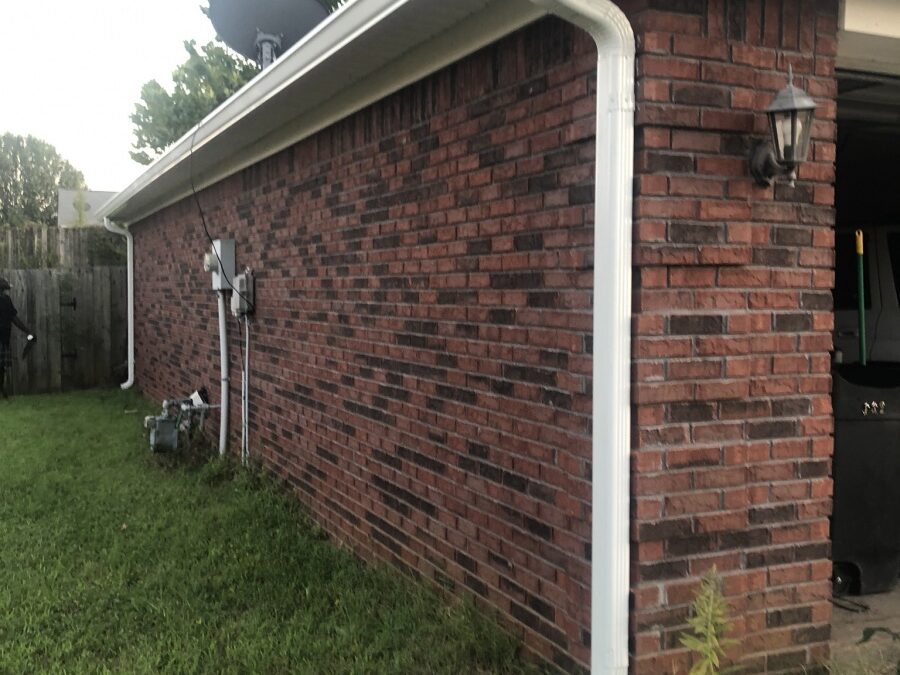
Vinyl soffit has become the predominant soffit material choice for residential construction and renovation projects throughout Memphis, replacing traditional wood soffits in new construction and serving as the preferred replacement option when wood soffits deteriorate beyond practical repair, yet many homeowners lack comprehensive understanding of what vinyl soffit actually is, how it differs from wood alternatives, what specific advantages it offers for Memphis’s humid climate conditions, what limitations it presents, and what homeowners should know about installation quality factors that determine long-term performance. Understanding vinyl soffit composition and manufacturing, the functional roles soffits serve regardless of material, specific benefits vinyl offers in humid subtropical climates like Memphis where biological decay and moisture damage challenge wood materials, potential drawbacks and limitations vinyl presents, installation considerations affecting performance and longevity, and maintenance requirements for vinyl soffit systems provides homeowners with knowledge necessary for making informed decisions about soffit material selection during new construction, renovation projects, or wood soffit replacement situations. Tiger Gutters in Memphis, TN presents this comprehensive educational resource explaining vinyl soffit fundamentals, performance characteristics specific to Memphis’s environmental conditions, comparative advantages relative to wood alternatives, installation quality factors, and practical information homeowners should understand about vinyl soffit systems.
Understanding Vinyl Soffit Composition and Purpose
Vinyl soffit consists of extruded polyvinyl chloride (PVC) panels manufactured specifically for installation beneath roof overhangs as the exposed horizontal surface visible when looking upward at eaves where roofing extends beyond exterior walls. The material is the same PVC polymer used for vinyl siding, though soffit panels feature different profiles, dimensions, and ventilation configurations appropriate for their specific application. Manufacturing processes extrude heated PVC resin through precision dies that create the desired panel profile, with pigments added during manufacturing to produce color throughout the material thickness rather than applied as surface coatings. This through-color manufacturing means scratches or minor surface damage doesn’t expose different-colored substrate as would occur with painted materials.
Vinyl soffit panels typically feature either solid non-vented profiles for areas where attic ventilation isn’t needed, fully vented profiles with perforations across the entire panel surface for maximum ventilation capacity, or partially vented profiles with perforated center sections and solid edges. Panel widths commonly range from twelve to sixteen inches, with lengths available from twelve feet for standard applications to custom lengths for specific projects. Panel thickness typically ranges from . 040 to .046 inches, with heavier gauge materials offering improved rigidity and impact resistance compared to thinner economy products.
The fundamental purposes vinyl soffit serves mirror those of wood soffit—providing finished aesthetic appearance to roof overhangs, protecting roof framing members from weather exposure, and facilitating attic ventilation when vented profiles are used. The critical difference lies not in function but in material characteristics affecting durability, maintenance requirements, moisture resistance, and longevity. Understanding these material-specific performance differences helps homeowners evaluate whether vinyl soffit represents the optimal choice for their specific situation and priorities.
Modern vinyl soffit manufacturing includes various enhancements compared to early products introduced in the 1960s and 1970s. Contemporary formulations incorporate UV stabilizers that dramatically improve resistance to sunlight degradation and color fading that plagued early vinyl products. Impact modifiers improve resistance to cracking from physical impacts or temperature-related brittleness. Processing refinements produce more consistent wall thickness, improved surface finish quality, and better dimensional stability. These advancements mean current vinyl soffit products perform significantly better than products manufactured even twenty years ago, though quality still varies substantially between economy-grade and premium products from reputable manufacturers.
Memphis Climate Factors Favoring Vinyl Soffit
Memphis’s humid subtropical climate creates environmental conditions where vinyl soffit’s material characteristics provide specific performance advantages compared to wood alternatives vulnerable to moisture-related deterioration.
High relative humidity throughout much of the year—regularly exceeding seventy percent during summer months—creates conditions where wood soffits struggle with moisture absorption, fungal colonization, and progressive decay. Vinyl, being a synthetic polymer material, is completely impervious to moisture absorption regardless of humidity levels. The material neither absorbs water vapor from humid air nor wicks liquid water from direct precipitation contact. This moisture immunity eliminates the entire category of humidity-related deterioration affecting wood materials, including fungal decay, bacterial rot, dimensional instability from swelling and shrinking, and paint failure from moisture-induced peeling.
Substantial annual precipitation exceeding fifty inches creates frequent opportunities for water contact with soffit systems, particularly when gutter systems overflow, leak, or become debris-clogged. While such water exposure initiates decay processes in wood soffits—especially where protective paint finishes have deteriorated—vinyl soffit remains completely unaffected by water contact. The material can be subjected to continuous water exposure indefinitely without any degradation of structural properties, appearance, or performance. This water immunity proves particularly valuable in locations where gutter problems cause chronic overflow conditions or where roof design creates concentrated water runoff patterns.
Biological organisms including wood-decay fungi, mold, mildew, carpenter ants, and termites that thrive in Memphis’s warm humid climate and cause extensive damage to wood soffits cannot colonize, consume, or damage vinyl soffit. The synthetic polymer provides no nutritional value to insects or decay organisms, and the material’s smooth non-porous surface resists mold and mildew colonization even in persistently damp conditions. While surface dust and organic debris accumulated on vinyl can support superficial mold growth, simple washing removes such growth without any underlying material damage—unlike wood where mold colonization often indicates progressive internal decay.
Temperature cycling between hot humid summers and cool winters creates expansion and contraction in all building materials, but proper vinyl soffit installation accommodates this thermal movement through expansion gaps and appropriate fastening techniques. When correctly installed, vinyl soffit expands and contracts without warping, cracking, or creating gaps that compromise performance. Wood soffits subjected to the same thermal cycling experience joint opening, paint cracking, and progressive deterioration as protective finishes fail and moisture infiltrates.
The intense solar exposure on south and west-facing elevations that accelerates paint degradation on wood soffits and can cause surface checking or cracking affects modern vinyl soffit minimally due to UV stabilizers incorporated during manufacturing. Premium vinyl soffit products maintain color consistency and structural integrity even after decades of direct sun exposure, while economy products may experience some fading or chalking but typically maintain structural performance even when appearance degrades slightly.
Key Advantages of Vinyl Soffit Systems
Vinyl soffit offers multiple performance and practical advantages particularly valuable in challenging climates like Memphis.
Complete Moisture Immunity
The most significant advantage is absolute resistance to moisture damage in all forms. Vinyl soffit cannot rot, decay, absorb water, support fungal growth, or deteriorate from humidity exposure regardless of moisture levels or duration of exposure. This moisture immunity alone justifies vinyl selection for many Memphis homeowners frustrated by recurring wood soffit deterioration.
Pest and Insect Resistance
Vinyl provides no food source for termites, carpenter ants, wood-boring beetles, or other insects that damage wood soffits. The material cannot be consumed, excavated, or compromised by any biological organisms, eliminating entire categories of potential damage requiring monitoring and treatment with wood materials.
Minimal Maintenance Requirements
Vinyl soffit requires virtually no ongoing maintenance beyond occasional washing to remove accumulated dirt, pollen, or surface mold. The material never requires painting, staining, sealing, or protective treatments. Colors are integral throughout material thickness, so scratches don’t require touch-up. This maintenance reduction represents substantial long-term cost savings in both labor and materials compared to wood soffits requiring periodic refinishing.
Long Service Life Expectancy
Properly installed premium vinyl soffit typically provides thirty to fifty years of reliable service with minimal performance degradation. The material doesn’t progressively deteriorate like wood but maintains consistent structural properties throughout its service life until physical damage or extreme degradation eventually necessitates replacement.
Cost-Effectiveness
While premium vinyl soffit material costs may approach or slightly exceed quality wood materials on a per-square-foot basis, total cost of ownership strongly favors vinyl when long-term maintenance costs, refinishing expenses, and expected service life are considered. Vinyl’s minimal maintenance requirements and extended longevity typically produce lower total costs over typical homeownership periods.
Consistent Appearance
Vinyl soffit maintains uniform appearance indefinitely without the color variation, grain patterns, or natural imperfections characteristic of wood. For homeowners preferring consistent modern aesthetics, vinyl provides advantages. Integral colors resist fading and don’t require periodic refinishing to maintain appearance.
Effective Ventilation Options
Vented vinyl soffit panels provide consistent reliable airflow into attic spaces without the deterioration of ventilation screen materials or paint clogging that can compromise wood soffit ventilation. The perforations won’t rust, corrode, or become painted over, ensuring continuous ventilation performance.
Limitations and Considerations of Vinyl Soffit
Despite substantial advantages, vinyl soffit presents certain limitations homeowners should understand.
Aesthetic Limitations for Traditional Architecture
Vinyl soffit’s uniform synthetic appearance may not be aesthetically appropriate for historic homes, traditional architecture, or situations where natural wood appearance is architecturally important. While vinyl can simulate wood grain textures, discerning observers recognize the difference, and historic preservation guidelines may prohibit synthetic materials.
Impact Vulnerability
Vinyl soffit can crack or break from physical impacts—ladder strikes, hail damage, or debris impacts during storms. While quality products incorporate impact modifiers improving resistance, vinyl remains more vulnerable to physical damage than metal alternatives. Damaged sections typically require complete panel replacement rather than localized repair possible with wood.
Thermal Expansion Requirements
Vinyl soffit expands and contracts significantly with temperature changes—substantially more than wood or metal. Proper installation must accommodate this movement through expansion gaps and correct fastening techniques. Improper installation that doesn’t allow thermal movement causes warping, buckling, or oil-canning (visible waviness) that compromises appearance and performance.
Limited Color Selection
While available in various colors, vinyl soffit offers more limited color options than paint provides for wood. Color changes require complete material replacement rather than simple refinishing, making vinyl less adaptable to changing aesthetic preferences or exterior color scheme modifications.
Temperature-Related Brittleness
Vinyl becomes increasingly brittle at cold temperatures, making winter installation or repair more challenging and increasing vulnerability to impact damage during freezing conditions. This characteristic is less problematic in Memphis’s relatively mild winters than in northern climates but remains a consideration.
Environmental Considerations
Vinyl production involves petroleum-based feedstocks and chemical processes raising environmental concerns for some homeowners. Material recyclability is limited compared to aluminum or wood, and disposal contributes to landfill waste. Environmentally conscious homeowners may prefer alternative materials despite vinyl’s performance advantages.
Installation Quality Factors Affecting Performance
Vinyl soffit performance depends heavily on installation quality, with proper techniques essential for achieving expected longevity and avoiding premature failures.
Adequate Expansion Gaps
Installers must provide appropriate expansion gaps at panel ends and where panels meet trim or fascia to accommodate thermal movement. Insufficient gaps cause buckling during warm weather expansion, while excessive gaps create unsightly openings. Proper gaps typically range from one-quarter to three-eighths inch depending on temperature at installation and panel length.
Correct Fastening Techniques
Fasteners must be centered in mounting slots, driven straight rather than angled, and left slightly loose—approximately one-thirty-second inch gap between fastener head and panel—allowing panels to move freely with thermal expansion and contraction. Over-tightening fasteners prevents movement, causing buckling, warping, or fastener pull-through. Under-driven fasteners allow excessive panel movement and wind noise.
Proper Ventilation Configuration
Vented soffit panels must be installed where attic ventilation is needed, with total ventilation area calculated according to attic square footage and building codes. Blocking vented panels with insulation from interior eliminates their ventilation function. Solid panels should be used only where ventilation isn’t required or is provided through alternative means.
Quality Substrate and Support
Soffit panels require adequate support from properly spaced and securely attached backing or receiver channels. Insufficient support causes sagging, especially with longer unsupported spans. Damaged or deteriorated fascia boards must be repaired before soffit installation to ensure secure attachment.
Appropriate Trim and Accessories
J-channel, F-channel, or specialized soffit receivers must be properly installed to secure panel edges while allowing necessary movement. Trim pieces must be compatible with soffit panel thickness and profile. Incompatible or improperly installed trim creates gaps, allows panel escape from channels, or restricts necessary thermal movement.
Maintenance Requirements for Vinyl Soffit
While vinyl soffit requires minimal maintenance compared to wood, some basic care optimizes performance and appearance.
Periodic Washing
Annual or semi-annual washing with mild detergent solution and soft brush or low-pressure water removes accumulated dirt, pollen, cobwebs, and surface mold. Avoid pressure washing at close range or with narrow high-pressure tips that can crack or damage panels.
Inspection After Severe Weather
Following severe storms, high winds, or hail events, inspect soffit for impact damage, displaced panels, or separation from trim channels. Prompt repair of storm damage prevents progressive deterioration.
Gutter System Maintenance
Maintaining properly functioning gutters prevents overflow that, while not damaging vinyl itself, can cause water infiltration behind soffit systems or damage wood fascia boards supporting soffit installation.
Ventilation Verification
Periodically verify from attic interior that vented soffit openings aren’t blocked by insulation, debris, or wasp nests that would compromise ventilation function.
Material Quality Considerations
Vinyl soffit quality varies substantially between economy and premium products. Quality indicators include material thickness (heavier gauge provides better rigidity), presence of visible stabilizers and impact modifiers in product specifications, warranty length and terms offered by manufacturers, and reputation of manufacturing brands. Premium products from established manufacturers typically cost fifteen to thirty percent more than economy alternatives but provide superior long-term performance, better color retention, improved impact resistance, and comprehensive warranties.
Conclusion
Vinyl soffit represents a practical, durable, low-maintenance material choice particularly well-suited to Memphis’s humid subtropical climate where moisture resistance, biological immunity, and minimal maintenance requirements provide substantial advantages over traditional wood alternatives. Tiger Gutters of Memphis, TN encourages homeowners to understand vinyl soffit’s composition and performance characteristics, recognize the specific benefits vinyl offers in humid high-precipitation environments, appreciate its limitations regarding aesthetics and impact vulnerability, and understand that proper installation quality determines whether vinyl soffit delivers expected longevity and performance. When selecting soffit materials for new construction, renovation projects, or wood soffit replacement, vinyl offers compelling practical advantages for most homeowners prioritizing durability, minimal maintenance, and resistance to moisture and biological damage common in Memphis’s challenging climate. This educational overview is provided to inform homeowner understanding of vinyl soffit systems without implying specific installation capabilities or service commitments.