
Water management at the roof edge is one of the most overlooked yet critical aspects of home protection, and the gutter drip edge plays a central role in this system. For homeowners in Memphis, TN, where heavy rainfall, humid conditions, and intense summer storms are common, understanding what a drip edge is, how it functions, and why it matters can make the difference between a well-protected home and one vulnerable to costly water damage. Tiger Gutters in Memphis, TN offers this comprehensive educational guide to help property owners understand drip edge components, their importance in the local climate, common problems that arise when drip edges are missing or improperly installed, and what homeowners should know about this essential roofing element.
What is a gutter drip edge?
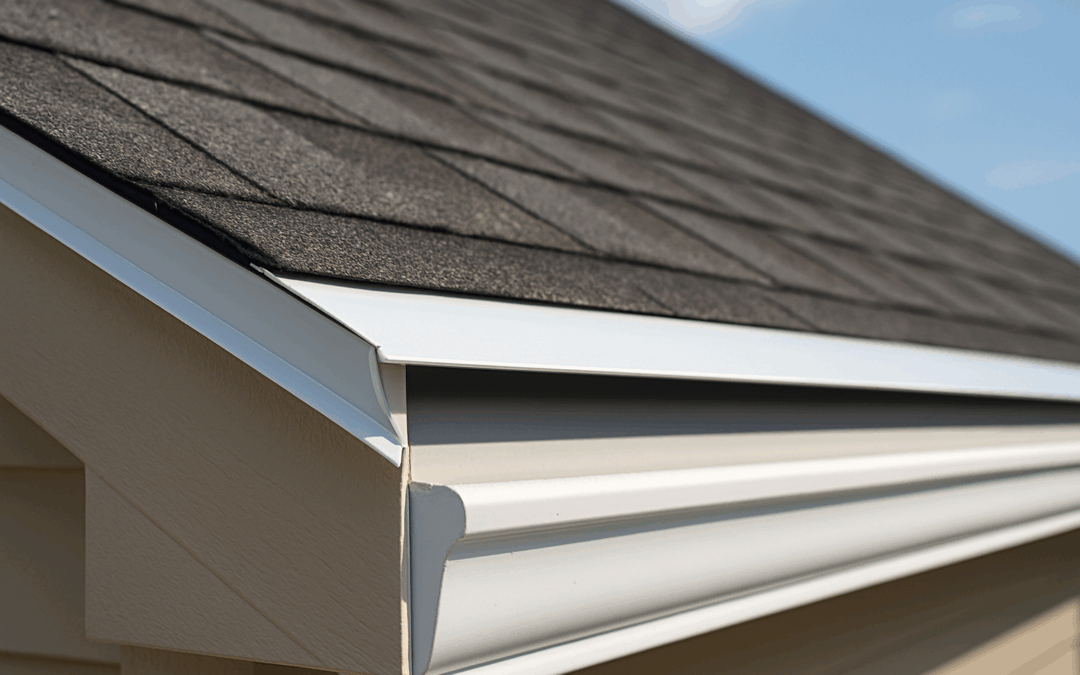
A gutter drip edge is a metal flashing component installed along the edges of a roof, underneath the roofing material, that extends over the fascia board and directs water into the gutter system. Typically made from aluminum, galvanized steel, or copper, the drip edge serves as the transition point between the roof surface and the gutter, creating a defined pathway for water to follow. The component features a bend or flange that guides water away from the roof deck, prevents it from running behind gutters or down fascia boards, and ensures that all roof runoff enters the gutter channel where it can be properly managed.
Most drip edges have an L-shape or T-shape profile. The horizontal portion sits under the roofing material—shingles, metal panels, or other covering—while the vertical portion extends downward past the roof deck edge and over the fascia. This configuration creates a physical barrier that prevents water from curling back under roofing materials or contacting wood components directly. High-quality drip edges include an outward-facing lip or drip hem that breaks the surface tension of water, causing it to drop cleanly into the gutter rather than adhering to the metal and running down the fascia.
Why drip edge matters specifically in Memphis
Memphis’s climate presents unique challenges that make proper drip edge installation particularly important. The city experiences an average annual rainfall exceeding fifty inches, with intense thunderstorms capable of delivering several inches of rain in short periods. When heavy rain falls on a roof without proper drip edge protection, several problems can develop rapidly.
First, water can run directly down the fascia board instead of entering the gutter. Fascia boards in Memphis homes are typically wood—pine or composite materials—that are highly susceptible to rot when repeatedly exposed to moisture. The humid Memphis climate accelerates this deterioration; wood that remains damp doesn’t dry completely between rain events, creating ideal conditions for fungal growth and decay.
Second, without a drip edge, wind-driven rain common during Memphis storms can be forced under the bottom edge of shingles. This water infiltration can saturate roof decking, damage underlayment, and eventually lead to interior ceiling leaks. The problem compounds over time as repeated wetting weakens wood fibers and compromises the structural integrity of roof edge components.
Third, Memphis’s clay-rich soils and generally flat terrain mean that water management around foundations is critical. When drip edges fail to direct water into gutters, the resulting fascia runoff often lands near the foundation rather than being carried away by downspouts. This concentrated water delivery can saturate foundation soils, increasing the risk of basement moisture problems, foundation settlement, or crawlspace flooding.
The benefits of properly installed drip edge
When correctly installed, drip edges provide multiple protective benefits that preserve both the roof system and the home’s exterior. The primary advantage is complete water control—every drop of rain that falls on the roof is directed into the gutter system rather than being allowed to contact vulnerable wood components or run randomly off the roof edge.
Drip edges extend the service life of fascia boards and soffit materials by preventing direct water contact. Even well-painted wood will eventually fail when subjected to constant moisture; a drip edge eliminates this exposure, allowing paint and sealant to protect fascia as intended rather than being overwhelmed by continuous water flow.
The component also protects roof decking and underlayment at the vulnerable lower edge. Shingles alone don’t provide a watertight seal at the very bottom of the roof slope; without a drip edge beneath them, wind and capillary action can draw water up under shingles and into the roof assembly. The drip edge creates a physical barrier that prevents this infiltration.
For gutter systems, drip edges improve performance by ensuring water enters the gutter channel cleanly rather than overshooting during heavy rain or running down the back of the gutter. This proper water delivery reduces stress on gutter hangers, minimizes the chance of overflow, and helps maintain the gutter’s designed pitch and alignment over time.
Drip edges also play an important role in pest prevention. The gap between roof edge and fascia is an attractive entry point for insects, birds, and small animals. A properly installed drip edge closes this access route, making it significantly harder for pests to infiltrate attic spaces or nest in eaves.
Problems that develop without proper drip edge
Homes lacking drip edge or those with improperly installed components face a cascade of moisture-related problems. The most immediate issue is fascia rot—wood that’s constantly wet from roof runoff deteriorates quickly, often showing visible damage within just a few seasons. Once rot begins, it tends to spread along the fascia length and can extend into rafter tails and roof framing if left unaddressed.
Roof deck damage at edges is another common consequence. Water that works its way under shingles at the roof perimeter saturates plywood or OSB sheathing, causing swelling, delamination, and eventual structural failure. This damage often remains hidden until it becomes severe enough to cause visible sagging or interior leaks.
Paint failure accelerates dramatically on fascia boards without drip edge protection. Even premium exterior paints cannot withstand constant water exposure; the paint blisters, peels, and fails, exposing bare wood to moisture and accelerating decay. Homeowners find themselves repainting fascia frequently, only to see the same failure pattern repeat because the underlying water problem hasn’t been addressed.
Gutter performance suffers when drip edges are absent. Water running down fascia behind gutters can cause the back of the gutter to corrode faster than the front, leading to through-wall leaks that aren’t immediately visible. Additionally, water that doesn’t enter the gutter cleanly may overshoot during heavy rain, defeating the purpose of the gutter system entirely and delivering concentrated water to areas near the foundation.
Ice dam formation becomes more likely in the occasional Memphis freeze when homes lack proper drip edge. Water that infiltrates under shingles can freeze at the roof edge, creating ice buildup that prevents proper drainage and forces subsequent meltwater to back up under roofing materials—potentially causing interior water damage even from relatively minor ice events.
Drip edge installation considerations and standards
Proper drip edge installation follows specific sequences and techniques that ensure effective performance. For asphalt shingle roofs, the drip edge along the eaves (horizontal bottom edge) should be installed before the underlayment, allowing the underlayment to lap over the drip edge’s horizontal flange. At rake edges (sloped sides), the drip edge installs over the underlayment. This sequencing ensures that water flowing down the roof surface stays on top of the underlayment and is directed over the drip edge rather than being allowed to run underneath.
The drip edge should extend into the gutter by approximately half an inch to three-quarters of an inch, ensuring that water drops cleanly into the gutter channel without the possibility of running down the fascia. The vertical leg of the drip edge should cover the fascia completely, and the horizontal leg should extend back under roofing materials far enough to catch all water—typically three to four inches.
Fastening is typically accomplished with roofing nails spaced every eight to twelve inches along the length. Over-driving fasteners can create dimples that collect water; under-driving leaves the drip edge loose and vulnerable to wind damage. Joints between drip edge sections should overlap by at least two inches in the direction of water flow, and corners should be properly mitered or use pre-formed corner pieces to maintain water-tight integrity.
Material selection affects longevity and performance. Aluminum drip edge resists corrosion well and is lightweight, making installation easier. Galvanized steel offers greater rigidity and impact resistance but may corrode over time, especially in humid climates like Memphis. Copper drip edge provides the longest service life and develops an attractive patina but comes at significantly higher material cost.
When drip edge replacement or retrofitting is needed
Homes built before modern building codes often lack drip edge entirely, and even relatively recent construction may have inadequate or improperly installed components. Homeowners should consider drip edge evaluation and potential installation when several conditions are present.
Visible fascia rot or persistent paint failure along the roof edge suggests water is running down the fascia rather than entering gutters—a clear sign that drip edge is missing or inadequate. Attic inspections that reveal water staining on roof decking near edges indicate that water is getting under roofing materials at the perimeter, which proper drip edge would prevent.
When gutter replacement or roof replacement is planned, drip edge installation or upgrade should be included in the project scope. These are the most cost-effective times to address drip edge since the necessary access and tear-off work is already being performed. Attempting to retrofit drip edge without disturbing roofing materials is possible but significantly more difficult and may compromise roof warranties.
Homes experiencing recurring ice dam problems during occasional freezes should have drip edge evaluated as part of the solution. While Memphis doesn’t face the severe ice dam issues of northern climates, proper drip edge installation as part of a comprehensive approach—including adequate attic insulation and ventilation—can prevent the localized ice problems that do occur from causing damage.
The relationship between drip edge and gutter performance
Drip edge and gutters work as an integrated system; the performance of each component affects the other. A properly installed drip edge delivers water cleanly to gutters, reducing the stress on gutter attachments and minimizing overflow potential during heavy rain. Conversely, gutters installed without proper drip edge support often experience premature failure because water doesn’t enter the system as designed.
For gutter installation or replacement projects, coordination between drip edge and gutter positioning is essential. The gutter should be positioned so its back edge sits close to the fascia while its front edge aligns with or slightly behind the outer edge of the drip edge. This positioning ensures that water flowing over the drip edge’s lip falls directly into the gutter rather than overshooting or running down the fascia.
Gutter pitch and drip edge must also be coordinated. If gutters sag or are improperly sloped, water may not flow toward downspouts efficiently even if the drip edge is delivering water correctly to the gutter. Both components must function properly for the overall water management system to perform as intended.
Conclusion
The gutter drip edge, though often overlooked, serves as a critical protective component that shields Memphis homes from water damage by ensuring roof runoff is properly directed into gutter systems rather than allowed to contact vulnerable building materials. Tiger Gutters of Memphis, TN encourages homeowners to understand the importance of drip edge, recognize the signs of missing or inadequate installation, and consider drip edge evaluation when planning roof or gutter work. In Memphis’s climate of heavy rainfall and high humidity, proper drip edge installation is not merely a construction detail—it’s an essential element of long-term home protection. This educational overview is provided to inform homeowner understanding and decision-making without implying specific service commitments.