
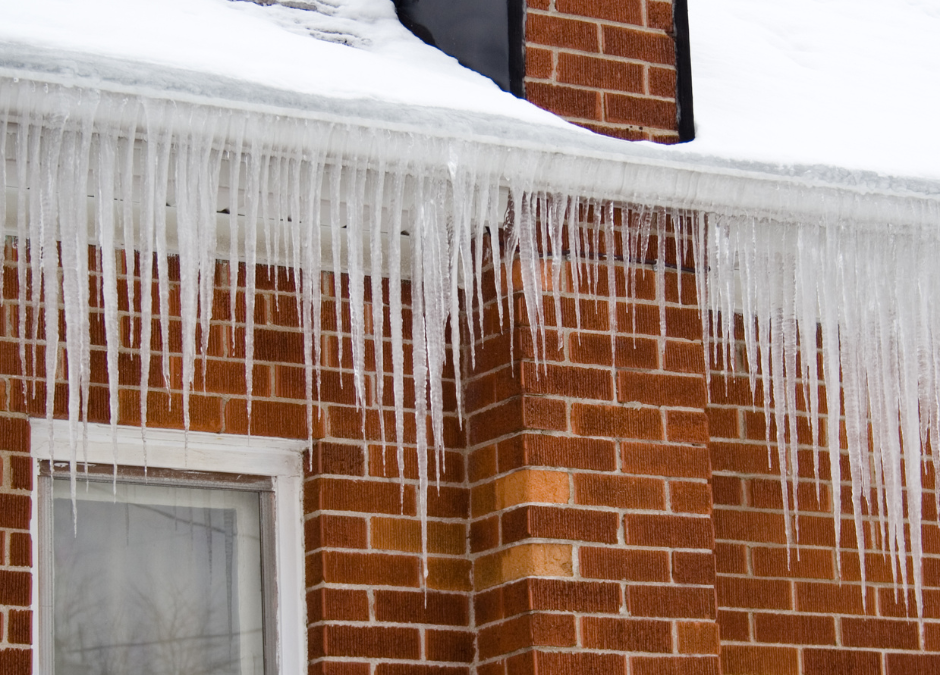
As temperatures begin to drop and winter approaches Memphis, TN, homeowners should turn their attention to winter gutter preparation—a proactive maintenance step that can prevent costly damage during the colder months. Tiger Gutters in Memphis, TN presents this comprehensive, educational guide to help property owners understand what winter gutter preparation involves, why it matters in the Memphis climate, the specific risks associated with unprepared systems, and the key elements homeowners should consider as they ready their drainage systems for seasonal challenges.
Understanding winter gutter preparation
Winter gutter preparation refers to the process of inspecting, cleaning, and securing gutter systems before freezing temperatures, winter storms, and temperature fluctuations create stress on roofline drainage components. This seasonal maintenance activity focuses on ensuring gutters are free of obstructions, properly attached, and positioned to handle cold-weather challenges such as ice formation, freeze-thaw cycles, and heavy winter rains. While Memphis does not experience the prolonged freezing conditions of northern climates, the city’s occasional cold snaps and winter weather events can still create significant problems for unprepared gutter systems.
Why winter preparation matters in Memphis
Memphis’s winter weather pattern is characterized by variability—mild periods punctuated by sudden cold fronts, freezing rain events, and occasional ice storms. Temperatures can swing dramatically within a 24-hour period, creating freeze-thaw cycles that stress gutter materials and attachments. When gutters contain debris or standing water, these temperature fluctuations can cause ice to form and expand, potentially warping channels, loosening fasteners, or causing sections to separate. Additionally, Memphis receives significant winter precipitation; gutters that are already compromised or clogged may overflow during winter storms, directing water toward foundations at a time when soil is already saturated and less able to absorb additional moisture.
The region’s clay-rich soils compound these challenges. When gutters fail to direct water away from the foundation during winter months, the clay can become oversaturated and expand, placing pressure on foundation walls and potentially creating cracks or settlement issues. Furthermore, Memphis homes often feature wooden fascia and soffit components that are particularly vulnerable to moisture damage; winter is a time when prolonged dampness from ice or overflow can accelerate wood decay that may not become visible until spring.
Key benefits of proper winter gutter preparation
Preparing gutters for winter offers multiple advantages that protect both the drainage system itself and the broader structure. First, removing debris and ensuring free flow prevents ice dams and blockages that can force water under shingles or into attic spaces. Second, securing loose hangers and repairing separated seams reduces the risk of complete failure during ice or wind events. Third, confirming that downspouts discharge water well away from foundations helps prevent soil saturation and freeze-related ground heave near the building perimeter.
Winter preparation also extends the service life of gutter materials. Metal gutters subjected to repeated freeze-thaw cycles without proper drainage are more prone to corrosion and fatigue. Painted surfaces can crack when ice forms against them, allowing moisture to reach bare metal beneath. By addressing these vulnerabilities before winter arrives, homeowners can avoid premature replacement and reduce emergency repair costs during the coldest months when service calls are more expensive and conditions make work more difficult.
Additionally, winter-ready gutters contribute to safer conditions around the home. Ice buildup in gutters or along eaves can create falling ice hazards near entryways and walkways. Overflow from clogged gutters can freeze on driveways, steps, and sidewalks, creating slip-and-fall risks. Proper preparation minimizes these safety concerns for residents and visitors.
Risks and problems from neglecting winter preparation
Homeowners who skip winter gutter preparation expose their properties to a range of potential problems. Clogged gutters filled with wet leaves can freeze solid during cold snaps, creating heavy ice masses that pull gutters away from fascia boards or bend hanger brackets. When ice forms in downspouts, it can create complete blockages that force subsequent rainfall to overflow—often at the worst possible locations near doors, windows, or foundation seams.
Freeze-thaw cycles are particularly damaging to gutter systems that retain water. As water freezes, it expands; this expansion can warp aluminum gutters, crack seams, or split vinyl components. When temperatures rise and ice melts, the water refreezes during the next cold period, repeating the damage cycle. Over a single winter season, this repeated stress can transform minor issues into major failures requiring extensive repair.
Overflow from unprepared gutters during winter rains contributes to foundation problems, basement moisture intrusion, and landscape erosion. In Memphis, where winter storms can deliver substantial rainfall totals, a single clogged gutter section can direct hundreds of gallons of water into a concentrated area, saturating soils and increasing hydrostatic pressure against foundation walls. For homes with crawlspaces, this can lead to standing water, mold growth, and compromised floor joists.
What winter preparation typically involves
A comprehensive winter gutter preparation effort addresses several key areas. The first priority is debris removal—clearing all accumulated leaves, twigs, seed pods, and organic matter from gutter channels and downspouts so that water can flow freely. This is particularly important in Memphis, where many trees retain leaves into early winter or drop seeds and small branches during storms.
The second focus is inspection of all gutter components. This includes examining hangers and brackets to ensure they are securely fastened to fascia boards, checking seams and joints for separation or leaks, verifying that end caps are sealed, and confirming that downspout connections are tight. Any loose or damaged components should be noted for repair or replacement before freezing conditions arrive.
Downspout function is another critical element. Each downspout should be tested to confirm it carries water all the way to the discharge point without obstruction. Downspouts that drain slowly or show signs of internal blockage may contain compacted debris or ice from previous freeze events. Extensions, splash blocks, or underground drainage connections should be checked to ensure they remain properly positioned and are directing water at least several feet away from the foundation.
Slope and pitch verification is also important. Gutters should maintain a slight slope toward downspouts—typically about one-quarter inch per ten feet of run. Over time, settling, hanger failure, or impact damage can create low spots or reverse slopes where water pools rather than draining. These areas are prime locations for ice formation during winter and should be corrected before cold weather sets in.
For homes with gutter guards or covers, winter preparation includes inspecting the guard surface for accumulated fine debris, checking that guards remain securely attached, and verifying that water can still enter the gutter system during heavy rain events. Guards that have shifted or become clogged may require cleaning or adjustment.
Preventive measures and system upgrades
Beyond basic cleaning and inspection, several preventive measures can improve winter performance. Heat cable or heat tape designed for gutter and roof edge use can prevent ice formation in vulnerable areas, though these systems must be installed according to manufacturer specifications and local electrical codes. Heat cables are most effective when installed before the first freeze and are particularly useful for north-facing roof sections or areas prone to ice dam formation.
Insulation and ventilation improvements in attic spaces can reduce the uneven roof heating that contributes to ice dams. When warm air from living spaces reaches the attic, it can melt snow on the roof; this meltwater then refreezes at the colder eaves, creating ice dams that back water into gutters and under shingles. Proper attic insulation and ventilation help maintain consistent roof temperatures and reduce this risk.
For properties with recurring winter gutter problems, upgrading to larger gutter profiles or adding additional downspouts can improve capacity and reduce the likelihood of overflow during heavy winter rains. Seamless gutter systems with fewer joints also tend to perform better in freeze-thaw conditions since there are fewer seam points where ice can pry components apart.
Timing and professional assistance
The optimal time for winter gutter preparation in Memphis is late autumn—typically November—after most leaf drop has occurred but before the first hard freeze. This timing allows homeowners to address problems in moderate weather conditions and ensures systems are ready when winter weather arrives.
While some homeowners are comfortable performing basic gutter cleaning and inspection, professional assistance is advisable for multi-story homes, complex rooflines, or situations where significant repairs are needed. Professionals can safely access difficult areas, identify subtle problems that may not be obvious to untrained eyes, and perform repairs using proper materials and techniques. Additionally, professional inspection often includes documentation of conditions and recommendations that help homeowners plan for future maintenance or upgrades.
Conclusion
Winter gutter preparation is a practical, preventative maintenance activity that helps Memphis homeowners protect their drainage systems, rooflines, and foundations from the challenges of cold-weather months. Tiger Gutters of Memphis, TN encourages property owners to view winter preparation as an investment in long-term home protection—one that reduces the risk of expensive emergency repairs, extends the life of gutter components, and maintains effective water management throughout the season. By understanding the local climate factors that make preparation important and knowing what elements should be addressed, Memphis homeowners can approach winter with confidence that their gutter systems are ready to perform when needed. This educational overview is provided to inform decision-making and does not imply specific service commitments.