
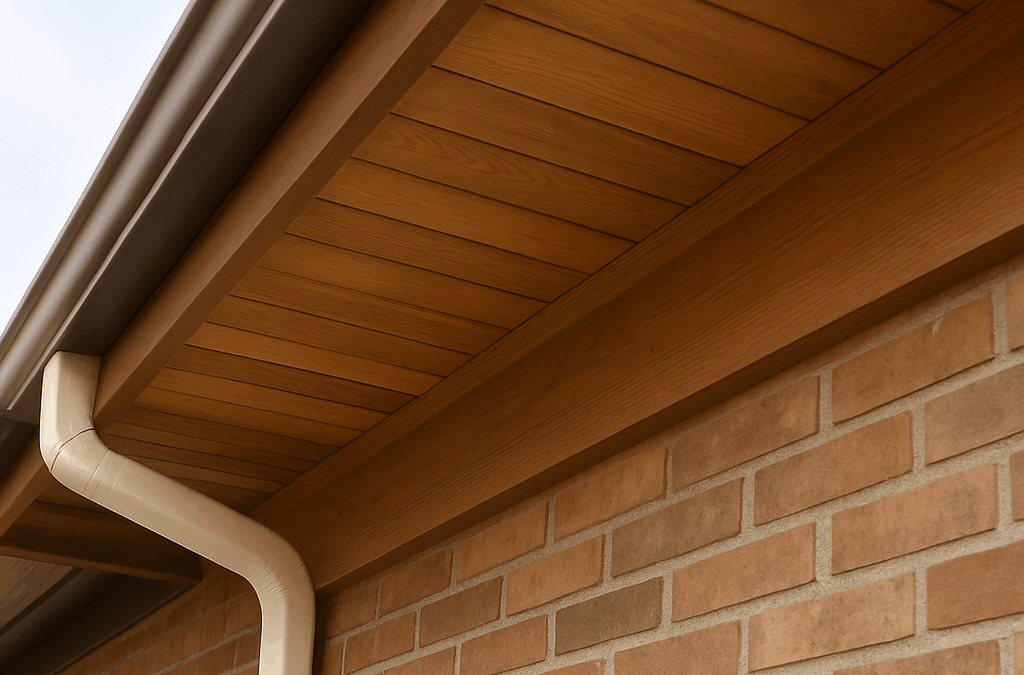
Memphis homeowners understand the challenges that come with the Mid-South’s unpredictable weather patterns. From intense summer humidity to sudden spring storms and occasional winter freezes, the elements can take a significant toll on exterior building materials. One area that often requires attention but is frequently overlooked is the wood soffit—the horizontal surface beneath your roof’s overhang. This comprehensive guide from Tiger Gutters in Memphis, TN, explores everything homeowners need to know about wood soffit maintenance, common problems, and repair considerations.
What Is Wood Soffit?
Wood soffit refers to the horizontal panels or boards installed beneath the eaves of a roof, spanning the gap between the exterior wall and the roof edge. These panels serve multiple critical functions: they provide ventilation for the attic space, protect exposed rafters from weather damage, prevent pest intrusion, and contribute to the overall aesthetic appeal of the home. Traditional wood soffit is typically constructed from materials like pine, cedar, plywood, or fiber cement, and has been a standard building component for decades.
The soffit works in conjunction with the fascia board (the vertical board along the roof edge) to create a complete enclosure system that protects the roof’s structural elements while maintaining proper airflow into the attic space.
Why Wood Soffit Matters in Memphis’s Climate
Memphis’s location in the Mississippi River valley creates a unique climate challenge for building materials. The area experiences high humidity levels throughout much of the year, with summer humidity often exceeding 70%. This moisture-rich environment, combined with temperature fluctuations and seasonal storms, creates conditions that can accelerate the deterioration of wood materials.
The region’s clay-heavy soils also contribute to moisture retention around foundations, which can increase humidity levels near the home’s structure. Additionally, Memphis’s mature tree canopy, while beautiful, deposits organic debris that can trap moisture against wood surfaces and create breeding grounds for mold and insects.
Common Problems with Wood Soffit in Memphis
Moisture Damage and Rot
The most prevalent issue affecting wood soffit in Memphis is moisture-related damage. High humidity, combined with poor ventilation or water infiltration, can cause wood to absorb moisture and begin rotting. Signs of moisture damage include soft or spongy areas, discoloration, visible mold or mildew, and wood that easily crumbles when touched.
Pest Infiltration
Wood soffit provides an attractive nesting opportunity for various pests common to the Memphis area, including carpenter bees, termites, squirrels, and birds. Carpenter bees bore circular holes into wood, while termites can cause extensive structural damage. Gaps or deteriorated areas in wood soffit provide easy access points for rodents and birds seeking attic space for nesting.
Paint Failure and Weather Exposure
Memphis’s intense summer sun and frequent temperature changes cause painted wood surfaces to expand and contract repeatedly. This movement leads to paint cracking, peeling, and eventual failure, which exposes the underlying wood to moisture and accelerates deterioration.
Warping and Dimensional Changes
Wood naturally expands and contracts with moisture and temperature changes. In Memphis’s variable climate, this movement can cause soffit boards to warp, cup, or bow, creating gaps that compromise the system’s protective function and aesthetic appearance.
Ventilation Blockages
Over time, paint buildup, debris accumulation, or warping can block ventilation holes in wood soffit. This reduced airflow can lead to attic moisture problems, increased cooling costs, and accelerated deterioration of roofing materials.
Signs That Wood Soffit Needs Attention
Homeowners should regularly inspect their wood soffit for several warning signs. Visual indicators include peeling or bubbling paint, visible stains or discoloration, sagging or warped boards, and gaps between panels. Physical signs to check for include soft spots when pressed gently, a musty odor near the eaves, and visible holes or damage.
Other concerning signs include evidence of pest activity such as sawdust piles beneath eaves (indicating carpenter bee activity), small holes or tunnels in the wood, or visible insects or nesting materials. Additionally, if you notice increased energy costs or attic moisture problems, compromised soffit ventilation might be contributing to these issues.
Maintenance Strategies for Wood Soffit
Regular maintenance can significantly extend the life of wood soffit and prevent costly repairs. Visual inspections should be conducted at least twice yearly, ideally in spring and fall, to identify problems before they worsen. During these inspections, check for paint condition, wood integrity, pest activity, and proper ventilation function.
Cleaning is an important maintenance task that involves gently removing debris, dirt, and organic matter that can trap moisture against the wood. Use a soft brush or low-pressure water to clean surfaces, avoiding harsh chemicals or high-pressure washing that might damage the wood or force water into gaps.
Paint maintenance requires attention to peeling or worn areas, as exposed wood quickly deteriorates in Memphis’s climate. When repainting, proper surface preparation is essential, including scraping loose paint, sanding rough areas, and applying quality primer before the finish coat.
Ventilation maintenance involves ensuring that soffit vents remain clear of debris, paint, or other obstructions. Proper airflow is crucial for attic health and helps prevent moisture-related problems throughout the roof system.
Repair vs. Replacement Considerations
When wood soffit problems are identified, homeowners face decisions about repair versus replacement. Minor issues like small areas of peeling paint, loose boards, or small pest holes can often be repaired effectively. Repair approaches might include patching small holes with wood filler, replacing individual damaged boards, repainting affected areas, or installing pest deterrents.
However, extensive damage often makes replacement more cost-effective than repair. Widespread rot, multiple pest infestations, significant warping or structural damage, or repeated maintenance problems typically indicate that replacement is the better long-term solution.
Alternative Materials to Consider
When replacing wood soffit, homeowners have several material options that may better withstand Memphis’s climate challenges. Vinyl soffit offers excellent moisture resistance, requires minimal maintenance, and comes in various colors and textures. Aluminum soffit provides durability and pest resistance while maintaining good ventilation properties. Fiber cement combines the appearance of wood with improved weather resistance and lower maintenance requirements.
Each material has specific advantages and considerations regarding cost, appearance, maintenance requirements, and longevity in Memphis’s climate conditions.
Professional vs. DIY Considerations
Wood soffit work involves working at height and requires proper safety equipment and techniques. Additionally, proper installation is crucial for ventilation function and long-term performance. While some maintenance tasks like cleaning and minor touch-up painting can be handled by homeowners, more extensive repairs or replacement typically benefit from professional expertise.
Professional contractors understand local building codes, proper ventilation requirements, and installation techniques that ensure long-term performance. They also have the equipment and experience to work safely at roof height and can identify related problems that might not be obvious to homeowners.
Conclusion
Wood soffit plays a vital role in protecting Memphis homes from the region’s challenging climate conditions. Understanding the common problems, maintenance requirements, and repair options helps homeowners make informed decisions about their property’s exterior systems. Regular inspection and maintenance can extend the life of wood soffit, while timely repairs or replacement protect the home’s structure and appearance. This educational overview from Tiger Gutters in Memphis, TN, provides the foundation for homeowners to understand wood soffit care and make appropriate decisions for their specific situations and local climate conditions.