
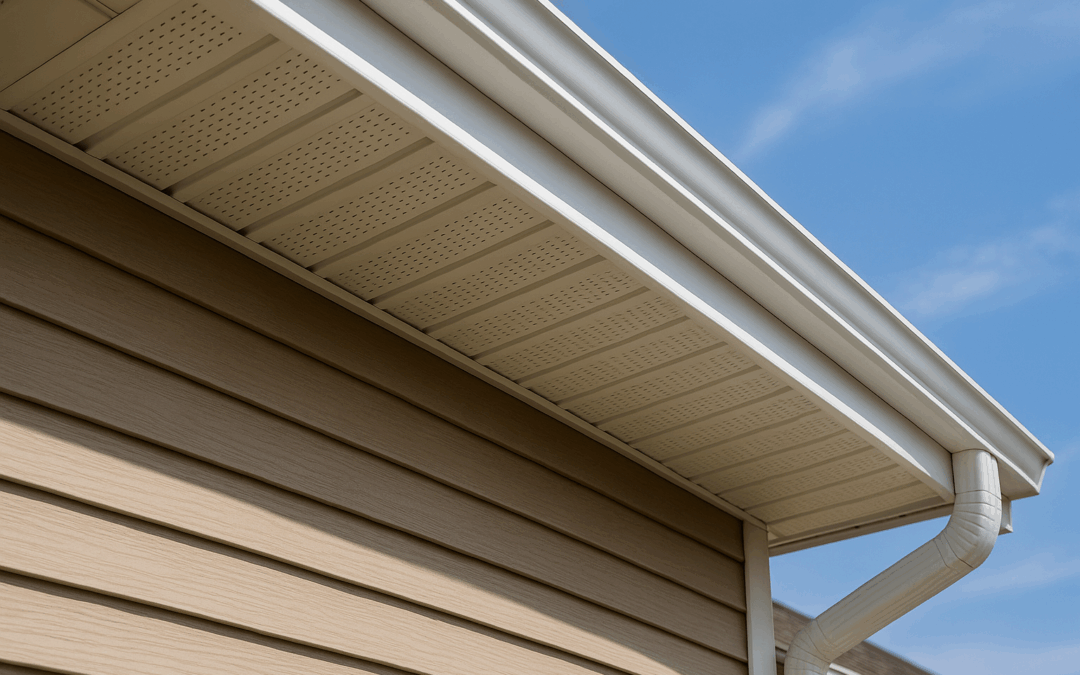
When maintaining a home in Memphis, TN, protecting the roofline from the unpredictable Mid-South climate is essential. One feature often overlooked but crucial to the longevity of a home’s exterior is the soffit—the horizontal surface beneath the roof’s overhang. In recent years, vinyl soffit has become a popular choice for homeowners seeking durability, low maintenance, and improved ventilation. This educational guide from Tiger Gutters in Memphis explores what vinyl soffit is, why it’s an excellent fit for local homes, and practical considerations for installation and upkeep.
What Is Vinyl Soffit?
Vinyl soffit refers to panels made from polyvinyl chloride (PVC) installed under the eaves of the roof. These panels serve both functional and aesthetic purposes: they cover exposed rafters, protect roof edges from pests and moisture, and can improve air circulation in the attic. Available in vented and solid styles, vinyl soffit comes in various textures and colors to complement different home designs.
Why Soffit Matters for Memphis Homes
Memphis experiences hot, humid summers, frequent thunderstorms, and the occasional cold snap. These weather patterns can accelerate the wear and tear of traditional wood soffit, leading to rot, warping, and insect infestations. Vinyl soffit is engineered to withstand moisture and temperature fluctuations, making it a practical choice for homes in the region.
Proper soffit installation also helps regulate attic ventilation, which is vital in Memphis. Adequate airflow reduces the risk of mold growth, helps keep cooling costs down, and preserves the integrity of roofing materials.
Key Benefits of Vinyl Soffit
1. Moisture Resistance
Vinyl is naturally resistant to water and humidity. Unlike wood, it does not absorb moisture or warp, making it especially suitable for Memphis’s rainy spring season and humid summers. This resistance helps prevent mold and mildew accumulation under the roofline.
2. Low Maintenance
Vinyl soffit requires minimal upkeep. Unlike wood, which must be painted or stained regularly and inspected for rot, vinyl can be cleaned with a garden hose or mild soap. Its color is baked in during manufacturing, so it resists fading and peeling.
3. Pest Protection
Properly installed vinyl soffit forms a tight barrier that deters squirrels, birds, and insects from nesting in the eaves. Memphis’s urban and suburban areas are home to various critters that seek shelter in roof spaces, so a robust soffit system protects the home’s structure.
4. Improved Ventilation
Vented vinyl soffit panels enhance airflow into the attic, helping regulate temperature and moisture. This is crucial in Memphis, where attic heat can build up rapidly in the summer. Good ventilation reduces cooling costs and prolongs the life of shingles and roof decking.
5. Versatility in Design
Vinyl soffit is available in multiple finishes—smooth, wood-grain, or beaded. Homeowners can select colors that match siding, trim, or gutters, giving the home a cohesive look.
Risks and Considerations
1. Installation Quality
Even the best vinyl soffit will underperform if installed incorrectly. Poorly anchored panels or gaps can reduce ventilation, allow pests entry, or cause panels to sag over time. Professional installation ensures the panels are securely fastened and aligned for optimal airflow.
2. Impact Damage
While vinyl is tough, it can crack if struck sharply—such as by a falling tree limb or baseball. Inspect soffit panels periodically for signs of damage, especially after storms.
3. Compatibility with Existing Structures
Some older Memphis homes have ornate woodwork or unique rooflines that might require custom soffit solutions. Vinyl panels are flexible but may need special trim pieces for complex designs.
4. Ventilation Balance
Too much or too little attic ventilation can cause problems. Consult with a local professional to determine the right mix of vented and solid soffit panels to match your attic’s needs and Memphis’s climate.
Practical Tips for Homeowners
- Regular Inspection: Walk the perimeter of your home every few months, looking for sagging soffit panels, gaps, or signs of pest activity.
- Cleaning Routine: Gently spray vinyl soffit with a hose, or use mild soap and a soft brush for stubborn dirt. Avoid harsh chemicals and abrasive tools.
- Check Attic Ventilation: After installation, monitor attic temperatures and humidity to ensure the ventilation is working effectively.
- Coordinate Colors: When replacing or installing new soffit, choose colors and textures that enhance your home’s curb appeal. Vinyl options make this easy.
- Address Damage Promptly: If you notice cracks or holes, replace affected panels quickly to prevent pests and water intrusion.
Conclusion
Vinyl soffit offers Memphis homeowners a durable, low-maintenance solution for protecting the roofline and improving attic ventilation. Its resistance to moisture, pests, and fading makes it especially suitable for the region’s climate. By understanding the benefits, risks, and practical installation tips, homeowners can better protect their investment and enhance their home’s appearance. This informational guide from Tiger Gutters in Memphis, TN, is designed to educate residents about the advantages of vinyl soffit and its role in long-term home care.