
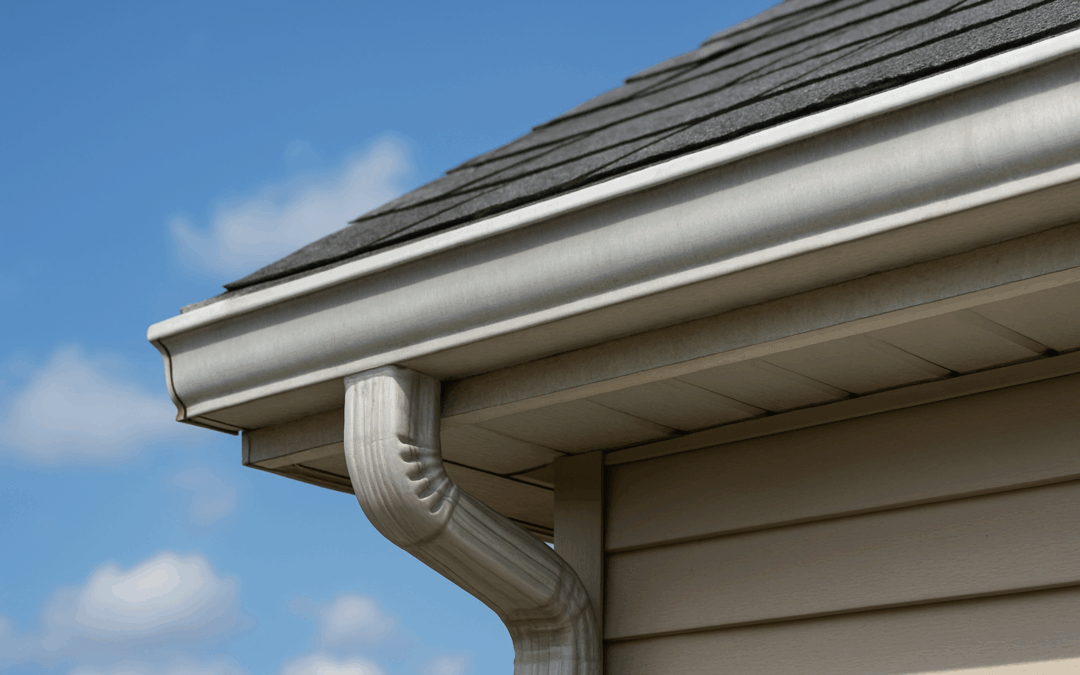
A gutter system may appear to be a simple channel attached along the edge of a roof, but its performance depends heavily on the components holding it in place. Gutter hangers, screws, brackets, spikes, and other fasteners determine whether the gutter remains securely aligned, maintains proper slope, and continues directing water toward the downspouts. When these support components loosen, bend, corrode, or pull away from the fascia, even an otherwise clean gutter can develop standing water, overflow, leaks, and damage around the roofline. Tiger Gutters believes Memphis, Tennessee homeowners benefit from understanding how gutter hangers and fasteners work, why they fail, and what signs may indicate that a gutter system is no longer properly supported.
What Gutter Hangers Do
Gutter hangers are support devices installed at intervals along a gutter run. Their purpose is to secure the gutter to the fascia board or roof edge while maintaining the channel’s intended position and slope. A properly supported gutter should remain stable when carrying flowing water, wet leaves, small debris, and the occasional added weight of ice during Memphis winter weather.
The hanger system does more than hold the gutter up. It also helps preserve the slight pitch that allows water to flow toward the downspout. Gutters are not installed perfectly level. Instead, they are positioned with a gradual slope so water moves naturally through the channel rather than collecting in low spots. If a hanger loosens or the fascia behind it deteriorates, the gutter may sag. That sag can interrupt the designed slope and create an area where water and debris collect.
Over time, a small support issue can become a larger drainage issue. Standing water adds weight to the gutter. Additional weight can pull more hangers loose, deepen the sag, and make it easier for debris to settle in the channel. The result is a cycle of reduced drainage capacity and increasing strain on the gutter system.
Common Types of Gutter Hangers and Fasteners
Several types of gutter support systems may be found on Memphis homes. The specific type often depends on the age of the system, the gutter material, and the installation method used.
Hidden hangers are widely used on modern K-style gutter systems. These supports fit inside the gutter channel and attach through the back of the gutter into the fascia board. Because they are largely concealed from ground view, they provide a cleaner exterior appearance while offering support across the gutter’s interior.
Strap hangers are typically used with half-round gutters. A strap may wrap over the roof edge or attach to the fascia, supporting the curved gutter profile from above or behind. These are common on historic homes and properties where half-round gutters match the architecture.
Spike-and-ferrule systems are older fastening methods. A long spike passes through the gutter, through a tubular spacer called a ferrule, and into the fascia board. The ferrule prevents the gutter from being crushed when the spike is installed. Although this system was common for decades, spikes can gradually loosen because of seasonal movement, water exposure, and repeated loading.
Brackets and fascia mounts may be visible on certain gutter styles. These supports attach directly to the fascia or roof structure and hold the gutter from beneath or behind. Their appearance varies based on gutter shape and material.
The fasteners themselves also matter. Screws generally provide more reliable long-term holding strength than smooth gutter spikes because threaded fasteners grip wood more securely. However, no fastener can remain secure if it is installed into fascia wood that has become soft or deteriorated from chronic moisture exposure.
Why Hangers Fail in Memphis
Memphis weather creates several conditions that can affect gutter supports over time. The city receives substantial annual rainfall, and intense thunderstorms can fill gutters quickly. If debris restricts drainage, the added weight of wet leaves and retained water places extra stress on hangers and fasteners.
Memphis also has a mature tree canopy in many neighborhoods. Oaks, sweetgums, pecans, maples, and other trees can drop heavy leaves, seed pods, twigs, and branches into gutter channels. Wet debris is much heavier than dry debris, especially after a long rainstorm. A gutter section carrying compacted wet leaves and standing water may place far more strain on its supports than a clear system carrying normal rainfall.
Summer heat is another factor. Aluminum gutters expand and contract as temperatures change. Memphis experiences long, hot summers and occasional winter cold snaps, so gutter materials and fasteners experience repeated seasonal movement. Over many years, this movement can gradually loosen hardware, particularly in older systems or systems with wide hanger spacing.
Although Memphis winters are usually milder than those in the Ohio Valley, ice storms and hard freezes can still occur. When water trapped in a sagging gutter freezes, the resulting ice adds substantial weight. This can bend hangers, pull screws from fascia boards, and cause gutters to separate from the roofline.
Warning Signs of Loose or Failing Supports
Homeowners can often identify gutter support problems from the ground. One of the clearest signs is visible sagging. A gutter should appear straight and evenly aligned along the roof edge. If one section dips lower than the rest, it may have loose or missing hangers.
Another warning sign is a gap between the back of the gutter and the fascia board. This can indicate that fasteners have loosened or that the gutter is beginning to pull away from its mounting surface. Water may then run behind the gutter instead of into it, wetting the fascia and soffit.
Other signs include:
- Gutter sections that tilt outward
- Water standing in the gutter after rain
- Overflow occurring at a sagged section
- Visible missing, bent, or loose hangers
- Gutter spikes protruding from the fascia
- Peeling paint or dark staining behind the gutter
- Downspouts that no longer align with the gutter outlet
- Dripping from areas that are not joints or end caps
These symptoms may occur individually or together. For example, a gutter that sags may overflow during rain, and repeated overflow may then cause moisture damage to the fascia board that supports the loose hanger.
Fascia Board Condition Is Essential
Gutter hangers are only as reliable as the material they are attached to. On many homes, that material is the fascia board: the horizontal board located behind the gutter along the roof edge. If the fascia has been exposed to moisture from overflowing gutters, leaking seams, roof edge problems, or missing drip edge, the wood may soften and lose holding strength.
A screw driven into solid fascia wood can provide reliable support. The same screw driven into rotted or moisture-damaged wood may loosen quickly, even if it initially appears secure. This is why simply tightening a loose fastener may not always solve the underlying problem. The condition of the fascia should be evaluated whenever hangers are pulling away or gutter screws repeatedly loosen.
Signs of fascia deterioration may include peeling paint, bubbling finish, dark discoloration, soft areas, cracking, or visible separation behind the gutter. Addressing support problems without considering the fascia condition may leave the gutter system vulnerable to repeated failure.
Hanger Spacing and Gutter Stability
The number and spacing of hangers influence how well a gutter resists weight and maintains its shape. Hangers placed too far apart can allow the gutter to bow between support points, especially when carrying wet debris or water. This can create low areas where water remains after a storm.
Homes beneath dense tree canopy may place greater demands on hanger systems because gutters are more likely to carry debris between cleanings. Roof valleys also create concentrated flow areas where large amounts of runoff enter one part of the gutter. These locations may require careful support and inspection because they experience greater water volume and debris accumulation.
Memphis homeowners should also remember that gutter support requirements may change as the system ages. A gutter that was properly installed years ago may have experienced gradual fascia deterioration, fastener loosening, or storm-related movement that reduces its ability to maintain the original slope.
Conclusion
Gutter hangers and fasteners are essential components of a functioning drainage system. They hold the gutter in place, preserve the slope needed for water flow, and help protect the fascia, soffit, foundation, and landscaping from uncontrolled roof runoff. For Tiger Gutters and Memphis, Tennessee homeowners, understanding the role of these supports makes it easier to recognize warning signs such as sagging, loose screws, standing water, gutter separation, and moisture damage along the roofline. Regular inspection, debris management, and attention to fascia condition can help homeowners better understand whether their gutter system remains securely supported and ready to manage Memphis rainfall throughout the year.