
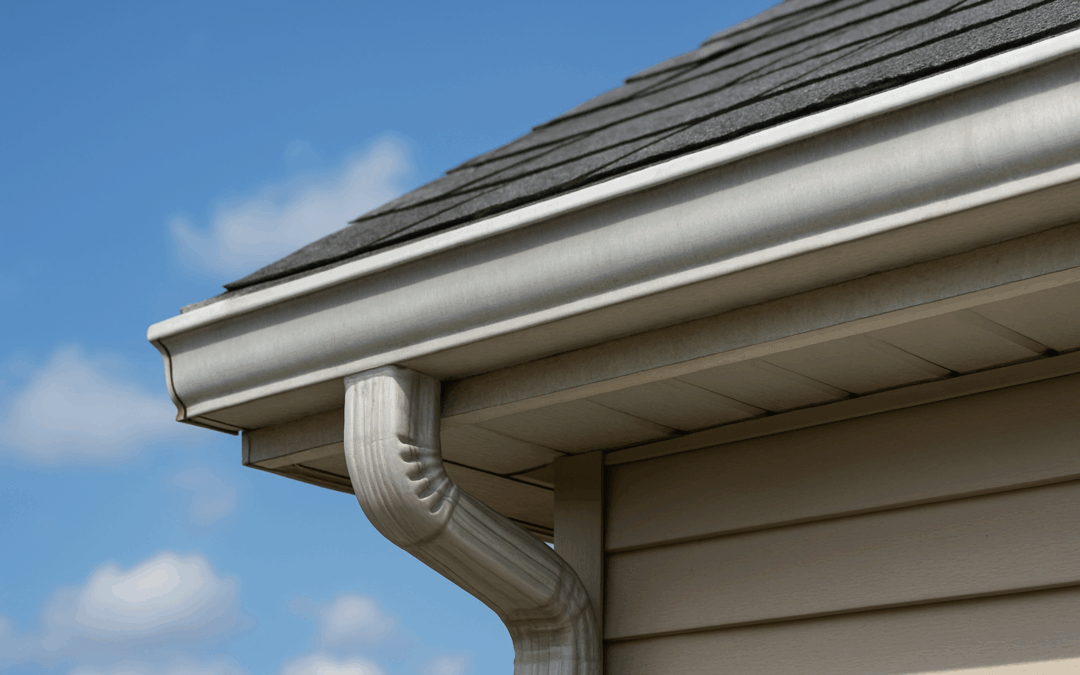
Gutters are one of those home systems that tend to go unnoticed when they are working correctly and receive urgent attention only after something has gone visibly wrong — water pouring over the edge during a rainstorm, a section pulling away from the fascia, or water stains appearing on interior ceilings. The problem with this reactive approach is that by the time these dramatic signs appear, gutter failure has often already caused damage to the fascia, foundation, or structure that a more observant homeowner might have identified and prevented at an earlier stage. Tiger Gutters believes that Memphis, Tennessee homeowners benefit from knowing how to proactively evaluate whether their gutter system is working as it should — what signs indicate proper function, what warning signs indicate developing problems, and what Memphis’s specific climate conditions mean for how often and what to look for when assessing gutter performance.
What a Properly Working Gutter System Actually Does
Before evaluating whether a gutter system is working properly, it helps to clearly define what proper function looks like. A correctly performing residential gutter system accomplishes four things simultaneously:
Collects all roof surface runoff at the roofline without allowing water to bypass the gutter channel by flowing behind it, over it, or through gaps in its mounting.
Drains that collected water completely and promptly through the gutter channel and downspouts without retaining standing water between rainfall events.
Discharges the drained water away from the home at ground level through downspouts and extensions that direct runoff away from the foundation perimeter rather than depositing it there.
Protects all adjacent components — the fascia, soffit, siding, foundation, and landscape — from the moisture damage that unmanaged roof runoff would cause.
When a gutter system is accomplishing all four of these functions consistently across all weather conditions, it is working properly. The evaluation methods below test each of these functions in practical, observable terms that any homeowner can apply.
Evaluating Gutter Performance During Rainfall
The most direct way to evaluate whether gutters are working properly is to observe them during actual rainfall — ideally during a moderate to heavy rain event that generates meaningful roof surface runoff. This observation requires nothing more than a few minutes outside during a rainstorm, and it reveals gutter performance information that no dry-weather inspection can fully replace.
Look for Water Running Behind the Gutter: Water flowing between the back of the gutter and the fascia board — rather than into the gutter channel — indicates that the gutter has pulled away from the fascia enough to create a gap, that the gutter slope is incorrect and water is backing up over the rear edge, or that the gutter is installed with inadequate pitch toward the roofline. In Memphis’s climate, this behind-gutter water flow is a common cause of fascia deterioration that often goes undetected because it is not visible from inside the home.
Look for Overflow Along the Gutter Run: Water pouring or sheeting over the front edge of the gutter during rainfall indicates that the channel is blocked by debris, that the gutter slope is directing water toward a blocked or absent downspout outlet, or that the gutter profile is undersized for the roof area it serves in Memphis’s rainfall intensity. Identifying where along the run overflow is occurring helps diagnose whether the problem is localized blockage or systemic — a distinction that determines whether cleaning or replacement is the appropriate response.
Watch Downspout Outlets During Rain: Each downspout should be visibly discharging water during active rainfall if the gutters are draining correctly. A downspout that shows no flow during heavy rainfall while the associated gutter section is overflowing indicates a downspout blockage. A downspout discharging water that is dark, silty, or carries visible debris indicates significant organic accumulation in the gutter channel feeding it — a cleaning need indicator.
Check Discharge Locations: Observe where water exits at the base of each downspout during rainfall. Water discharging directly at the foundation perimeter, pooling against the home, or flowing toward the foundation rather than away from it indicates that discharge management — extensions, splash blocks, or underground drainage — is absent, inadequate, or displaced from its correct position.
Post-Rain Inspection: What to Look For Within 24 Hours
Inspecting gutters within 24 hours of a rainfall event reveals performance information that dry conditions cannot show. Most importantly, look for standing water remaining in the gutter channel long after rain has stopped.
Standing Water in Gutters: Gutters should drain completely within a few hours of rainfall ending. Standing water visible in gutter sections the day after rain indicates either that debris accumulation is preventing drainage, that the gutter slope has been lost due to hanger failure allowing sections to sag, or that a downspout blockage is preventing the section from draining. In Memphis’s warm summer climate, standing water in gutters is particularly problematic because it creates mosquito breeding habitat and accelerates the biological corrosion of aluminum gutter material through organic acid production.
Watermarks and Staining on Fascia and Soffit: Water staining, discoloration, or peeling paint on fascia boards or soffit panels below gutter runs indicates that water has been reaching these surfaces — either through gutter overflow, leaking joints, or water flowing behind the gutter. Fascia staining is a post-rain indicator of gutter performance problems that should be investigated before the moisture exposure advances to structural wood deterioration.
Erosion at Downspout Discharge Points: Bare soil, erosion channels, or displaced mulch at the base of downspout discharge locations indicates that water is being deposited with sufficient force and concentration to disturb the soil surface — which in turn indicates either that discharge is occurring without splash block protection, or that discharge is too close to the foundation to safely disperse.
Dry-Weather Visual Inspection: Signs of Developing Problems
Between rainfall events, a deliberate visual inspection of the gutter system from ground level and, where safe, from a ladder, reveals developing problems before they produce active failure during the next storm.
Sagging or Uneven Gutter Sections: A correctly installed gutter runs in a straight line from its high point to the downspout outlet, with a consistent slight downward slope. Sections that visibly sag between hanger points, dip toward the center of the run, or have developed a wavy, uneven profile have lost their designed slope due to hanger failure, fascia deterioration, or gutter material fatigue. Sagging sections retain water, create debris accumulation points, and stress adjacent sections and joints. In Memphis’s climate, sagging is frequently associated with fascia moisture damage that has softened the wood to the point that hangers can no longer hold their position.
Gutter Pulling Away from the Fascia: A gap visible between the back of the gutter and the fascia — or gutter sections visibly tilting outward away from the roofline — indicates hanger failure or fascia deterioration. This gap allows roof runoff to bypass the gutter entirely, directing water behind the gutter directly onto the fascia and soffit. Left unaddressed in Memphis’s humid climate, water directed repeatedly behind the gutter rapidly deteriorates fascia and creates conditions for soffit and rafter tail moisture damage.
Rust Streaks or Orange Discoloration: Rust-colored streaking on the exterior face of aluminum gutters or on the home’s siding below gutter runs indicates either that ferrous fasteners — screws or spikes — are rusting and staining the surface, or in the case of steel gutters, that the protective coating has been compromised and the steel beneath is beginning to oxidize. Rust staining on siding is both an aesthetic problem and a signal that fastener or material integrity is declining.
Joint and Seam Separation: Visible gaps at mitered corners, end caps, or section joints — or caulk that has visibly cracked, dried, and pulled away from the joint surfaces — indicate sealant failure at those locations. In dry weather these gaps are visible but not active; in rainfall they become water pathways that direct discharge onto fascia and siding surfaces. Memphis’s summer heat cycle accelerates gutter sealant hardening and cracking, making joint inspection particularly relevant after hot summer months.
Visible Debris and Plant Growth: Obvious debris accumulation visible from ground level — soil deposits, leaf matter, or organic buildup visible above the gutter rim — indicates channels that need cleaning. Plant growth emerging from gutters — a surprisingly common finding on Memphis homes beneath heavy tree canopy — indicates that organic accumulation has reached a depth and moisture level sufficient to support germination, which in turn indicates gutters that have gone many months without cleaning.
Downspout Condition: Check that all downspouts are securely attached to the wall at their brackets, that elbows and joints are intact and not separated, and that the section at grade is not crushed, bent, or otherwise physically damaged by lawn equipment or vehicle contact. Displaced brackets allow downspouts to move away from the wall during wind events, stressing joints and potentially creating wall surface contact that directs water onto siding.
Testing Downspout Flow Without Rain
A garden hose provides a simple way to test downspout drainage performance between rainfall events. Running water from a hose into the gutter channel at a point away from the downspout outlet and observing whether water flows freely to and through the downspout confirms clear drainage, while water backing up in the channel, overflowing, or exiting the downspout slowly indicates blockage somewhere in the drainage path. This test also confirms the gutter’s slope performance — water moving quickly and continuously toward the outlet indicates adequate slope, while water pooling in sections of the channel indicates slope loss at those points.
Checking Ground-Level Conditions for Gutter Performance Evidence
Some of the most reliable indicators of gutter performance problems are found not in the gutters themselves but in the conditions at ground level and on the home’s lower exterior surfaces.
Foundation Watermarks and Efflorescence: White mineral deposits on foundation walls — efflorescence — or watermarks at the base of the foundation indicate regular water contact at the foundation surface from gutter overflow or inadequate downspout discharge management. In Memphis’s clay soil environment, regular foundation perimeter water contact contributes to the soil saturation and shrink-swell cycling that creates long-term foundation movement stress.
Basement or Crawl Space Moisture: Recurring moisture, dampness, or water intrusion in basements or crawl spaces during or after rainfall events — without an obvious alternative explanation — may be related to gutter overflow depositing water at the foundation perimeter. While other drainage factors also contribute to below-grade moisture, gutter performance should be among the first systems evaluated when below-grade moisture problems develop or intensify.
Landscape Erosion Adjacent to the Home: Bare or eroded soil, displaced mulch, or erosion channels in planting beds adjacent to the home’s foundation indicate concentrated water deposition from downspout overflow or gutter overflow — conditions that place water directly at the foundation perimeter in volumes exceeding what the landscape can absorb and disperse.
How Often Should Memphis Homeowners Evaluate Gutter Performance?
Memphis’s specific climate conditions — approximately 54 inches of annual rainfall, intense summer thunderstorms, abundant year-round tree canopy producing debris in multiple seasons, and high ambient humidity amplifying the consequences of any moisture reaching wood components — create a gutter monitoring environment that rewards more frequent evaluation than the once-a-year check that suffices in milder climates.
A practical Memphis gutter evaluation schedule includes:
- After significant storms: A brief visual check following major rainfall or wind events to identify obvious debris accumulation, overflow damage, or displaced sections.
- Late spring: After pollen season and spring debris have had time to accumulate, a thorough inspection confirms whether spring cleaning has been adequate or is needed.
- Midsummer: After early summer storm activity has deposited debris, a midsummer check catches accumulation before the peak of summer storm season.
- Late autumn: After leaf fall is substantially complete but before winter, confirming gutters are clear for the dormant season.
Conclusion
Knowing how to evaluate whether gutters are working properly — through rainfall observation, post-rain inspection, dry-weather visual assessment, and ground-level condition checks — transforms gutter maintenance from a reactive emergency response into a proactive habit that prevents the most consequential and costly moisture damage outcomes. Tiger Gutters recognizes that Memphis, Tennessee homeowners who understand these evaluation methods and apply them in the context of Memphis’s demanding climate are significantly better positioned to catch developing gutter problems early, maintain complete roof runoff management through every storm season, and protect their foundations, fascia, and structures from the water damage that failing gutters allow. A gutter system that is genuinely working properly is one of a home’s most important and most quietly effective lines of defense — and knowing how to confirm that it is doing its job is knowledge every Memphis homeowner benefits from having.