
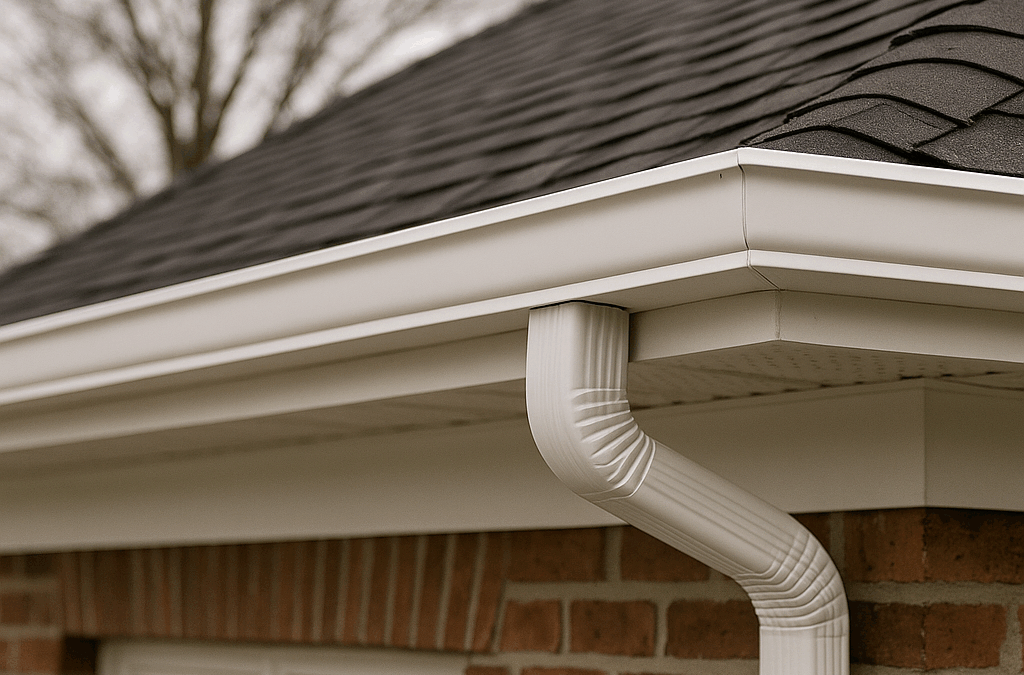
Memphis, Tennessee homeowners who take pride in maintaining their properties often focus attention on visible components like siding, roofing, and gutters while overlooking a less-discussed but critically important element of exterior protection—fascia wrap and trim metal. These aluminum or steel coverings applied over wood roofline components play a significant role in preventing water damage, reducing maintenance demands, and preserving the structural integrity of the roof edge system. Tiger Gutters recognizes that Memphis-area homeowners benefit from understanding what fascia wrap and trim metal actually are, why they matter in Memphis’s demanding climate, and how they function as part of a complete roofline protection strategy.
What Fascia Wrap and Trim Metal Are
Fascia wrap, sometimes called fascia capping or aluminum fascia capping, refers to the process of covering existing wood fascia boards with formed sheet metal—typically aluminum, though galvanized steel and other metals are sometimes used. Fascia boards are the horizontal boards running along the lower edge of the roofline, directly behind the gutters. They serve as the primary attachment surface for gutters, provide a finished visual appearance to the roof edge, and protect the ends of roof rafters from direct weather exposure.
Trim metal is a broader term describing metal cladding applied to various exterior wood components beyond just fascia boards. This includes rake boards running along the diagonal edges of gabled rooflines, window and door trim, corner boards, and other exterior wood elements vulnerable to moisture and weathering. When professionals refer to fascia wrap and trim metal together, they’re describing a comprehensive approach to covering exposed exterior wood with protective metal cladding.
The metal used for fascia wrap and trim is typically formed from aluminum coil stock in thicknesses ranging from .019 to .032 inches. Coil stock comes in a wide range of factory-applied colors, allowing the metal cladding to match or complement existing exterior color schemes. Skilled installers use specialized brake equipment to bend and form the flat coil into custom profiles matching the specific dimensions and contours of the wood components being covered. This custom forming ensures tight, accurate fits that maximize protection and maintain clean visual lines.
Why Memphis’s Climate Makes Fascia Wrap Especially Relevant
Memphis’s humid subtropical climate creates particularly demanding conditions for exposed exterior wood. The city receives approximately 54 inches of annual rainfall, making it one of the wetter cities in the mid-South. This substantial precipitation, combined with high ambient humidity, extended warm temperatures that accelerate biological activity, and the frequent cycles of wetting and drying that characterize Memphis weather, creates conditions where unprotected exterior wood deteriorates rapidly.
Fascia boards occupy a uniquely vulnerable position on any home. They sit directly behind gutters, receiving water spray from gutter overflow, water dripping from imperfect gutter seals, and moisture wicking from gutters during and after rainfall. When gutters overflow due to blockage or inadequate slope, fascia boards receive the full force of concentrated water running directly over and behind them. Memphis’s frequent heavy thunderstorms create repeated overflow events that test fascia protection. Wood subjected to this repeated heavy moisture exposure in Memphis’s warm climate develops rot, paint failure, and structural deterioration within years rather than decades.
Memphis’s heat and ultraviolet radiation also affect unprotected fascia significantly. Summer temperatures regularly exceeding 90 degrees Fahrenheit, combined with intense direct sunlight, cause paint on wood fascia to crack, peel, and fail. Once paint protection fails, wood becomes directly exposed to moisture, dramatically accelerating deterioration. The combination of Memphis’s heat, humidity, rainfall, and UV exposure creates a more challenging environment for exterior wood than milder climates, making protective metal cladding more valuable.
The Structural and Functional Role of Fascia Boards
Understanding why fascia protection matters requires understanding what fascia boards do. Structurally, fascia boards close off the ends of roof rafters at the roofline, providing a continuous horizontal surface that prevents moisture, pests, and debris from accessing the roof structure through open rafter ends. They provide the primary attachment surface for gutters—the hangers and spikes securing gutters are fastened through fascia boards into the rafter ends or subfascia framing behind them.
This structural role means that deteriorated fascia creates multiple serious problems. Rotted or weakened fascia loses its ability to hold gutter fasteners securely, causing gutters to pull away from the roofline and lose their correct pitch. Gaps created by deteriorated fascia allow moisture to access roof decking and framing, potentially leading to rot that extends far beyond the visible roofline area. Insect pests including carpenter ants and various wood-boring beetles find deteriorated wood particularly accessible, using fascia rot as an entry point to roof framing. Protecting fascia from moisture intrusion is therefore not just a cosmetic concern but a structural one directly affecting roofline integrity.
How Fascia Wrap Works as a Protective System
Properly installed fascia wrap functions as a waterproof barrier between exterior moisture and the wood fascia beneath. Aluminum cladding does not absorb moisture, does not rot, does not support mold or mildew growth, and does not require periodic painting. When correctly installed with appropriate overlaps, sealed edges, and integration with adjacent roofing and gutter components, fascia wrap effectively prevents water from reaching the wood surface it covers.
Installation technique significantly affects protection quality. Metal cladding must overlap adjacent components appropriately—fascia wrap should tuck under drip edge flashing at the top to prevent water entry behind the metal at the roof edge, and should overlap the top edge of gutters or integrate with gutter systems to prevent water intrusion at the lower edge. Corners require careful forming and sealing to prevent water entry at directional transitions. Inadequately sealed or improperly overlapped installations may appear protective while allowing water entry at specific vulnerable points.
The metal’s color-coated surface resists UV degradation significantly better than painted wood. Factory-applied coil coatings use formulations specifically engineered for exterior metal applications, providing color stability and surface protection that typically outlasts conventional exterior paint on wood substrates. This means fascia wrap, once properly installed, typically requires no ongoing maintenance beyond occasional cleaning, representing a meaningful reduction in exterior maintenance demands compared to painted wood fascia.
Trim Metal for Complete Roofline Protection
While fascia wrap addresses the horizontal board directly behind gutters, complete roofline protection often extends to additional components. Rake boards—the diagonal boards running along gable ends—experience similarly demanding moisture and UV exposure and benefit from metal cladding for the same reasons as fascia boards. Soffit trim and transition pieces connecting fascia wrap to soffit systems create watertight roofline enclosures when properly integrated.
Window and door trim capping extends protective metal coverage to other exterior wood elements, creating comprehensive moisture protection that significantly reduces overall exterior maintenance requirements. While these components aren’t part of the roof drainage system, they share the same vulnerability to Memphis’s demanding climate conditions and benefit from the same durable metal protection that fascia wrap provides.
Identifying When Fascia Needs Attention
Memphis homeowners can recognize fascia problems through several indicators. Visible paint peeling, discoloration, or soft spots in fascia boards suggest moisture intrusion requiring attention. Gutters pulling away from the roofline or sagging indicate potential fascia deterioration affecting fastener holding strength. Water staining on exterior walls below fascia locations suggests water is escaping behind or around gutters due to fascia-related issues. Dark staining, visible mold, or obvious wood softness when physically examined indicate active rot requiring prompt attention before damage progresses to roof framing.
Addressing fascia problems before installing fascia wrap is essential. Wrapping deteriorated wood in metal without correcting underlying rot simply conceals progressive damage while allowing it to continue. Proper installation requires assessing fascia condition, replacing any significantly deteriorated sections, and ensuring the wood substrate is sound before applying protective metal cladding.
Conclusion
Fascia wrap and trim metal represent a practical and durable approach to protecting one of the most vulnerable wood components on any Memphis, Tennessee home. Tiger Gutters understands that Memphis-area homeowners benefit from recognizing the role fascia boards play in roofline structural integrity, understanding how Memphis’s substantial rainfall, high humidity, intense heat, and UV exposure accelerate unprotected wood deterioration, and appreciating how properly installed metal cladding creates lasting protection that reduces maintenance demands while preserving the structural components essential to gutter system performance. For homes throughout Memphis, investing in understanding and protecting fascia represents a meaningful contribution to overall home preservation.