
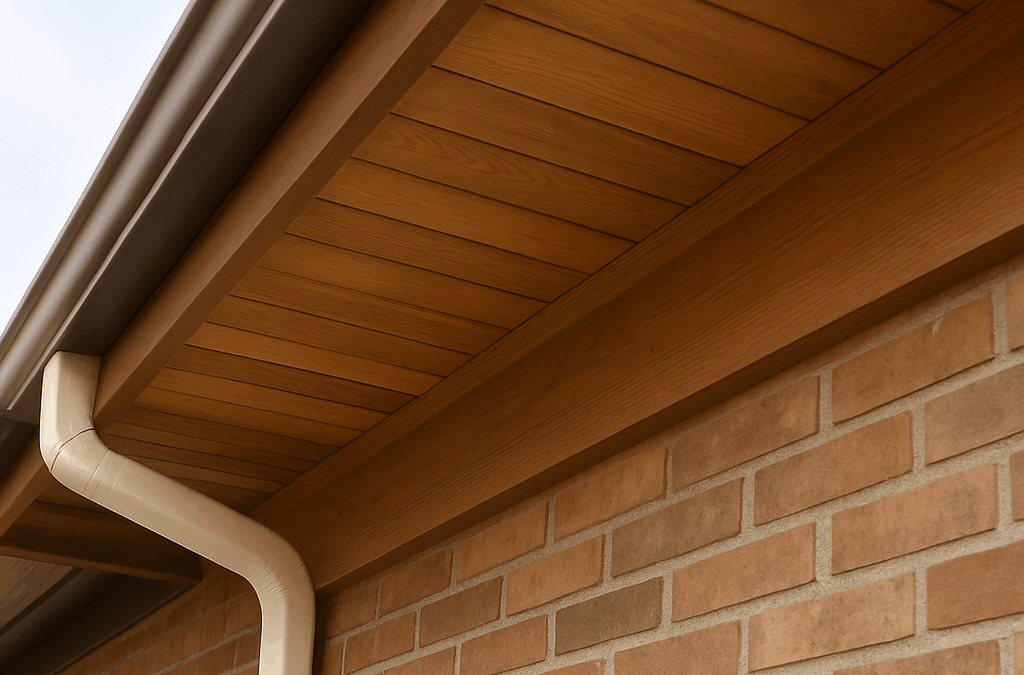
For homeowners in Memphis, Tennessee, maintaining the exterior of a home means paying attention to components that don’t always demand immediate notice—until the damage becomes serious. Wood soffit is one of those components. Tucked beneath the roof overhang and running along the underside of the eaves, wood soffit performs important protective and ventilation functions that directly influence the health of the roof system and the home beneath it. Tiger Gutters recognizes that Memphis-area homeowners benefit from a thorough understanding of wood soffit—what it is, why it deteriorates, what warning signs indicate repair or replacement is needed, and why Memphis’s specific climate makes attentive soffit maintenance particularly important.
What Wood Soffit Is and What It Does
Soffit refers to the material covering the underside of the roof overhang—the horizontal surface visible when standing near the exterior wall and looking upward toward the roofline. On homes built with wood soffit, this covering consists of wood panels, boards, or plywood sheets installed between the exterior wall and the fascia board at the outer roofline edge. The soffit encloses the eave space, providing a finished appearance to the roofline underside while performing several functional roles.
Ventilation is among the most important soffit functions. Vented soffit panels—wood soffit with perforations or vent strips installed—allow outside air to enter the attic space from below, creating the airflow necessary for proper attic ventilation. This ventilation prevents heat and moisture buildup in the attic that would otherwise cause condensation on roof decking, accelerate shingle deterioration, and contribute to ice dam formation in cold weather. In Memphis’s hot summers, adequate attic ventilation directly affects both roof longevity and household cooling efficiency.
Soffit also provides a physical barrier protecting the open eave space from animal and insect intrusion. Without soffit, the open rafters and roof decking edges of the eave would be accessible to birds, squirrels, bats, wasps, and other wildlife seeking shelter. Wood soffit in good condition keeps these pests out of the attic and roof structure, preventing the nest-related damage, insulation contamination, and structural deterioration that pest infestations cause.
Why Wood Soffit Deteriorates
Wood soffit occupies a position of significant weather exposure. Positioned on the underside of the roof overhang, it receives reflected moisture from the ground, moisture from wind-driven rain, and the chronic humidity that characterizes outdoor environments in most climates. Beyond weather exposure, wood soffit is particularly vulnerable to moisture from above—from the gutter and fascia system at the roofline edge.
When gutters overflow due to blockage or inadequate slope, water runs over the fascia and contacts the soffit behind it. This overflow moisture, combined with the humidity that naturally exists beneath roof overhangs in warm climates, creates ideal conditions for the fungal activity that causes wood rot. Once rot begins, it spreads through wood panels progressively, weakening the material structurally and eventually creating openings that allow pest access, moisture infiltration into the attic, and visible deterioration from the exterior.
Memphis’s humid subtropical climate intensifies all of the deterioration mechanisms affecting wood soffit. The city’s warm temperatures support biological activity—wood-decaying fungi, mold, and mildew—throughout most of the year. High ambient humidity means moisture that contacts wood soffit evaporates slowly, maintaining elevated wood moisture content for extended periods that support sustained biological growth. Memphis’s frequent heavy rainfall provides repeated moisture loading, and the city’s intense summer heat and UV radiation degrade exterior paint and surface treatments that would otherwise provide some protective benefit to wood surfaces.
Pest damage adds another deterioration pathway unique to certain climates. Memphis’s warm environment supports carpenter bee and carpenter ant activity. Carpenter bees bore circular holes in wood soffit panels to create nesting galleries, while carpenter ants excavate softened or rotting wood to establish colonies. Both activities accelerate structural deterioration and create openings that allow additional moisture and pest intrusion.
Warning Signs That Wood Soffit Needs Attention
Visible Discoloration and Staining: Dark staining, water marks, or green algae growth on soffit surfaces indicates chronic moisture exposure. While surface staining alone doesn’t necessarily indicate structural rot, it signals moisture conditions that will lead to deterioration if unaddressed.
Paint Failure: Bubbling, peeling, or flaking paint on wood soffit indicates moisture is reaching the wood surface and breaking the paint film’s adhesion from below. Paint failure accelerates moisture exposure, and the underlying wood condition warrants inspection when paint deterioration becomes visible.
Soft or Spongy Texture: Wood soffit that feels soft, gives slightly when pressed, or shows visible surface depression indicates active rot has compromised structural integrity. This condition requires prompt attention, as soft wood deteriorates progressively and provides inadequate structural support and pest exclusion.
Visible Holes or Gaps: Openings in soffit panels, whether from pest activity, physical damage, or structural failure, create immediate pest entry points and moisture infiltration pathways. Even small gaps at soffit edges or panel joints merit inspection to assess their extent and cause.
Pest Activity: Wasps, bees, or birds repeatedly investigating or accessing the eave area may indicate soffit openings or weaknesses providing entry. Evidence of nesting activity, droppings concentrated below specific eave locations, or audible activity within the eave space suggests pest access through soffit that warrants investigation.
Repair Versus Replacement Decisions
The scope of wood soffit work required depends on the extent and location of deterioration. Localized damage—a single rotted panel or a limited area of pest damage—may be addressable through targeted repair involving removal of the damaged section and installation of new material. Extensive deterioration affecting multiple sections, soffit that has experienced repeated moisture damage without resolution of the underlying cause, or systems where original installation quality creates recurring problems often warrants comprehensive replacement rather than repeated localized repairs.
Before any repair or replacement, identifying and addressing the moisture source causing deterioration is essential. Replacing deteriorated soffit without correcting gutter overflow, fascia moisture problems, or inadequate ventilation simply exposes new material to the same conditions that destroyed the original—an outcome that repeats the expense without delivering lasting improvement.
Material Considerations for Replacement
When wood soffit reaches the end of its service life through deterioration, homeowners sometimes consider alternative materials offering greater moisture resistance. Aluminum and vinyl soffit products are designed to resist the moisture-related deterioration pathways that affect wood, requiring less ongoing maintenance while providing the same ventilation and pest exclusion functions. These alternatives are worth understanding when replacement decisions arise, as material choice affects both long-term maintenance requirements and the system’s performance in Memphis’s demanding climate.
Conclusion
Wood soffit repair and replacement represent important maintenance considerations for homeowners throughout Memphis, Tennessee, where the combination of substantial annual rainfall, high ambient humidity, warm temperatures supporting biological activity, and active pest populations creates particularly demanding conditions for exterior wood components. Tiger Gutters understands that Memphis-area homeowners benefit from recognizing the critical functions wood soffit performs, understanding the deterioration mechanisms that Memphis’s climate accelerates, and knowing the warning signs that indicate soffit condition warrants professional evaluation. Addressing soffit problems promptly—and resolving the underlying moisture sources that cause them—protects not just the soffit itself but the attic space, roof structure, and interior environment of the home above.