
For homeowners throughout Memphis, Tennessee, maintaining a functional drainage system during cold-weather months often falls to the bottom of the priority list. Tiger Gutters serves the Memphis community with a commitment to homeowner education, helping residents understand how winter conditions in the Mid-South create specific challenges for residential water management systems.
The Critical Nature of Cold-Weather Gutter Maintenance
Memphis experiences a distinctive winter climate that differs significantly from regions further north. While heavy snowfall remains relatively uncommon, the combination of rain, occasional ice, and temperature fluctuations creates unique challenges for home drainage systems. Understanding these conditions helps property owners make informed decisions about seasonal maintenance schedules.
Water management systems function by collecting precipitation from roofing surfaces and directing it away from structural foundations. This simple mechanism protects multiple home components simultaneously. When these channels become obstructed, water seeks alternative paths, often causing damage to materials never intended for prolonged moisture exposure.
Understanding Winter-Specific Risks
Cold temperatures introduce complications that don’t exist during warmer seasons. Water trapped within obstructed channels undergoes physical changes when temperatures drop below thirty-two degrees. The expansion that occurs during freezing creates forces capable of damaging metal, plastic, and wood components.
Memphis typically experiences multiple freeze-thaw cycles throughout winter months. Daytime temperatures might reach the upper forties or low fifties, causing accumulated ice to melt. Overnight lows then drop into the twenties, refreezing any standing water. This repetitive cycle accelerates wear on all affected materials.
Blocked channels cannot accommodate the volume of water produced when winter precipitation arrives. Even moderate rainfall overwhelms obstructed systems, forcing water to overflow edges and cascade down exterior walls. This overflow saturates materials like wood siding, trim boards, and foundation perimeters.
Foundation Concerns Specific to Memphis Soil
The Memphis area sits atop soil compositions that respond dramatically to moisture changes. Clay-rich soils expand when saturated and contract during dry periods. Winter introduces an additional variable—freezing temperatures that cause water-saturated soil to expand even further.
When drainage systems fail to direct water away from foundations, that water accumulates in the surrounding soil. As temperatures drop, this saturated soil freezes and expands, exerting lateral pressure against foundation walls. Concrete and masonry materials develop cracks under sustained pressure, creating pathways for water infiltration into basements and crawl spaces.
The damage often compounds over multiple winter seasons. Small cracks widen as freeze-thaw cycles repeat. What begins as hairline foundation cracks can progress to structural concerns requiring extensive repairs.
Roof and Attic Vulnerability
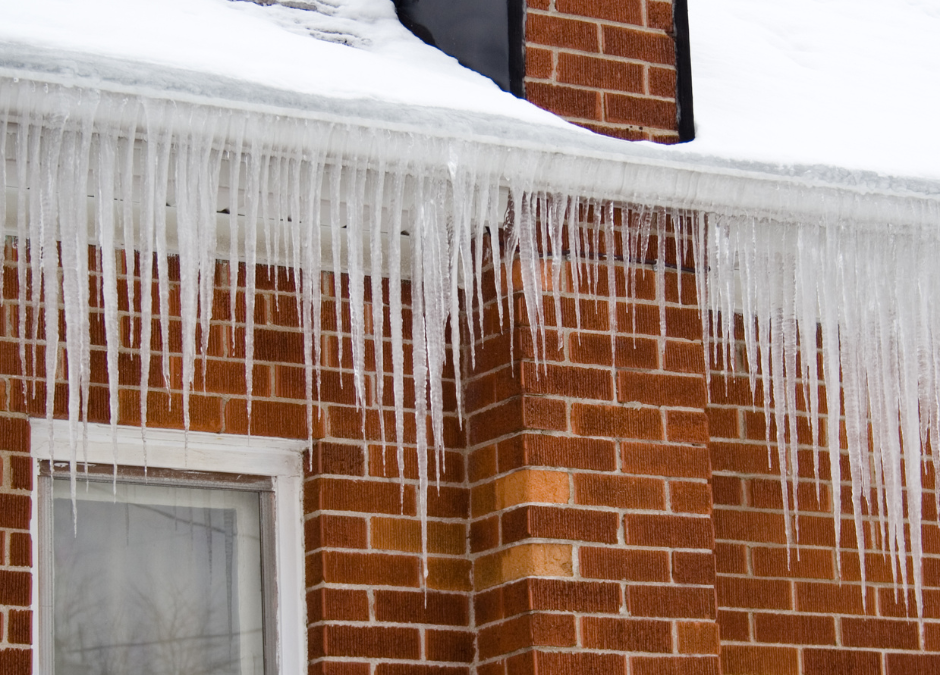
Obstructed drainage channels create conditions conducive to ice dam formation along roof edges. When attic heat escapes through inadequate insulation, it warms the roof surface enough to melt accumulated snow. This meltwater flows downward until reaching the colder roof edge, where it refreezes within blocked channels.
As this process repeats, ice accumulations grow, eventually creating dams that prevent proper drainage. Water backs up behind these ice formations, working its way beneath shingle layers. Once water penetrates past exterior roofing materials, it contacts underlying wood decking, where it can cause rot and structural deterioration.
Interior damage often follows roof penetration. Water drips onto insulation, reducing its effectiveness and creating conditions favorable for mold growth. Ceiling materials absorb moisture, leading to staining, sagging, and eventual replacement needs.
Wood Component Deterioration
Residential construction relies heavily on wood framing, trim, and finishing materials. While these components tolerate occasional wetting from rain, they cannot withstand constant moisture exposure. Overflowing drainage systems subject fascia boards, soffit panels, and window trim to prolonged dampness.
Wood rot fungi require three conditions: moisture, moderate temperatures, and organic material. Constantly damp wood provides all three requirements. Once fungal colonization begins, decay progresses rapidly through affected lumber. Rotted structural components lose load-bearing capacity, requiring replacement rather than simple repair.
The visual appearance of water-damaged wood trim also affects property values. Peeling paint, warped boards, and visible rot create negative impressions for potential buyers and reduce overall curb appeal.
Memphis-Specific Weather Patterns
Mid-South weather patterns create particularly challenging conditions for drainage system maintenance. The region receives precipitation throughout winter months, unlike northern areas where most winter precipitation falls as snow and remains frozen until spring.
Winter rainfall in Memphis can be substantial, with individual storm systems dropping several inches within short periods. When these rain events occur during or immediately before temperature drops, conditions become ideal for ice formation within obstructed channels.
Local vegetation also affects maintenance timing. Many tree species common throughout Memphis retain foliage well into December. Oak varieties, magnolias, and other hardwoods continue dropping leaves long after homeowners complete autumn cleaning efforts. This late-season debris accumulation creates blockages just before winter weather arrives.
Pest Issues Related to Blocked Systems
Accumulated organic debris within drainage channels creates habitat attractive to various animal species seeking winter shelter. Damp leaves and twigs provide insulation and protection from wind and precipitation.
Squirrels commonly establish nesting sites within debris-filled channels or use them as pathways to access attic spaces through ventilation openings. Rodents like rats and mice also exploit these protected spaces, potentially gaining entry to interior home areas.
Bird species including starlings, sparrows, and house finches build nests in channel corners and downspout entries. These nests obstruct water flow even after other debris is removed, often remaining hidden until blockage symptoms appear.
Insect populations also thrive in damp, organic-rich environments. Carpenter ants and termites target moisture-damaged wood, while mosquitoes breed in standing water. These pest issues extend beyond simple nuisance, potentially causing additional structural damage and health concerns.
Preventative Maintenance Approaches
Property owners can take several practical steps to maintain functional drainage systems throughout winter months. Regular inspection represents the most important preventative measure. Walking the home perimeter after significant weather events reveals obvious problems before they cause serious damage.
Visual signs of drainage problems include water staining on siding below channel edges, ice formations hanging from channel fronts, and sagging sections pulling away from fascia mounting. Ground-level indicators include erosion patterns near foundations and standing water around the home perimeter.
Timing maintenance efforts appropriately proves crucial in Memphis. Late November through early December typically represents the optimal window—after most deciduous trees have dropped foliage but before consistent freezing temperatures arrive.
Downspout functionality requires equal attention to channel cleaning. Blockages within vertical downspout sections prevent water escape even when horizontal channels remain clear. Testing involves running water from hoses into channels and verifying proper flow at ground-level discharge points.
Safety Considerations for Winter Work
Cold-weather maintenance work introduces hazards that don’t exist during warmer seasons. Ladder stability decreases on frozen or muddy ground. Icy rungs create slipping hazards. Cold temperatures affect manual dexterity and reaction times, increasing accident risk.
Appropriate safety equipment becomes essential for winter work. Heavy-duty gloves protect hands from both cold temperatures and sharp metal edges. Footwear with aggressive tread patterns provides better traction on ladder rungs. Ladder stabilizers prevent rung pressure from damaging channel edges while improving stability.
Weather conditions should always factor into maintenance timing decisions. Gusty winds make ladder work dangerous regardless of temperature. Wet or icy conditions multiply fall risks. When conditions appear marginal, postponing work until safer weather arrives represents the prudent choice.
Professional service providers maintain equipment and training specifically for cold-weather work. Commercial ladders often feature specialized stabilization systems and safety features unavailable on consumer models. Technicians receive training in cold-weather work procedures and hazard recognition.
Long-Term System Preservation
Regular maintenance extends drainage system lifespan significantly. Aluminum and steel systems can function for thirty years or more when properly maintained, while neglected systems may require replacement within ten to fifteen years.
Removing accumulated debris prevents weight-related stress on mounting hardware and fascia boards. Ice and water-saturated leaves create static loads far exceeding design specifications. Mounting brackets pull away from fascia boards, seams separate, and channel sections bend or break under excess weight.
Corrosion also accelerates when debris remains in contact with metal surfaces. Damp organic material creates acidic conditions that attack protective coatings and underlying metal. Regular cleaning removes corrosive materials before significant damage occurs.
Paint and coating systems protect wood and metal components from moisture and ultraviolet damage. Overflow water degrades these protective layers, exposing vulnerable materials. Maintaining proper drainage preserves protective coatings and extends their service life.
Conclusion
Memphis homeowners face unique winter maintenance challenges due to regional climate patterns, soil composition, and vegetation types. Tiger Gutters encourages property owners throughout the Memphis area to prioritize drainage system maintenance as part of comprehensive winter home care. Understanding how local conditions affect home water management helps residents protect their most significant financial investment while avoiding preventable repair expenses. Through education and awareness, homeowners can make informed decisions about seasonal maintenance timing and methods, ensuring their properties remain protected throughout winter months and beyond.