
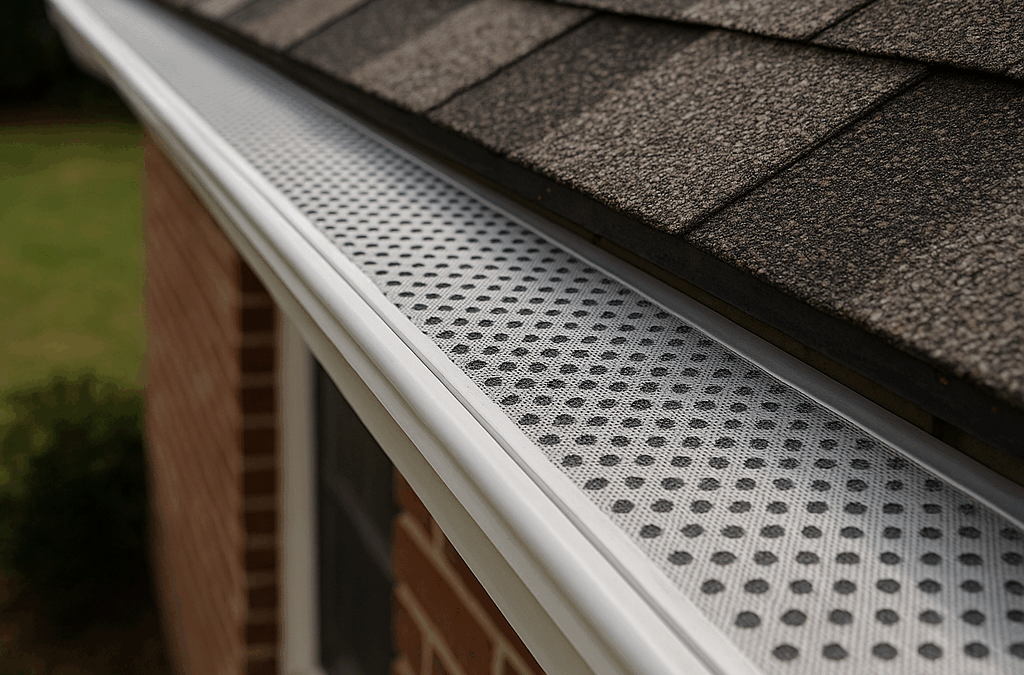
In regions like Memphis, Tennessee, where unpredictable weather and seasonal downpours are the norm, homeowners often seek ways to protect their homes from water-related issues. One topic that comes up frequently is gutter guards. These devices are intended to help manage the flow of rainwater while reducing the accumulation of debris in gutter systems. Tiger Gutters, located in Memphis, TN, values the importance of providing homeowners with reliable and practical information. In this post, we’ll explore what gutter guards are, the different types available, how they function, and key points to consider if you’re researching them as part of your home maintenance strategy.
What Are Gutter Guards? Gutter guards are barriers or inserts designed to be placed over or inside your gutters. Their main purpose is to limit the entry of leaves, pine needles, and other outdoor debris while still allowing water to pass through the system. Though not a completely maintenance-free solution, they can help reduce the frequency of cleaning and help manage water flow during storms.
How Do Gutter Guards Function? These systems operate by covering the gutter opening or sitting within the gutter channel to keep out large and small debris. The idea is to create a filter or shield that lets water in while keeping other materials out. This reduces the risk of clogs that can cause gutters to overflow or drain improperly.
Common Types of Gutter Guards There are several varieties of gutter guards on the market, each with specific design features and performance characteristics:
- Screen Guards
- Constructed from metal or plastic with large holes.
- Designed to block bigger debris like leaves and twigs.
- Typically easy to install and remove.
- Micro-Mesh Guards
- Made from fine mesh material, often stainless steel.
- Effective at keeping out smaller particles like seeds and grit.
- Usually requires professional fitting.
- Surface Tension (Reverse Curve) Guards
- Water follows a curved surface into the gutter while debris is guided over the edge.
- Helps direct the flow of rain effectively during storms.
- Precise installation is key for proper performance.
- Brush Guards
- Filled with stiff bristles that trap debris while water flows underneath.
- Simple to place and remove for seasonal maintenance.
- Foam Inserts
- Shaped to fit inside gutters and made from porous material.
- Allows rainwater to flow through while blocking debris.
- Can deteriorate over time due to exposure.
Benefits and Limitations
Advantages:
- Less Frequent Cleaning: Reduces the buildup of common debris.
- Deters Pests: Makes it harder for birds or rodents to nest in gutters.
- Supports Proper Drainage: Helps maintain steady water flow.
- Protects Home Exterior: Less overflow can mean less chance of water-related damage to siding or foundations.
Drawbacks:
- Initial Expense: Some models can be costly to purchase and install.
- Not Maintenance-Free: Some debris may still collect on top or around the guards.
- Varied Effectiveness: Some systems may perform better than others depending on the environment and gutter style.
What to Think About Before Adding Gutter Guards
- Type of Roof: Certain guard systems work better with specific roof slopes or materials.
- Local Environment: Memphis has lots of deciduous trees and experiences frequent rainfall, which can influence which guard type is most effective.
- Gutter Size and Shape: Compatibility is important to ensure a secure fit.
- Budget Constraints: Costs can differ significantly between different designs.
- Ease of Upkeep: Some types are easier to remove and clean than others.
Installation Notes While some types of gutter guards are marketed for DIY installation, improper placement can lead to issues like water overshooting the gutters or damaging the fascia board. It’s important to follow manufacturer guidelines carefully or seek insights from local experts to make informed decisions.
Why Memphis Weather Matters With Memphis experiencing heavy rains, falling leaves, and occasional ice, the role of gutter guards becomes more significant. Selecting a system that can perform reliably through seasonal changes helps manage excess water and prevents clog-related problems.
Conclusion Gutter guards are a valuable consideration for homeowners looking to enhance their gutter system’s efficiency and reduce routine maintenance. Understanding the different types and their functions can help you make a more informed choice. In Memphis, where changing weather patterns present unique challenges, staying educated on home drainage solutions is essential. Tiger Gutters is committed to sharing helpful knowledge so local homeowners can better protect and preserve their properties.