
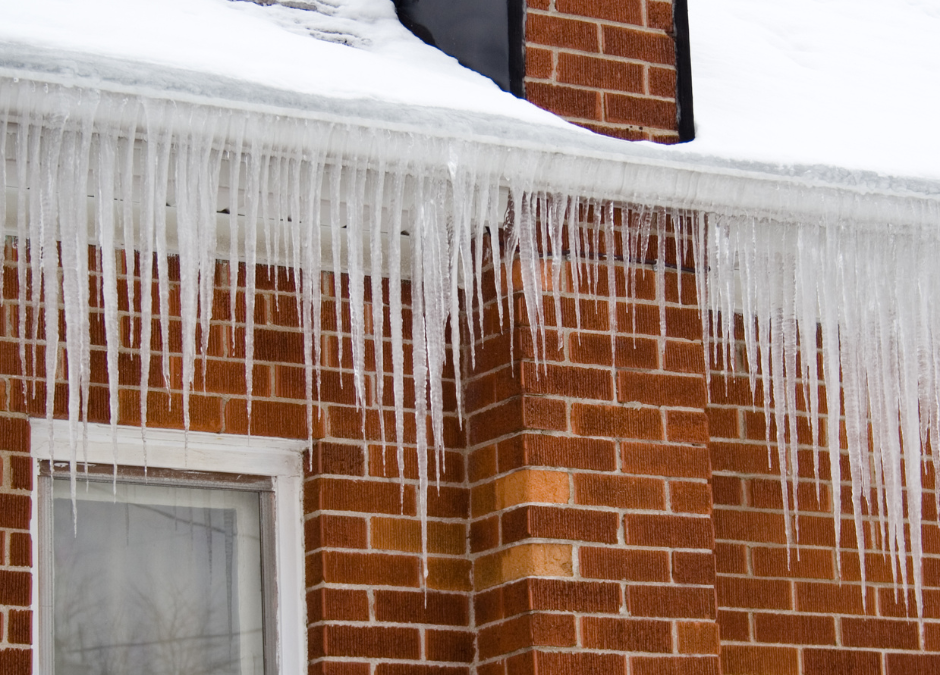
The first frosty mornings of the season can make a Memphis roofline look very different. A pale coating may cover the roof, gutter, and downspout before disappearing soon after sunrise. Elsewhere, a thicker patch may linger near a shaded corner or beneath a pile of damp leaves.
Frost is a weather event, not a diagnosis. Its location and timing can still give homeowners useful clues about temperature, moisture, debris, and drainage around the gutter system.
How Frost Forms on a Gutter
Frost develops when an exposed surface becomes cold enough for water vapor to turn directly into ice crystals. The metal does not have to contain water for frost to appear on its exterior. Under clear skies with light wind, a gutter can lose heat overnight and become colder than the surrounding air.
This is why a thin, even coating may appear on gutters, vehicles, grass, and rooftops at the same time. Widespread frost after a cold, calm night is consistent with normal weather behavior and does not show that the gutter is leaking.
Memphis homes also warm unevenly after sunrise. A south- or east-facing run may clear first, while a shaded north-facing section remains white longer. Trees, nearby buildings, roof shape, and surface color can all affect how quickly different areas warm.
Thin Surface Frost and Frozen Water Are Different
A light coating on the outside of a gutter is different from water freezing inside the channel or downspout. Exterior frost may disappear without producing a visible drip. Frozen standing water is usually thicker and more concentrated in a low area, outlet, or debris-filled section.
The distinction matters because ice inside the drainage path suggests that liquid water was present before temperatures fell. Possible sources include recent rain, melting roof frost, wet organic debris, or water that did not leave the channel completely. The appearance alone cannot identify which condition is responsible.
Homeowners can compare the area before and after thawing. If a small patch clears with the rest of the roofline, it may simply reflect shade. If the same location repeatedly holds water after rain and then freezes on cold mornings, the pattern provides a more specific clue.
Why Debris Changes the Frost Pattern
Leaves, pine needles, seed pods, and decomposed material can retain moisture after the visible roof surface dries. On a cold night, that damp material may freeze into a compact layer. A dark pile that becomes a rigid mass by morning can restrict the route water takes toward an outlet.
Debris may also create an uneven pattern along a gutter. Frost can last longer where wet material keeps the metal cool or blocks sunlight from reaching the surface. That does not mean every frosted patch represents a clog, but repeated frost above the same buildup is worth noting.
Gutter and downspout cleaning addresses material inside the drainage route. It does not change the weather conditions that create ordinary surface frost, and it is not an explanation for every icy area.
What Repeated Freeze-and-Thaw Cycles May Show
Memphis temperatures can move above and below freezing over a short period. Water may melt during the day, travel to another section, and freeze again overnight. This sequence can produce icicles or a thicker band of ice even when no precipitation falls during the second night.
The location of the ice can help organize observations. Ice concentrated at an outlet may point to slow movement near the downspout. A frozen line along the front lip may follow earlier overflow. Ice behind the gutter follows a different path and may involve roof-edge flow rather than water traveling over the front.
None of these patterns proves a single cause. Roof valleys, wind, shade, debris, gutter position, and the intensity of the earlier rain can all influence where water travels.
Observe the Roofline Without Climbing
Cold mornings are a poor time to approach a roof edge. Frost can make roofs, ladders, decks, and pavement slick even when the ground looks mostly dry. Ice may also release unexpectedly as sunlight reaches the gutter.
Use a phone camera with zoom or binoculars from a clear ground-level location. Note the time, overnight weather, shaded areas, and whether the frost is widespread or limited to one point. A second photo after the temperature rises can show what disappeared and what remained.
During the next rain, observe from a sheltered place. Look for water crossing the front edge, traveling behind the gutter, or slowing near a downspout connection. A record from several weather conditions is more informative than one frosty morning.
Reading Memphis Gutter Frost in Context
An even coating that clears as the roofline warms is usually consistent with normal frost. A recurring frozen patch that aligns with standing water, damp debris, or overflow deserves a different interpretation. The useful information comes from the pattern: where moisture appears, when it freezes, how it thaws, and whether it returns after rain.
For Memphis homeowners, the first frost is best treated as an opportunity to observe rather than proof that something is wrong. Comparing dry, rainy, frosty, and thawing conditions can help distinguish a temporary weather effect from a repeated drainage pattern.